
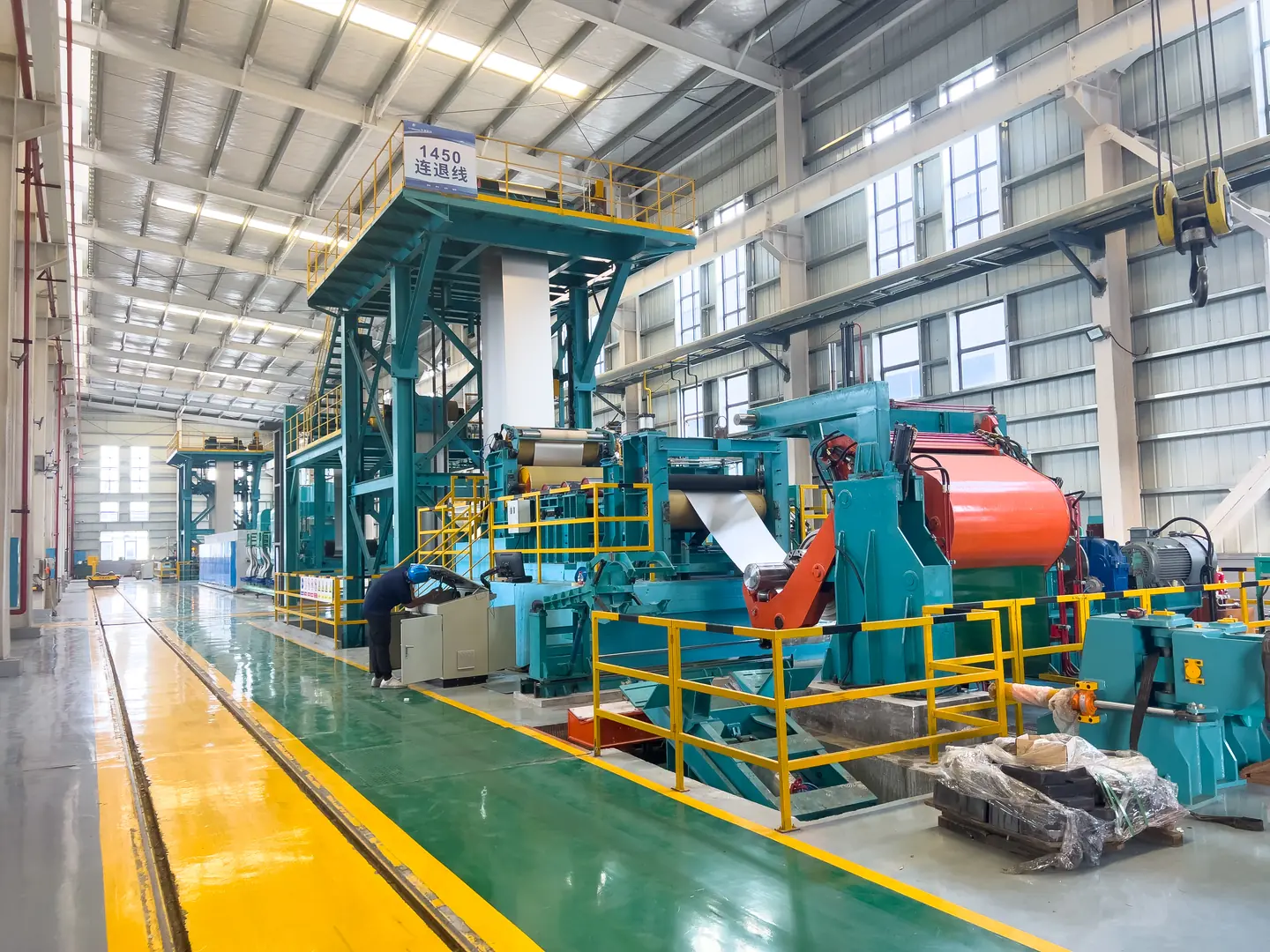
Struggling with surface oxidation and inconsistent quality in your metal processing? These defects hurt your bottom line and reputation. An inert atmosphere furnace[^1] is the key to solving this.
Yes, achieving over 99% product quality in metals processing is entirely possible with the right equipment. An inert atmosphere furnace prevents oxidation by creating a controlled environment with extremely low oxygen levels, often below 10ppm. This precision ensures a superior, uniform surface finish, directly boosting product qualification rates.

As a manufacturer, I know that hitting that 99% quality mark is a sign of true operational excellence. It separates the leaders from the rest. The furnace is the heart of this process. So, in my experience, the key is not just having an inert atmosphere furnace, but having the right one. Let's dive deeper into how this technology works and how you can leverage it to overcome your biggest production challenges.
What is the Role of an Inert Atmosphere in Metal Processing?
Are your metal products suffering from discoloration and surface defects after heat treatment? This leads to costly rework and wasted material. An inert atmosphere acts as a protective shield to prevent this.
An inert atmosphere's primary role is to displace oxygen during the high-temperature annealing process. By using gases like nitrogen and hydrogen, it prevents oxidation, scaling, and decarburization. This preserves the metal's surface integrity and mechanical properties, which is essential for high-quality finished products.

Let's break this down further. When you heat metal in the presence of regular air, a chemical reaction occurs.
The Enemy: Oxygen
At high temperatures, oxygen is aggressive. It reacts with the surface of the metal, creating an oxide layer. For stainless steel, this can compromise its corrosion resistance. For copper, it results in discoloration. This is a fundamental problem that compromises the value of your product before it even gets to the next stage. A product with a poor surface finish is often a rejected product. That’s why controlling the atmosphere is not just a feature; it’s a core requirement for quality.
The Solution: A Protective Blanket
An inert atmosphere furnace, like our AKS Печь для отжига, creates a protective blanket around the metal. We do this by continuously purging the heating chamber with a precisely controlled mixture of inert gases. My team has engineered our systems to maintain an incredibly pure atmosphere with oxygen content below 10 parts per million (ppm). This is a level so low that oxidation simply cannot occur, guaranteeing a bright, clean, and consistent surface finish on every coil, every time.
What are the Current Advancements in Inert Atmosphere Furnace Technology?
Are your old furnaces driving up your energy bills while delivering inconsistent results? This inefficiency directly eats into your profit margins. Modern furnace technology, however, delivers both superior performance and significant savings.
Current advancements focus on two key areas: precision control and energy efficiency. Technologies like advanced fuel/air ratio controls, dual-layer heat recovery systems, and real-time atmosphere monitoring allow for tighter temperature uniformity (like our ±3℃) and significantly lower gas consumption.

At AKS, we've built our company on pushing these advancements forward. It's not enough for a furnace to just get hot; it needs to be smart, stable, and efficient.
Innovation 1: Advanced Heat Recovery
Energy is one of the biggest operational costs in metal processing. We tackled this head-on with a dual-layer heat recovery system. This system captures waste heat from the furnace exhaust and uses it to preheat the combustion air. This simple but powerful innovation means our furnaces use 10-17% less gas than competing models, which can translate into energy cost savings of 20-40% for our clients.
Innovation 2: Unwavering Stability
Technology must be reliable. We designed our furnaces for stable, 24/7 operation with a proven uptime of over 98%. This stability is built on robust components and smart design, allowing for maintenance intervals of 180 days or more. This means more production hours and less costly downtime.
| Характеристика | Old Technology | Печная технология AKS |
|---|---|---|
| Energy Use | High, no heat recovery | 10-17% less gas consumption |
| Temp. Control | ±10℃ or worse | Stable within ±3℃ |
| Атмосфера | Prone to leaks, >50ppm O2 | Tightly sealed, <10ppm O2 |
| Время работы | Frequent maintenance | >98% uptime, ≥180 day interval |
What Challenges are Faced in Maintaining High Quality During Metal Processing?
Do you feel like you're constantly fighting defects and production stops? Inconsistent heating and atmospheric leaks can sabotage your quality goals, leading to frustration and financial loss. Identifying these challenges is the first step.
The most common challenges are temperature non-uniformity, which causes inconsistent material properties, and atmospheric impurity from leaks, which leads to surface oxidation. Frequent equipment downtime and the inability of standard furnaces to meet specific process requirements also severely impact quality.
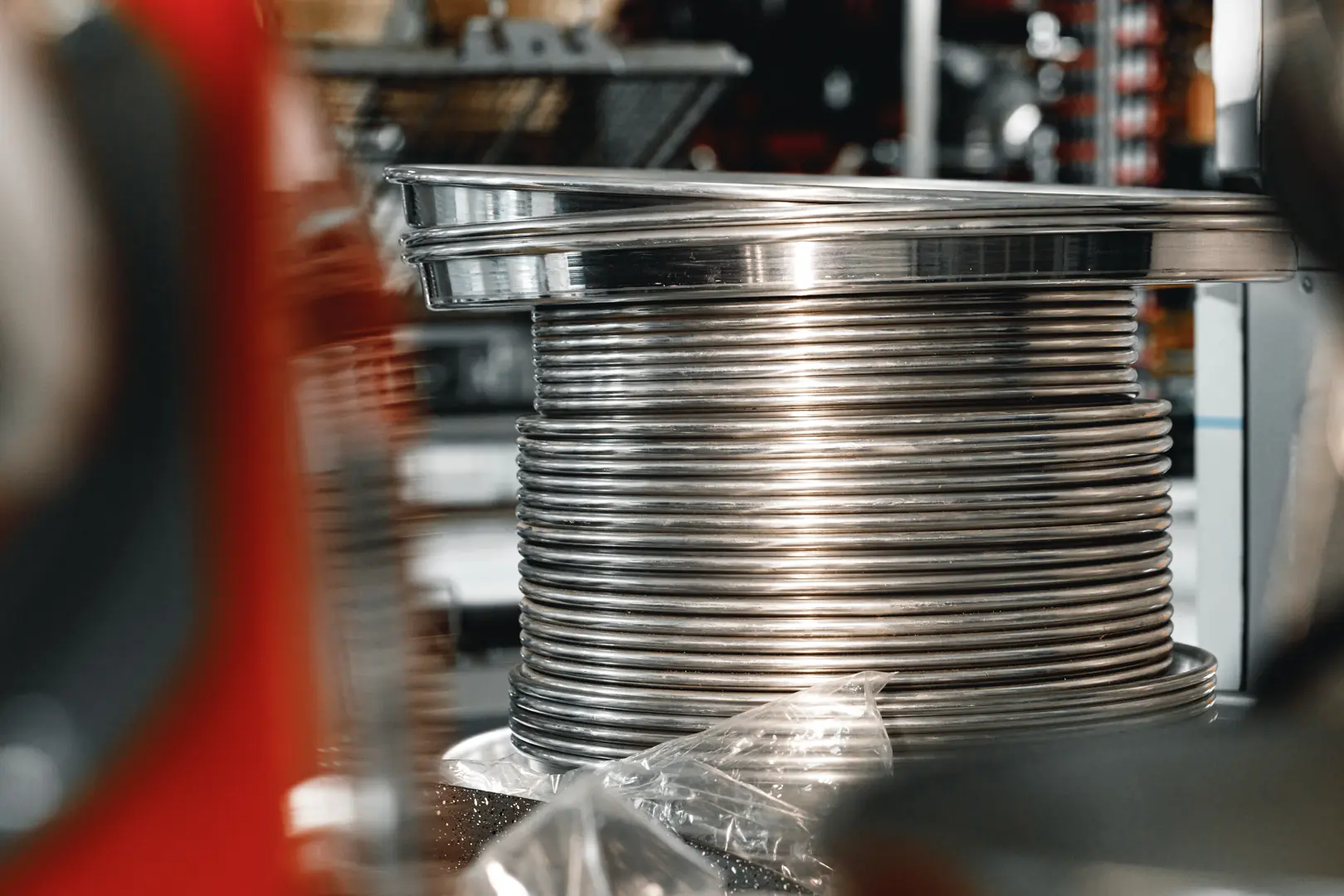
I speak with plant managers every week, and these are the problems that keep them up at night. They are not just technical issues; they are business issues.
The Temperature Problem
Inconsistent temperature across the metal strip is a major source of quality rejection. If one part of the coil is a few degrees hotter or cooler than another, you get uneven grain structures and mechanical properties. Our furnaces solve this by maintaining temperature uniformity within a tight ±3℃ window. This precision ensures that the entire product meets specification.
The Uptime Problem
You can't produce a quality product if your line is always down. Frequent, unplanned maintenance stops production and disrupts the process stability needed for consistent quality. We designed our furnaces for the real world, with a target of over 98% uptime. This reliability is a cornerstone of achieving a >99% product qualification rate. [Insert anecdote about a client's success in reducing defects] This client was able to slash their defect rate simply because our furnace provided the stability their old equipment could not.
The Customization Problem
One size does not fit all. A furnace designed for heavy-gauge stainless steel is not optimal for thin brass strips. Using the wrong equipment is a common cause of quality issues. That’s why over 70% of the furnaces we build are customized to our client's specific needs.
What are Strategic Approaches to Overcoming Processing Challenges?
You know the challenges, but the solutions seem complex or expensive. Patching old systems feels like a losing battle. The right strategic investment in modern technology provides a clear, profitable path forward.
The most effective strategy is to invest in modern, high-performance equipment. Prioritize furnaces with proven data on energy efficiency, precise temperature and atmosphere control, and high reliability. Customizing a solution to your specific material and process needs is also a key strategic move.

As a General Manager, I encourage leaders to look beyond the initial price tag and focus on the bigger picture.
Focus on Total Cost of Ownership (TCO)
A cheaper furnace that wastes energy and produces 5% scrap is far more expensive in the long run. The real ROI comes from operational savings. When a furnace can reduce your energy costs by 20-40% and boost your product qualification rate to over 99%, it pays for itself. This is how you build a sustainable, profitable operation.
Embrace Customization
Your process is unique. Your equipment should be too. Instead of trying to adapt your process to a standard furnace, find a partner who will adapt the furnace to your process. Whether you work with 201 or 304 stainless, copper, brass, or aluminum, a customized solution will always deliver better quality and efficiency. This is a core part of our philosophy at AKS.
Prioritize Data-Driven Performance
Don't settle for vague promises. Demand hard data. When evaluating new equipment, ask for the numbers: What is the temperature uniformity? What is the guaranteed oxygen level? What is the proven uptime? A reliable partner will provide clear metrics like ±3℃, <10ppm O2, and >98% uptime. This data is your assurance of predictable, high-quality production.
What are Technical Recommendations for Optimizing Inert Atmosphere Furnace Operation?
You have a good furnace, but are you getting the most out of it? Even the best equipment can underperform if not operated correctly. A few key technical checks can maximize your quality and efficiency.
To optimize your furnace, regularly calibrate temperature and gas sensors to ensure accuracy. Inspect all furnace seals and gaskets to prevent atmospheric leaks. Finally, develop and follow a strict preventative maintenance schedule to ensure consistent, long-term performance.
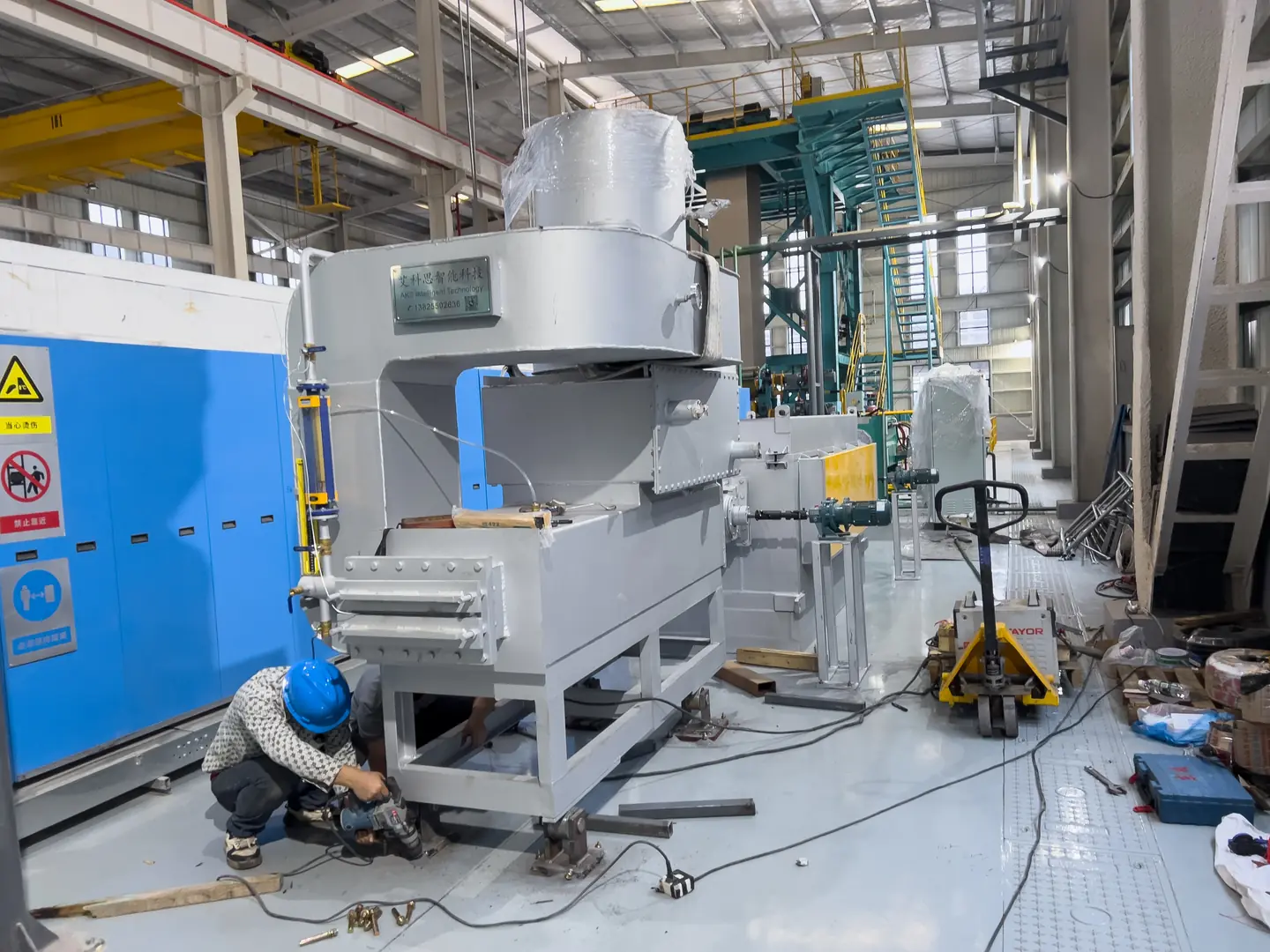
My technical team works closely with our clients to ensure they get peak performance from day one. Here are some of the key recommendations we always provide.
Master Your Atmosphere
The inert atmosphere is your primary quality tool. You must protect it.
- Monitor Oxygen Levels: Use a reliable oxygen analyzer to ensure your levels stay below the required threshold (e.g., <10ppm).
- Check for Leaks: Regularly inspect door seals, sensor ports, and any other potential entry points for air. A small leak can ruin an entire batch.
- Optimize Gas Flow: Work with your furnace provider to determine the ideal flow rate for your process. Using too much gas is wasteful, but using too little can compromise quality.
Dial in Your Temperature Profile
Temperature is the other half of the quality equation.
- Profile Each Product: Different alloys and thicknesses require different heating and cooling cycles. Create and save specific temperature profiles for each product you run.
- Calibrate Thermocouples: Temperature sensors can drift over time. Regular calibration is essential for maintaining that critical ±3℃ uniformity.
- Verify with Data: Use data logging to confirm that your furnace is accurately following the set temperature profile during a production run.
| Maintenance Check | Частота | Назначение |
|---|---|---|
| Inspect Door Seals | Daily | Prevent oxygen leaks |
| Calibrate O2 Sensor | Еженедельник | Ensure accurate atmosphere control |
| Calibrate Thermocouples | Ежемесячно | Guarantee temperature uniformity |
| Full System Inspection | Per Schedule (e.g., 180 days) | Prevent unplanned downtime |
Заключение
Achieving a product qualification rate over 99% is not a distant dream; it's a practical goal. It hinges on controlling your heat treatment process with precision. Modern inert atmosphere furnaces, like ours at AKS, provide the exact temperature and atmosphere control needed to eliminate oxidation and ensure consistency.
 Русский
  English