
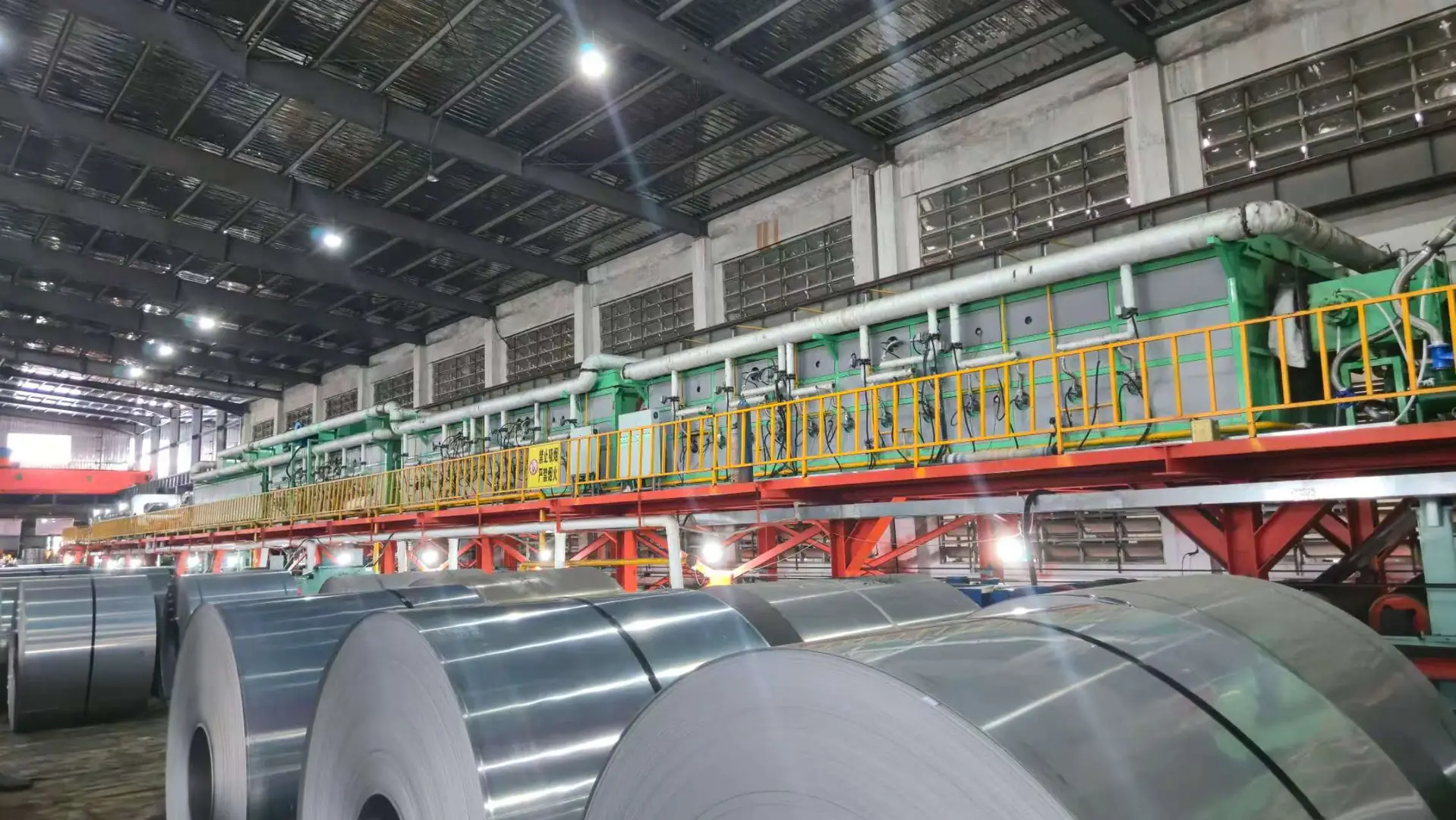
Struggling with high energy costs and inconsistent quality in non-ferrous metal production? You're not alone. Our яркий отжиг[^1] technology offers a direct solution to boost efficiency and product finish.
Bright annealing boosts non-ferrous metal production by using a controlled atmosphere to prevent oxidation. This process enhances surface brightness, improves ductility, and reduces defects. AKS furnaces achieve this while cutting energy costs by 20-40%, directly increasing operational efficiency and product qualification rates to over 99%.

I've seen these benefits firsthand with our clients. As the General Manager of AKS, I want to share my perspective on why this technology is so critical for producers of copper, brass, and aluminum today. Let's break it down.
What Is the Background of Non-Ferrous Metal Production?
The history of non-ferrous metals is long, but modern demands are new. Traditional methods often fall short, leading to waste. Understanding this history helps us see today's opportunities.
Non-ferrous metal production, involving materials like copper, brass, and aluminum, has always focused on achieving specific mechanical properties and finishes. Historically, heat treatment was essential but often resulted in surface oxidation, requiring extra cleaning steps and leading to material loss and higher costs.
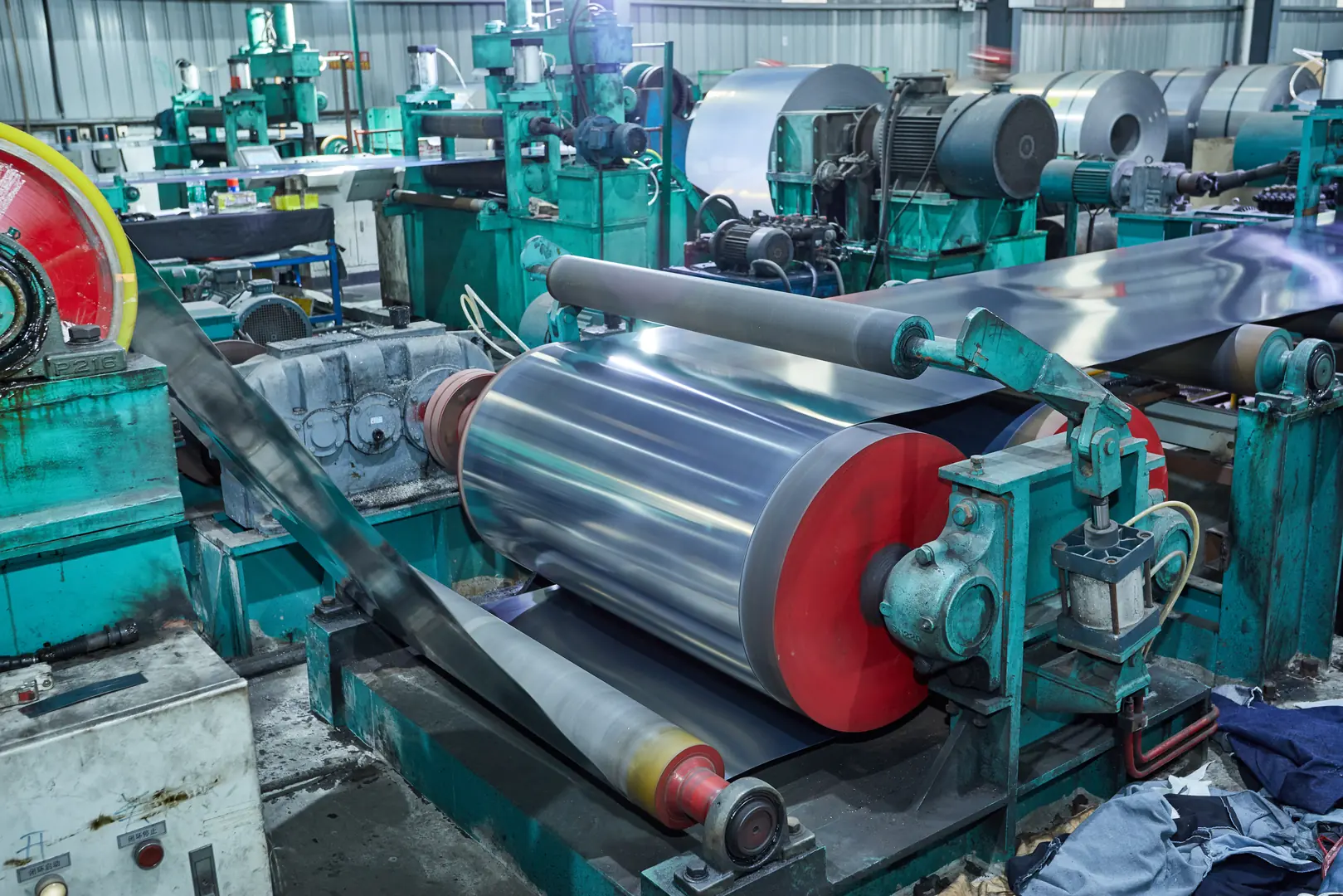
In my experience, looking back helps us understand the problems we're solving today. The journey for metals like copper and aluminum involves several stages, and heat treatment, or annealing, is a critical step. Its purpose is to soften the metal, making it easier to work with for processes like rolling and drawing. The big challenge has always been oxidation. In the past, annealing in open air caused a layer of oxide to form on the metal's surface. This was a major problem. It dulled the finish and had to be removed with costly and time-consuming acid pickling[^2]. This not only added steps to the production line but also created environmental waste. The industry needed a way to heat the metal without exposing it to oxygen. This fundamental challenge is what led to the development of controlled atmosphere furnaces and, eventually, the modern bright annealing technology we specialize in at AKS.
What Are the Current Trends in Non-Ferrous Metal Manufacturing?
Your competitors are getting smarter and faster. Are you keeping up with the latest manufacturing trends? Falling behind means losing market share. Here's what's driving the industry forward.
Current trends focus on sustainability, automation, and higher quality standards. Manufacturers are adopting energy-efficient technologies to reduce their carbon footprint and operational costs. There's also a strong push for process control to meet the demands for flawless surface finishes in electronics and automotive applications.

I see two major trends shaping every conversation I have with C-suite executives and senior technical managers. The first is the relentless push for efficiency. Energy prices are a major concern. The trend is clear: reduce consumption. This isn't just about cost anymore; it's about sustainability and market perception. Technologies that can prove a 20-40% reduction in energy use are no longer a "nice-to-have." They are essential for a healthy bottom line. The second trend is the demand for perfection. End-users in high-tech sectors have zero tolerance for defects. A copper foil for a circuit board or an aluminum part for a luxury car must be perfect. This means manufacturers need equipment that delivers consistent, repeatable results. Precise temperature control (like our ±3℃) and atmosphere management (<10ppm O2) are now standard expectations, not premium features.
What Are the Challenges in Enhancing Non-Ferrous Metal Production?
High energy bills, inconsistent product quality, and frequent downtime are eating into your profits. These common challenges can feel overwhelming. But they are solvable with the right approach.
The primary challenges are managing high energy consumption, preventing surface oxidation to ensure a bright finish, maintaining production stability with minimal downtime, and finding equipment that can be customized for specific alloys and production requirements. These issues directly impact profitability and competitiveness in the global market.

In my role at AKS, I speak with production managers and engineers every day. Their challenges are very consistent, and they all trace back to the performance of their heat treatment equipment. These aren't just technical problems; they are business problems that directly impact the P&L statement. A furnace that needs constant maintenance or consumes too much gas is a liability, not an asset. We've seen how these hurdles manifest on the factory floor and in financial reports.
A Breakdown of Common Production Hurdles
| Вызов | Operational Impact | Financial Impact |
|---|---|---|
| High Energy Use | Inefficient furnace design wastes gas and electricity. | Directly increases cost per ton produced. |
| Product Oxidation | Requires secondary cleaning; high scrap rates. | Increases processing costs and material waste. |
| Inconsistent Heating | Causes variable material properties and defects. | Lowers product qualification rate (<99%). |
| Frequent Downtime | Unplanned stops halt the entire production line. | Reduces monthly output and revenue potential. |
How Can We Overcome Production Challenges with Bright Annealing?
Tired of battling the same production issues? It's time for a new strategy. Bright annealing isn't just a process; it's a solution that directly targets your biggest operational headaches.
Bright annealing overcomes these challenges by using a protective atmosphere (like hydrogen or nitrogen) to eliminate oxidation. Modern furnaces, like ours at AKS, integrate advanced fuel/air ratio controls and heat recovery systems to cut gas consumption by 10-17%, ensuring both superior quality and lower costs.

Adopting advanced bright annealing is a strategic decision. It moves your operation from reactive problem-solving to proactive quality and efficiency control. The solution is built into the equipment's design. At AKS, we designed our печь для яркого отжига to tackle these challenges head-on. Our dual-layer heat recovery system captures waste heat, which directly contributes to the 10-17% reduction in gas consumption compared to competitors. We guarantee precise temperature control of ±3℃, which ensures uniform grain structure and mechanical properties across the entire coil. This level of precision is why our clients achieve product qualification rates over 99%. By preventing oxidation with atmosphere control under 10ppm O2, we eliminate the need for acid pickling, saving time, money, and reducing environmental impact. It's a comprehensive solution that transforms the entire production flow. [Insert anecdote about a client's success in reducing defects].
What Are My Technical Recommendations for Implementing Bright Annealing?
Ready to upgrade your production line? Making the right technical choices is critical for success. Avoid costly mistakes by focusing on these key equipment specifications from the start.
I recommend focusing on three core areas: energy efficiency, atmosphere control, and durability. Look for proven heat recovery systems, precise oxygen sensors (<10ppm), and a robust design with long maintenance intervals (≥180 days). Ensure the supplier can customize the furnace to your specific needs.

When you're evaluating a new bright annealing furnace, don't just look at the price tag. Look at the technology that drives your ROI. Here's what my team and I tell prospective clients to focus on to ensure they invest in an asset, not a liability.
Your Implementation Checklist
- Energy System: Ask for data on gas consumption. Does it have a heat recovery system? Our advanced fuel/air ratio control is a key feature that delivers quantifiable savings.
- Atmosphere Control: What is the guaranteed oxygen level? Anything above 10ppm risks oxidation. Precise control here is non-negotiable for a truly "bright" finish.
- Temperature Uniformity: Demand a tight tolerance. A ±3℃ range is the mark of a high-performance furnace and is essential for consistent product quality.
- Reliability: What is the expected uptime and maintenance interval? Our furnaces are built for 24/7 operation with >98% uptime and maintenance intervals of at least 180 days. This is crucial for maximizing production capacity.
Заключение
Integrating advanced bright annealing is a strategic move for any non-ferrous metal producer. It directly addresses cost, quality, and efficiency challenges. With AKS technology, you can achieve lower energy costs, higher productivity, and a superior product finish, securing your market leadership.

 Русский
  English