
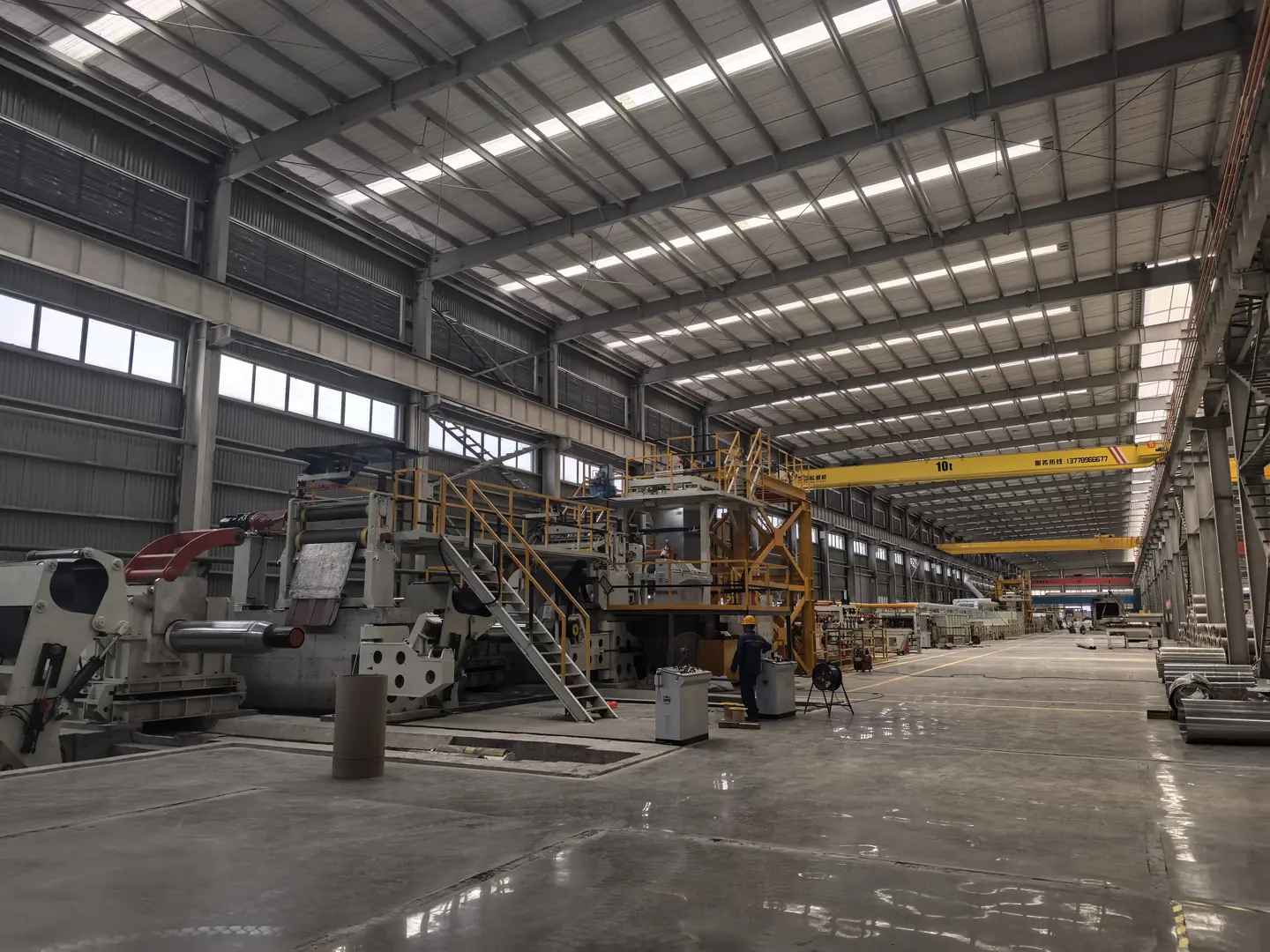
Struggling to hit your high production targets? High energy bills and inconsistent product quality are holding your plant back from its true potential. A modern, integrated furnace solution is the answer.
Yes, achieving a monthly production of 10,000 tons with bright annealing is absolutely possible. It requires a furnace engineered for high uptime, precise process control, and superior energy efficiency, ensuring massive output and consistent product quality without constant downtime or excessive operational costs.

As the General Manager at AKS, I've spoken with many plant directors who face this exact challenge. They have the demand but lack the equipment to meet it profitably. The truth is, reaching this level of output isn't about pushing old machinery harder; it's about upgrading to a smarter, more reliable system. Let's break down how we get you there.
What Is the Demand for Bright Annealing Services in High-Volume Production Industries?
Your customers demand more product, faster. But can your annealing process keep up with the global market's appetite for high-quality metals? This pressure from every direction is only growing.
High-volume industries like stainless steel, copper, and aluminum processing have a massive and growing demand for bright annealing. They need to produce thousands of tons monthly to stay competitive, requiring solutions that guarantee both quantity and a superior surface quality to meet strict market expectations.

Let's dive deeper into this. The demand isn't just a number; it's a complex requirement for both volume and perfection.
The Pressure from End-User Markets
Think about the industries we serve: automotive, high-end construction, electronics, and consumer appliances. They don't just want stainless steel coils or copper strips; they want materials with a flawless, mirror-like finish. Any oxidation or surface defect means the product is rejected. This puts immense pressure on your production line. You can't just produce more; you have to produce more perfect product. This is why a furnace's ability to maintain a pure atmosphere, with oxygen levels below 10ppm[^1], is not a luxury. It is a core requirement for staying in business.
Why Quality at Scale Matters
When you're aiming for 10,000 tons a month, a 2% rejection rate isn't just a small loss; it's 200 tons of wasted material, energy, and labor. The financial impact is huge. The market leaders I work with understand this. They know that true high-volume production is measured in sellable tons, not just gross output. That's why they invest in equipment that delivers over a 99% product qualification rate[^2]. It's the only way to make high-volume production profitable and sustainable.
How Are Current Bright Annealing Services Meeting the Needs of Large-Scale Production?
You're likely using older furnace technology. It was probably fine for a while, but now it struggles with constant downtime and shockingly high energy bills. These legacy systems are a bottleneck.
Many current bright annealing services rely on outdated furnaces that fail to meet modern, large-scale needs. They often suffer from poor energy efficiency, frequent downtime, and inconsistent temperature control, leading to production bottlenecks, high operational costs, and lower product qualification rates.
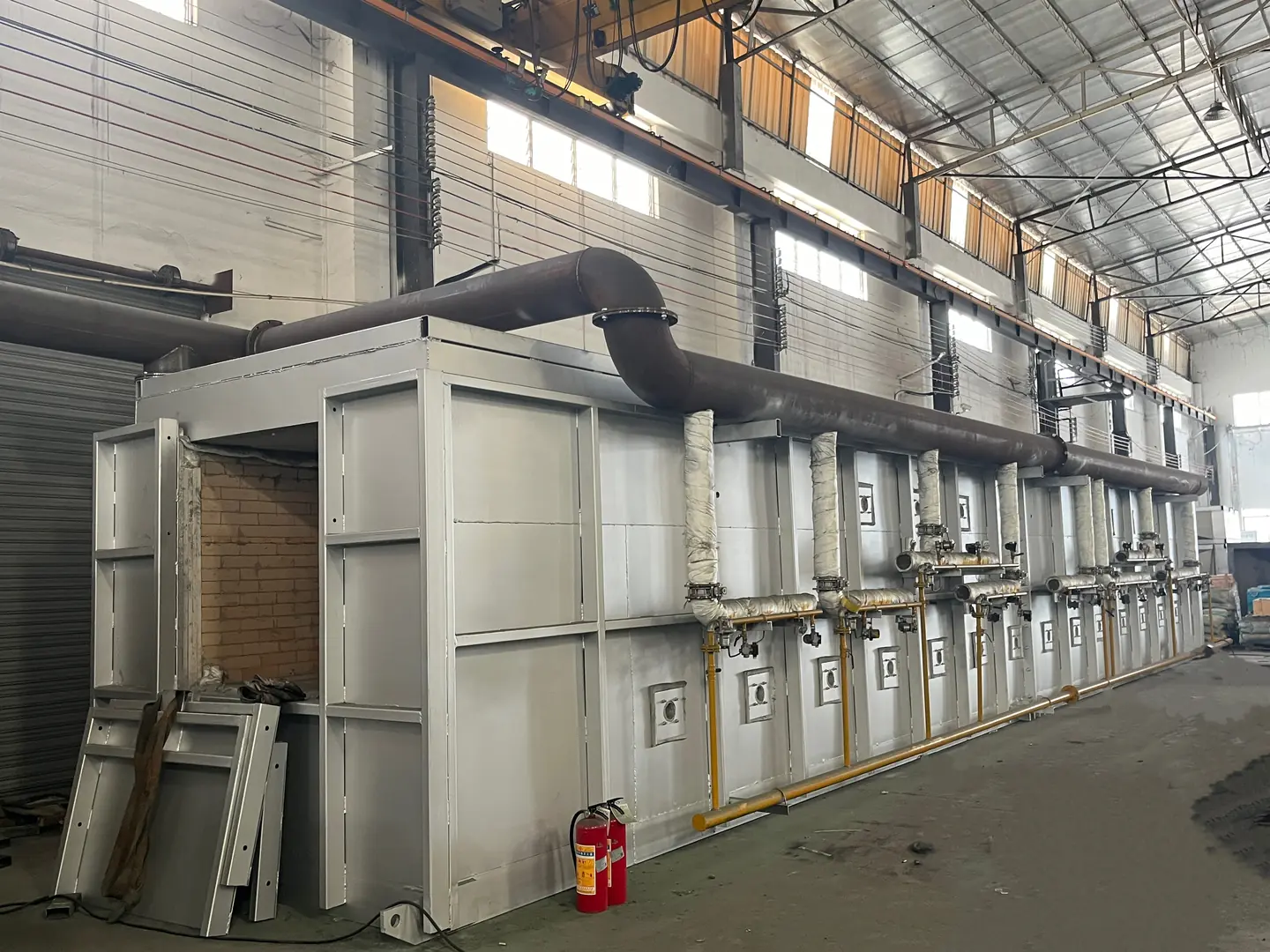
I've seen inside dozens of plants, and the story is often the same. Let me show you what I mean with a direct comparison.
The Bottleneck of Legacy Equipment
An old furnace is like an old car. It might still run, but it's inefficient, unreliable, and expensive to maintain. In a factory setting, this translates to production instability. You can't plan for 24/7 operations when you're constantly worried about unexpected shutdowns. We designed our furnaces for a maintenance interval of at least 180 days[^3] because we know that uptime is everything. When your equipment runs smoothly, you can focus on meeting orders instead of fixing problems. Legacy systems simply weren't built for the relentless demands of today's market.
A Data-Driven Comparison
The numbers speak for themselves. When we replace an older system, our clients see an immediate and measurable difference. It’s not a small improvement; it's a total transformation of their operational capability.
| Metric | Legacy Furnace | AKS Bright Annealing Furnace |
|---|---|---|
| Operational Uptime | ~85-90% | >98% |
| Energy Efficiency | Standard | 10-17% less gas |
| Temperature Control | ±10℃ or more | Stable ±3℃ |
| Atmosphere Control (O2) | >50ppm | <10ppm |
| Product Qualification | ~95% | >99% |
This data shows why hitting 10,000 tons is so hard with old equipment. The cumulative effect of lower uptime, wasted energy, and rejected product makes it nearly impossible.
What Challenges Do Industries Face When Aiming for Monthly 10,000-Ton Production in Bright Annealing?
Pushing for 10,000 tons a month feels impossible. Your energy costs are soaring, and equipment failures are creating constant firefighting for your team. This production target seems out of reach.
The primary challenges are maintaining operational stability for 24/7 production, controlling soaring energy consumption, and ensuring consistent product quality (like low oxidation). Frequent downtime, temperature fluctuations, and inefficient fuel use prevent plants from reaching and sustaining high-volume targets reliably.

From my experience, these challenges can be grouped into three main battles that every high-volume producer must win.
The Battle for Uptime
To produce 10,000 tons, your furnace needs to run almost continuously. You simply don't have time for unplanned downtime. The challenge is that many furnaces aren't built for this kind of marathon. They break down, require frequent maintenance, and create production chaos. Our solution is simple: build for durability. With an annual failure rate of less than 2% and a design that allows for over 180 days between scheduled maintenance, we give you the stability you need. This reliability is the foundation of high-volume output.
The War on Energy Costs
When you run 24/7, energy becomes one of your biggest operating expenses. An inefficient furnace can burn through your profits. I've seen clients whose gas bills were crippling their ability to compete. This is a direct challenge to profitability. By focusing on energy efficiency—using innovations to cut gas consumption by 10-17%—we help our clients reduce their overall energy costs by 20-40%. This money goes directly back to your bottom line.
The Pursuit of Perfect Quality
As I mentioned, high volume means nothing if the quality is poor. The challenge is maintaining perfect conditions inside the furnace, hour after hour, day after day. Any fluctuation in temperature or atmosphere can ruin a batch. We solve this with precision. Our systems maintain temperature stability within ±3℃ and an oxygen-poor atmosphere below 10ppm. This precision is what guarantees a product qualification rate of over 99%.
What Strategies Can Be Implemented to Overcome These Production Challenges?
You know the problems, but what's the actual solution? A simple equipment swap is not enough. You need a full strategic upgrade to your entire heat treatment process.
The key strategy is to invest in an integrated, modern bright annealing solution. This involves upgrading to an energy-efficient furnace with precise process controls, implementing a robust preventative maintenance schedule, and leveraging automation to ensure stable, continuous 24/7 operation and maximize output.

Let's dive deeper into what a real strategy looks like in practice. It’s about making smart, deliberate choices.
Strategy 1: Adopt Energy-Efficient Technology
Your first strategic move should be to attack your largest variable cost: energy. Don't accept high gas bills as a necessary evil. Instead, invest in technology specifically designed to reduce them. For example, our furnaces include a dual-layer heat recovery system[^4]. This isn't just a minor feature; it's a core strategic component. It captures waste heat from the exhaust and uses it to preheat the incoming air, directly cutting down on the fuel needed to reach annealing temperatures. This single decision can lower your plant's energy costs by up to 40%.
Strategy 2: Prioritize Process Stability
Your second strategy must be to eliminate process variables. Inconsistent quality is almost always due to unstable furnace conditions. The solution is to invest in a system that offers precise, automated control. Our furnaces maintain temperature and atmosphere with minimal human intervention. This stability is what allows you to run 24/7 and still achieve a >99% qualification rate. It turns quality control from a guessing game into a predictable science. [Insert anecdote about a client's success in reducing defects].
Strategy 3: Embrace Customization
A one-size-fits-all furnace cannot solve a unique production challenge. Over 70% of the furnaces we build are customized. Why? Because a plant in India processing 304 stainless steel has different needs than a brass mill in Europe. The right strategy involves working with a partner who can design a solution for your specific material, facility layout, and production goals. A standard furnace might get you to 7,000 tons, but a custom-engineered solution is what will get you to 10,000 tons and beyond.
What Technical Innovations Are Recommended for Optimizing Bright Annealing Processes?
You're looking for a real competitive edge for your business. Standard improvements are no longer enough. You need breakthrough technology that changes the game for efficiency and reliability.
Key technical innovations include advanced fuel/air ratio control systems for maximum energy efficiency, dual-layer heat recovery to recapture waste heat, and precision cooling systems. These technologies work together to lower gas consumption, ensure stable operations, and deliver superior product quality.

Let's dive deeper into the specific technologies that make this performance possible. This is the engineering behind the results.
Advanced Fuel/Air Ratio Control
This is about burning smarter, not just hotter. Traditional systems often use an excess of fuel to ensure temperature is met, which is incredibly wasteful. Our system uses sensors and automation to maintain the perfect stoichiometric ratio[^5] of fuel to air. This ensures complete combustion, maximizing the heat generated from every cubic meter of gas. This single innovation is directly responsible for a significant portion of the 10-17% reduction in gas consumption we guarantee. It’s pure efficiency.
Dual-Layer Heat Recovery System
I mentioned this before, but it's worth a closer look. Think of the hot exhaust leaving your furnace. In an old system, that's just wasted money vented into the atmosphere. Our dual-layer system is like a heat exchanger built into the furnace's structure. It uses that exhaust gas to preheat both the combustion air and the metal strip itself before it enters the main heating chamber. This means the furnace has to do less work to get the material up to temperature, delivering massive energy savings.
Precision Cooling System
The "bright" in bright annealing comes from cooling the metal in a protective atmosphere to prevent oxidation. If this is done too slowly or unevenly, you get defects. Our precision cooling system uses a controlled flow of the protective atmosphere to cool the metal strip rapidly and uniformly. This locks in the bright, clean surface finish and is a critical factor in achieving that >99% qualification rate. It ensures the quality you created in the heating zone makes it all the way to the final coil.
Conclusion
Reaching 10,000 tons per month is not just a goal; it's a strategic necessity in today's market. By upgrading to an energy-efficient, stable, and precisely controlled bright annealing furnace, you can lower costs, boost output, and secure your competitive position. It's an investment in operational excellence.
 English
  Русский