

Are high energy costs eating into your profit margins? You need a better solution for heat treatment. A modern vacuum annealing furnace[^1] provides superior quality while cutting energy consumption significantly.
The main purpose of a vacuum annealing furnace is to heat treat metals in a controlled, oxygen-free environment to improve their ductility and reduce hardness. It achieves up to 17% greater energy efficiency through advanced insulation[^2], precise controls, and heat recovery systems, lowering operational costs.
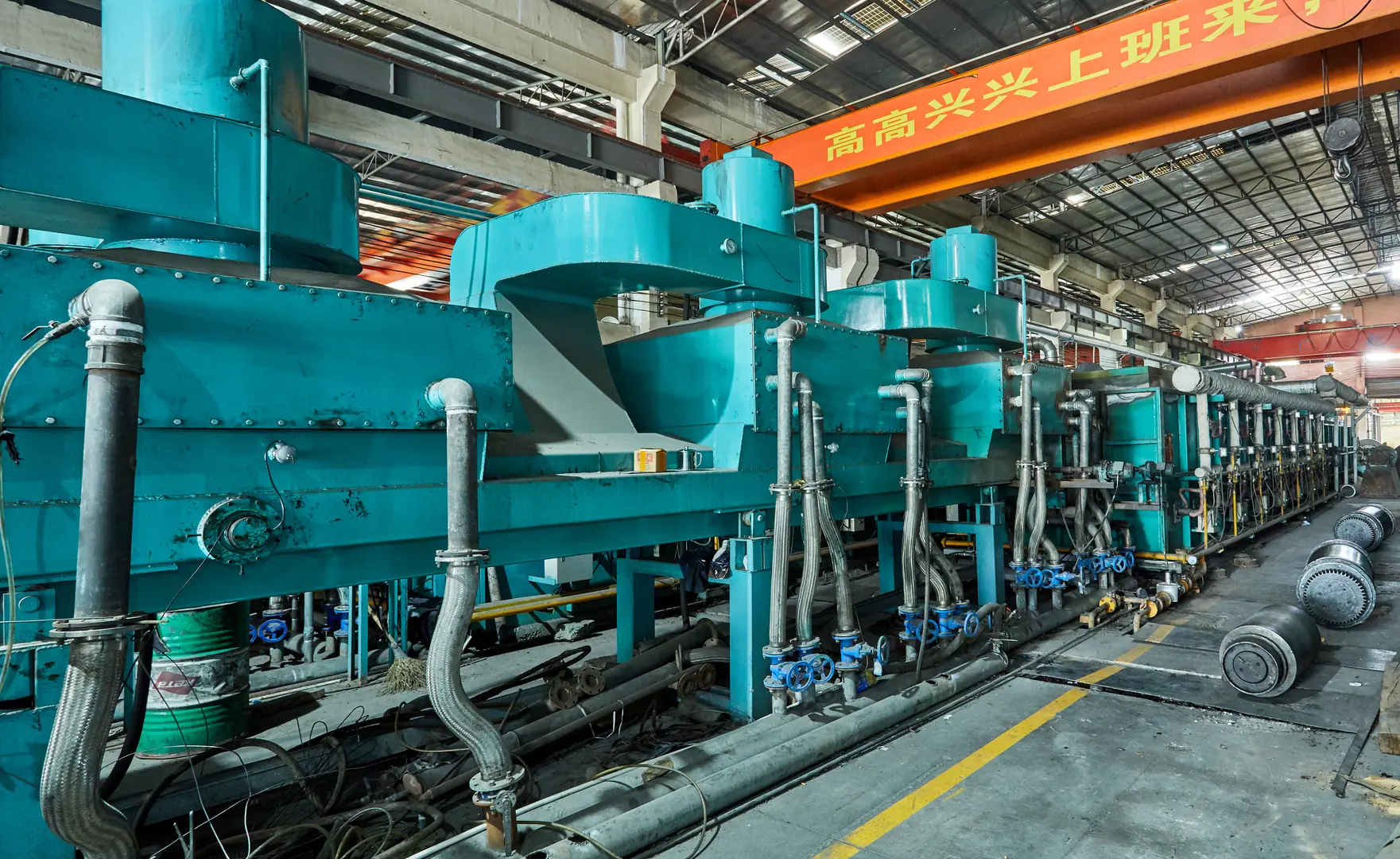
In my years as General Manager at AKS, I've spoken with countless plant managers who feel stuck between rising energy prices and the demand for higher quality products. The good news is that you don't have to choose one over the other. Understanding how this technology works is the first step toward a more profitable and sustainable operation. Let's explore how we got here and why this equipment is so crucial today.
What is the historical development of vacuum annealing furnaces?
Early furnaces were simple and inefficient. This limited material quality and wasted energy. The need for better materials pushed the industry to innovate, leading to the advanced technology we use today.
Vacuum annealing furnaces evolved from basic atmospheric furnaces in the mid-20th century. The demand for higher purity metals in new sectors like aerospace and electronics drove this development. This shift enabled precise temperature control and eliminated surface oxidation, marking a major leap in material science.

I often think about the incredible pace of change in our industry. Not long ago, annealing was a brute-force process. We used massive atmospheric furnaces that blasted materials with heat. The results were often inconsistent, and the energy bills were staggering. The biggest problem was oxygen. At high temperatures, oxygen reacts with the metal surface, causing scale and decarburization. This meant every batch required costly and time-consuming secondary processing like acid pickling or grinding to clean the surface. The process was dirty, inefficient, and expensive.
The turning point came with the rise of high-tech industries after World War II. The aerospace, nuclear, and electronics sectors needed metals with perfect purity and specific microstructures. Traditional methods just couldn't deliver. This demand was the catalyst for developing vacuum technology for heat treatment. By removing the air from the furnace chamber, we could eliminate the problem of oxidation entirely.
Key Milestones in Development
The evolution wasn't overnight. It was a series of gradual improvements in several key areas. Better vacuum pumps allowed us to create purer environments. Advanced control systems gave us the ability to manage temperatures with incredible precision. And new insulation materials helped us keep the heat exactly where we wanted it.
| Era | Key Development | Impact on Industry |
|---|---|---|
| 1950s-60s | Introduction of Vacuum Pumps | Eliminated surface oxidation, enabling high-purity metals. |
| 1970s-80s | Improved Control Systems (PLCs) | Allowed for precise, repeatable heating and cooling cycles. |
| 1990s-Now | Advanced Insulation & Recovery | Drastically reduced energy consumption and operational costs. |
This journey brought us to the modern vacuum furnace, a highly sophisticated piece of equipment that is now a strategic asset for any serious metal processor.
How do vacuum annealing furnaces function in today's industrial processes?
You need consistent, high-quality results in your production. But inconsistent heating causes defects and waste. A vacuum furnace provides a perfectly controlled environment for reliable outcomes every single time.
A vacuum annealing furnace operates by placing metal parts inside a sealed chamber. Air and other gases are pumped out to create a vacuum. The parts are then heated to a specific temperature and cooled in a controlled manner, preventing oxidation and ensuring uniform material properties.
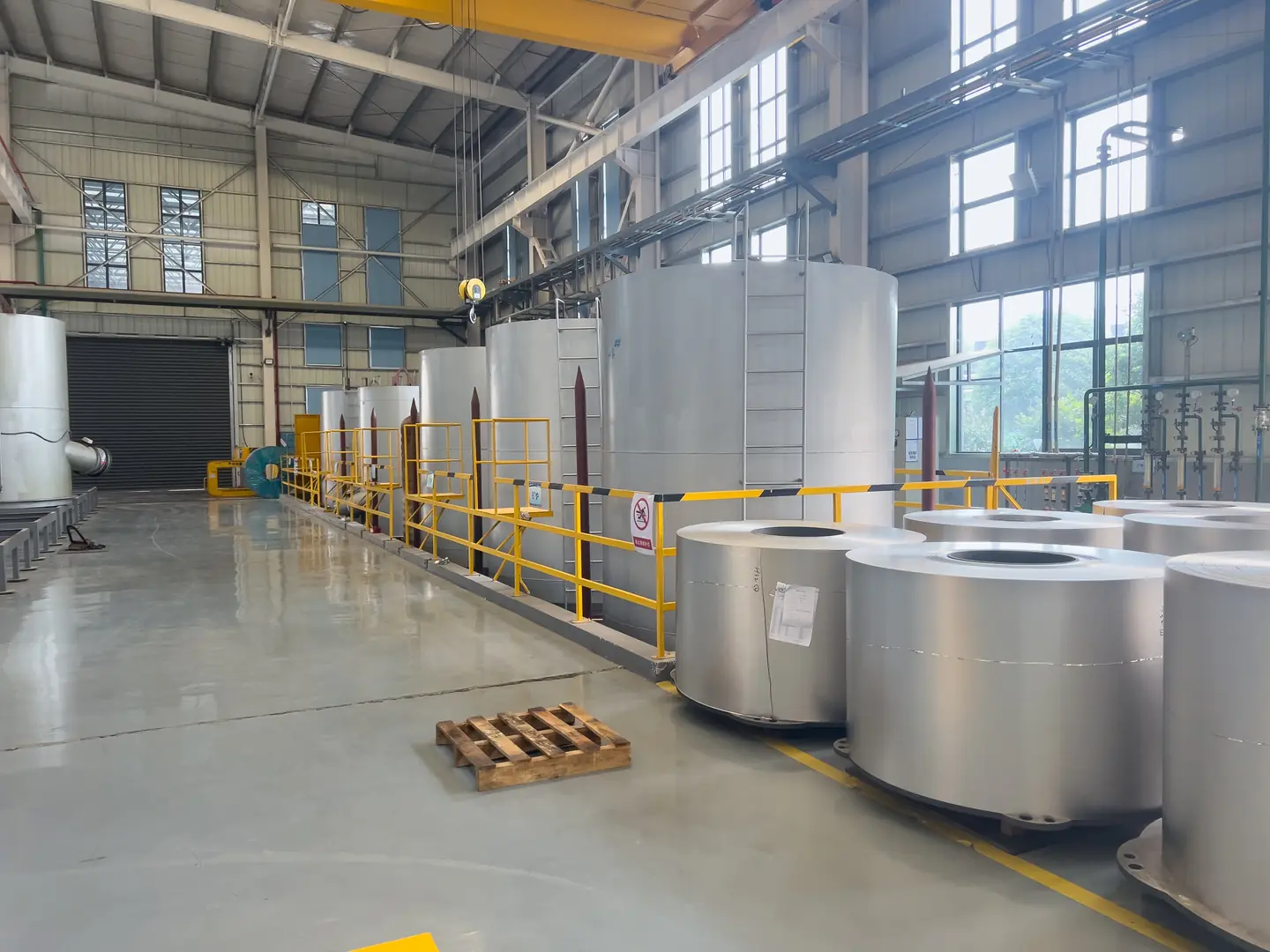
At its core, the process is elegantly simple, but its impact is profound. We use these furnaces for everything from softening stainless steel tubes to preparing exotic alloys for jet engines. The key is absolute control over the environment. By removing the atmosphere, we remove the variables that cause defects. This precision is not just a "nice-to-have"; for many of our clients in the medical device or semiconductor industries, it's an absolute requirement. A single imperfection can lead to a critical failure, so the reliability of the annealing process is paramount.
The entire operation is managed by a sophisticated control system. An operator can load a specific "recipe" for a certain material, and the furnace will execute every step flawlessly. This level of automation ensures that the first part and the thousandth part have the exact same metallurgical properties.
The Annealing Cycle Explained
Let's walk through a typical cycle. While the specifics vary by material, the fundamental stages remain the same.
- Loading: Parts are carefully placed inside the furnace chamber on fixtures designed to allow uniform heating.
- Pumping Down: The chamber door is sealed, and a powerful system of vacuum pumps removes the air. This creates a high-vacuum environment, protecting the metal from contamination.
- Heating: Electric heating elements surrounding the chamber raise the temperature to the precise annealing point. Because there is no air, heat is transferred primarily through radiation, which is very uniform.
- Soaking: The parts are held at the annealing temperature for a specific period. This allows the heat to penetrate fully and the metal's internal crystal structure to realign, relieving stress.
- Cooling: The parts are cooled in a highly controlled manner. This might involve backfilling the chamber with an inert gas like nitrogen or argon to speed up the process. The cooling rate is critical for achieving the desired final hardness and grain size.
This meticulous, repeatable process is what makes the vacuum furnace an indispensable tool in modern manufacturing.
What challenges do industries face with traditional annealing methods?
Are you still using older, traditional furnaces? They are often costly and inefficient. They waste tremendous amounts of energy and produce inconsistent quality, which directly impacts your production costs and reputation.
Industries using traditional annealing face high energy consumption, inconsistent product quality due to oxidation, and significant post-processing costs for cleaning. These methods also have a larger environmental footprint and lack the precise control needed for advanced materials, which ultimately hurts competitiveness.
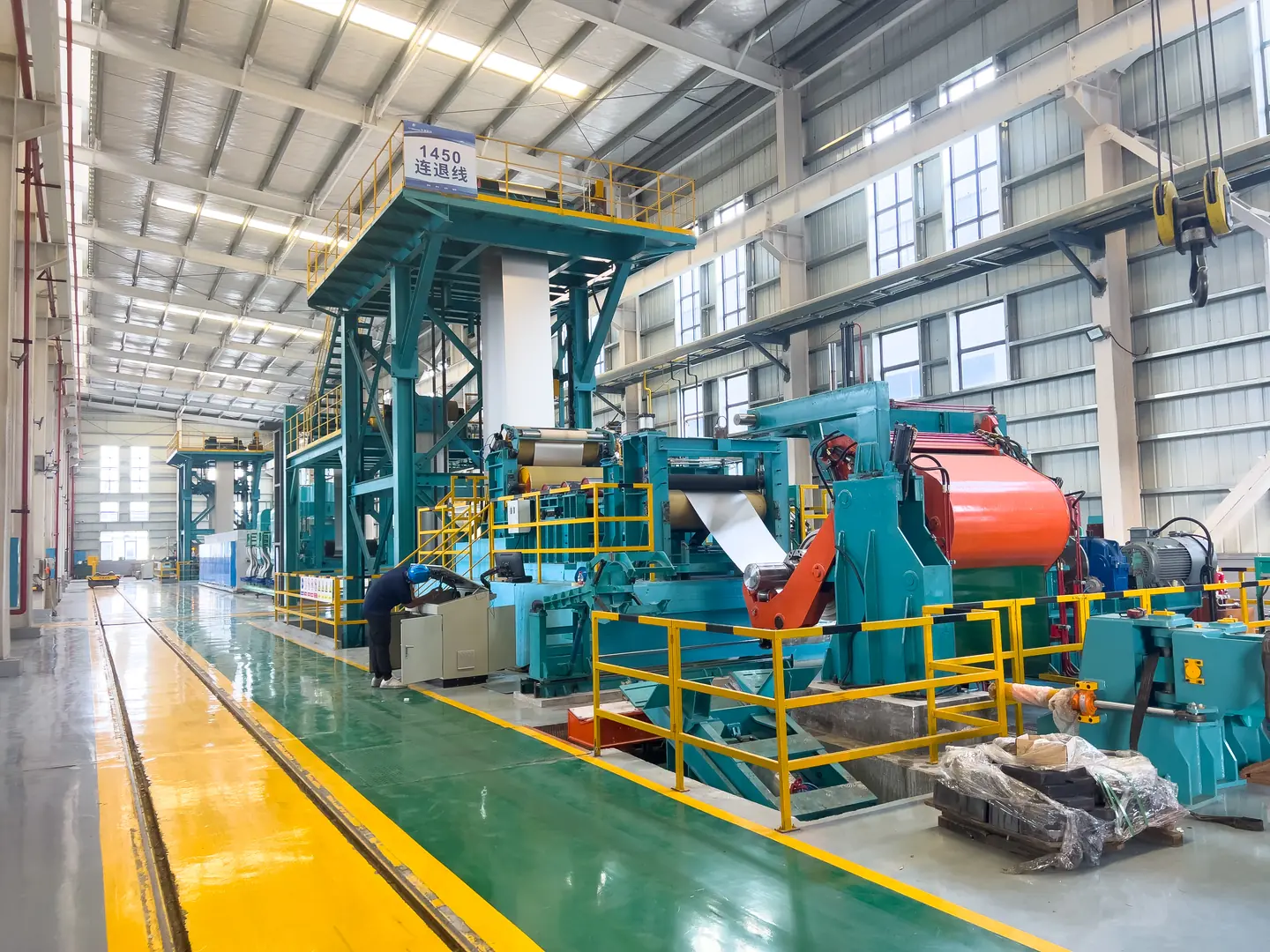
I see these challenges firsthand when I visit potential clients. Many are running atmospheric furnaces that are decades old. They are reliable workhorses, but they come with hidden costs that are becoming harder to ignore in today's competitive market. The biggest complaint is always energy. These older furnaces are often poorly insulated and lose a massive amount of heat to the surrounding environment. Furthermore, they have to heat not only the metal parts but also the massive volume of protective gas flowing through the chamber. It's like trying to heat your house with the windows open.
The second major issue is product quality. Without a vacuum, you're always fighting against oxidation. This creates a layer of scale on the metal surface that must be removed. This means adding extra steps to your production line, like chemical baths or sandblasting. These steps add labor costs, consume resources, and create waste disposal challenges. All of this eats into your profit margin on every single part you produce.
Key Drawbacks of Atmospheric Furnaces
The problems with older technology are clear and quantifiable. They fall into several main categories that directly affect a company's bottom line and its ability to compete.
| Feature | Traditional (Atmospheric) Furnace | Modern Vacuum Furnace |
|---|---|---|
| Energy Use | Very High | Low (Up to 17% less) |
| Surface Finish | Oxidized, requires cleaning | Bright and clean |
| Post-Processing | Required (e.g., pickling) | Not Required |
| Consistency | Variable | Highly Repeatable |
| Environment | High Carbon Footprint | Low Carbon Footprint |
These drawbacks aren't just minor inconveniences. They represent real money being wasted and opportunities being lost. In a global market, you can't afford to be held back by inefficient technology.
How does a vacuum annealing furnace offer a more energy-efficient solution?
Energy bills are climbing every year. Inefficient equipment is often a major cause. A vacuum furnace directly tackles this problem by using advanced technology to cut energy waste and lower your operating costs.
A vacuum furnace is up to 17% more energy-efficient primarily through superior insulation and the elimination of protective gases. The vacuum itself is an excellent insulator. This minimizes heat loss, allowing for faster heating cycles and less energy wasted maintaining temperature.
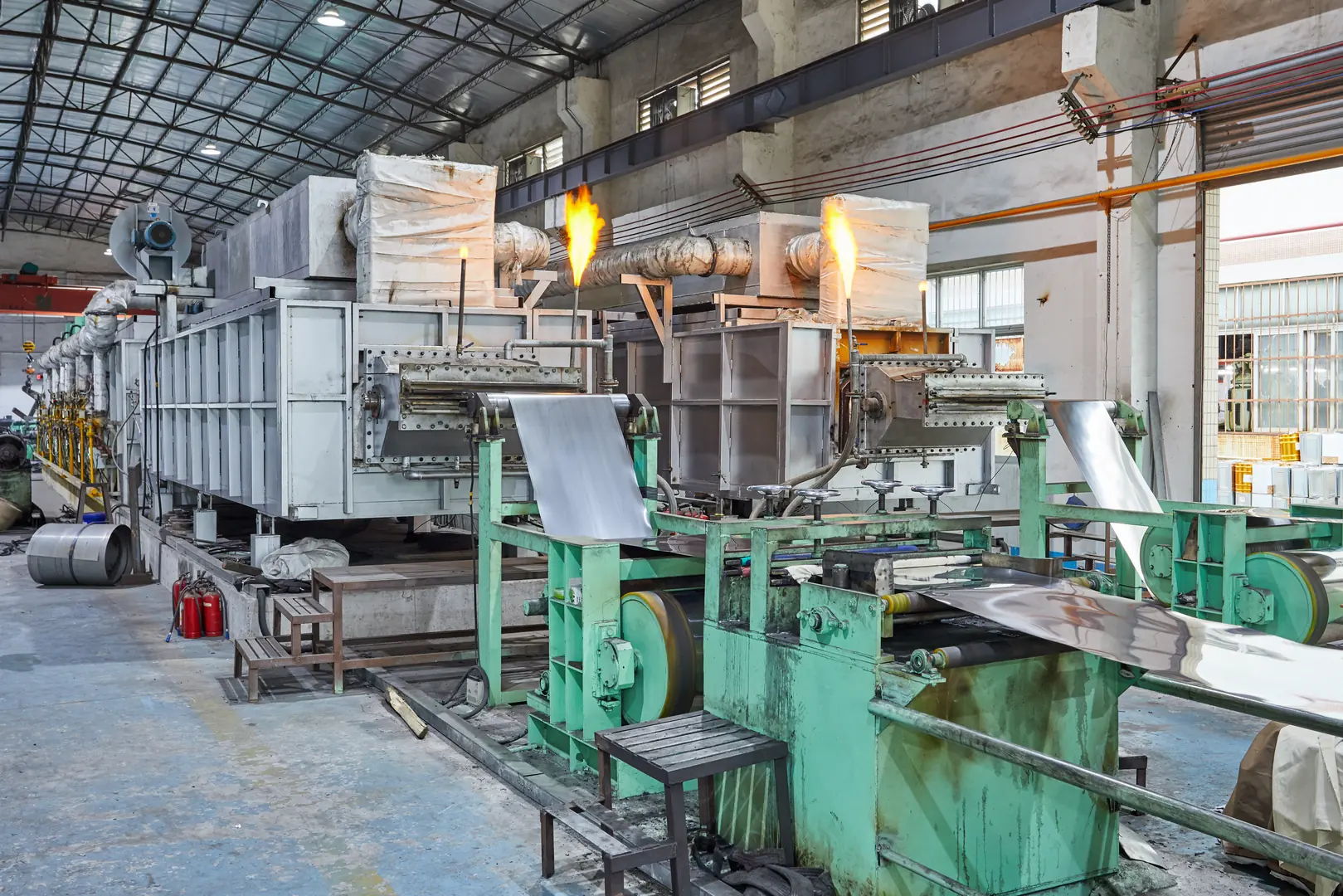
When we designed our AKS furnaces, energy efficiency was a top priority. We knew our customers were under pressure to reduce costs and meet sustainability goals. The 17% energy saving isn't just a marketing number; it's a figure we've validated with clients in real-world production environments. This efficiency comes from a few core engineering principles. The most important one is using the vacuum itself as an insulator. Heat has a hard time traveling through empty space. In an atmospheric furnace, heat is constantly carried away by the movement of hot gas (convection). In a vacuum, this mode of heat loss is almost entirely eliminated.
This means more of the energy we put into the heating elements goes directly into the product, not into the factory air. The result is a faster heat-up time and less energy needed to "soak" the parts at temperature. It's a fundamental advantage that is built into the physics of the process. This is a strategic advantage that pays dividends every single day you run the equipment.
Mechanisms of Energy Efficiency
The savings are the result of several design features working together. It's a holistic approach to thermal management.
- Vacuum Insulation: As mentioned, the vacuum itself dramatically reduces heat loss from convection. This is the single biggest factor in its efficiency.
- No Protective Gas to Heat: Traditional furnaces must continuously heat a flow of inert gas like nitrogen. This is like pouring energy down the drain. A vacuum furnace avoids this completely, representing a massive energy saving.
- Advanced Heat Recovery: Our modern furnaces incorporate heat recovery systems. These systems capture waste heat from the cooling cycle. This recovered energy can then be used to preheat the next load or for other plant processes, further reducing the overall energy footprint.
- Precision Control: Modern control systems ensure that not a single kilowatt-hour of energy is wasted. The system delivers the exact amount of power needed to maintain the temperature precisely, preventing the costly overshooting common in older systems.
Together, these features create a furnace that is not only better for producing high-quality parts but also significantly better for your budget and the environment.
What technological advancements support the energy efficiency of vacuum annealing furnaces?
Old technology holds your business back. It is often inefficient and unreliable. Modern advancements in furnace design deliver the precision control and significant cost savings needed to stay competitive.
Modern advancements include advanced control systems with precise PID controllers for temperature accuracy, high-performance vacuum pumps for faster evacuation, and improved insulation materials like ceramic fiber. These technologies work together to minimize energy consumption and maximize process efficiency.
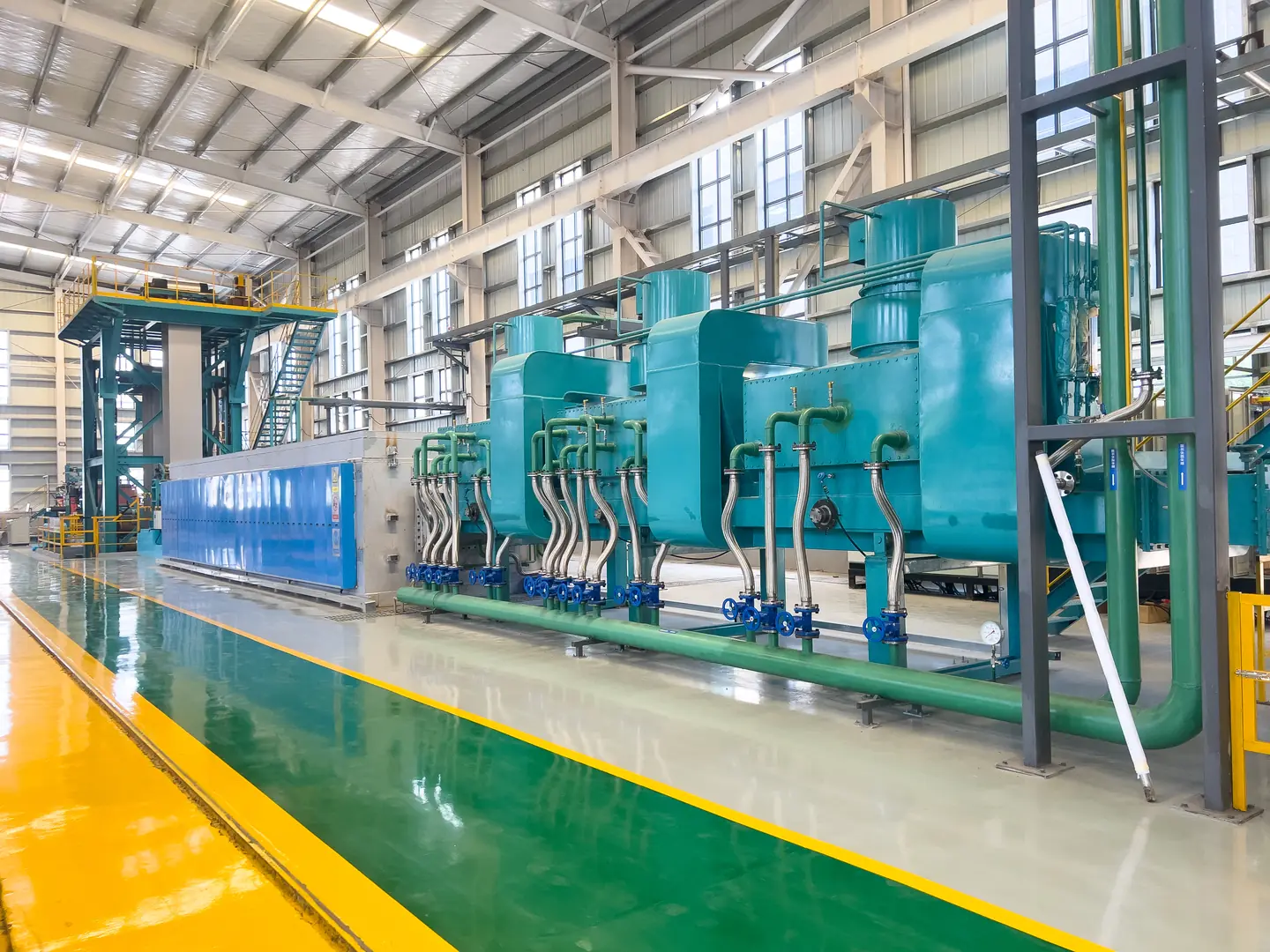
I'm constantly amazed by the technology we can now build into our equipment. It's a world away from the simple furnaces of the past. Today's vacuum furnace is a highly connected, intelligent system designed for peak performance. These are not just incremental improvements; they are game-changers that redefine what's possible in terms of efficiency and control. For our customers, this means they can take on more demanding jobs, reduce their cost per part, and operate more sustainably.
For example, our control systems can log data from every single cycle. This allows for powerful process analysis and quality control. A plant manager can see exactly how much energy was used for a specific job and look for opportunities to optimize it further. This data-driven approach is essential for continuous improvement in a modern manufacturing facility. These technologies are what transform a furnace from a simple piece of machinery into a strategic production asset.
Key Innovations in Modern Furnaces
Several specific technologies have been critical in achieving these new levels of performance and efficiency.
- Intelligent Control Systems: Modern furnaces use PLCs (Programmable Logic Controllers) that manage every aspect of the cycle with digital precision. They monitor dozens of sensors in real-time to make micro-adjustments, ensuring the process stays perfectly on track and uses the minimum amount of energy required.
- High-Efficiency Heating Elements: We've moved beyond simple wire elements. Today we use advanced materials like graphite or molybdenum that are more durable and convert electricity to heat with greater efficiency, reducing waste and improving furnace uptime.
- Multi-Layer Insulation: The furnace chamber is now protected by multiple layers of advanced insulation materials, like lightweight ceramic fiber and reflective metallic heat shields. This "cool wall" design keeps the heat inside the chamber and the outer shell of the furnace cool to the touch.
- Variable Speed Pumping Systems: Instead of running vacuum pumps at full power all the time, modern systems use variable frequency drives (VFDs). This allows the pumps to use only the power needed at each stage of the cycle, saving a significant amount of electricity.
Conclusion
A vacuum furnace is more than just a tool for quality. It is a strategic investment in energy efficiency, cost reduction, and long-term sustainability for your manufacturing business.
 English
  Русский