
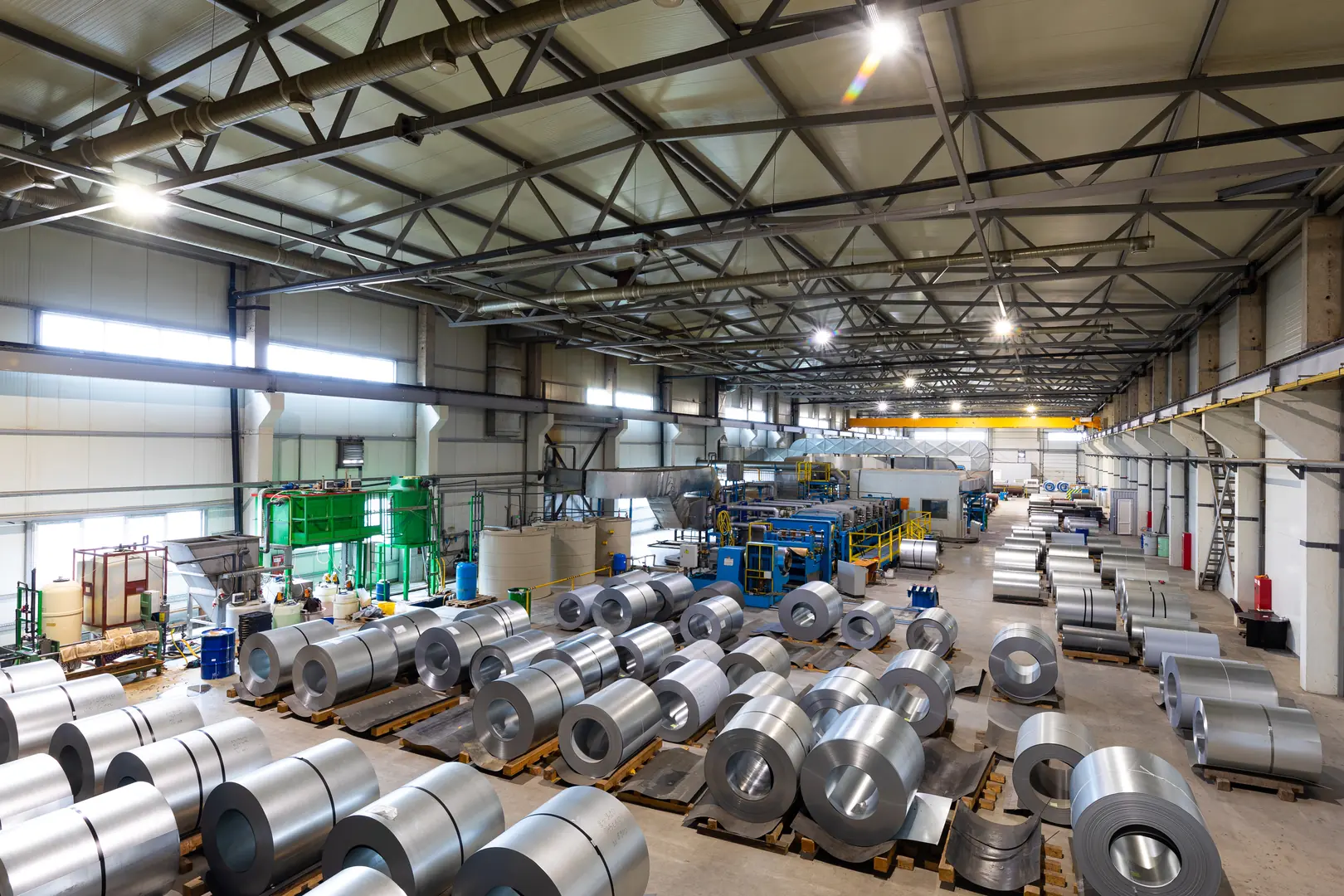
Choosing between furnaces for steel and aluminum can be confusing. Making the wrong choice costs you in energy, quality, and lost production, directly hitting your bottom line.
The right furnace depends on the material's distinct thermal properties. Steel requires higher temperatures and strict atmosphere control to prevent oxidation, while aluminum needs precise, lower-temperature heating. A versatile, customizable solution like our AKS Bright Annealing Furnace handles both, ensuring optimal efficiency and product quality.

As the General Manager at AKS, I see this challenge every day. C-level executives and senior engineers need a furnace that delivers performance without compromise, whether they're processing stainless steel coils or aluminum foil. The decision impacts everything from operational throughput to the final balance sheet. So, let's break down how to make the right choice for your facility.
Understanding the Basics: Steel and Aluminum Heat Treatment Processes?
Steel and aluminum seem similar, but their heat treatment needs are worlds apart. Treating them the same way leads to poor quality, high scrap rates, and wasted energy.
Steel heat treatment, like bright annealing, uses high temperatures to alter its crystal structure for better ductility. In contrast, aluminum requires lower, extremely precise temperatures to achieve specific tempers without melting. Atmosphere control is also critical for steel to ensure a bright, oxide-free surface.

Let's dive deeper into what this means on the factory floor. My team and I work with these materials constantly, and the differences are stark.
Steel: The High-Temperature Challenge
When we talk about stainless steel, like grades 201 or 304, we're dealing with high temperatures. The goal of bright annealing is to soften the material while creating a perfectly clean, bright surface. This is impossible without precise atmosphere control. Any oxygen in the furnace will cause oxidation, ruining the finish. That's why our furnaces are engineered to maintain an atmosphere with less than 10ppm of O2. It’s this level of control that allows our clients to achieve product qualification rates[^1] over 99%. You need a furnace built to handle the heat and starve the environment of oxygen.
Aluminum: The Precision Game
Aluminum is a different beast entirely. Its melting point is much lower, so you don't have much room for error. Overheating by even a few degrees can ruin an entire batch. This is where precise temperature control becomes the most important factor. Our systems maintain a temperature accuracy of ±3℃. This tight tolerance is essential for hitting the exact temper required for products like aluminum foil without compromising the material's integrity. It’s a game of precision, not just power.
| Feature | Steel (e.g., Stainless 304) | Aluminum (e.g., Foil) |
|---|---|---|
| Typical Temp Range | High (e.g., >1000°C) | Low (e.g., 300-500°C) |
| Key Challenge | Preventing Oxidation | Avoiding Overheating |
| Atmosphere Control | Critical (<10ppm O2) | Important for Surface Finish |
| AKS Solution | Bright Annealing Furnace | Customizable Bright Annealing Furnace |
Current Technological Advancements in Heat Treatment Furnaces?
Older furnaces are inefficient and unreliable. They drain your profits through high energy bills, constant downtime, and inconsistent product quality, making it hard to compete in today's market.
Modern furnaces feature advanced fuel/air ratio controls, dual-layer heat recovery systems, and precise atmosphere management. These innovations significantly cut energy consumption by 20-40% and improve stability. At AKS, our furnaces integrate these technologies to guarantee over 98% uptime and superior quality.
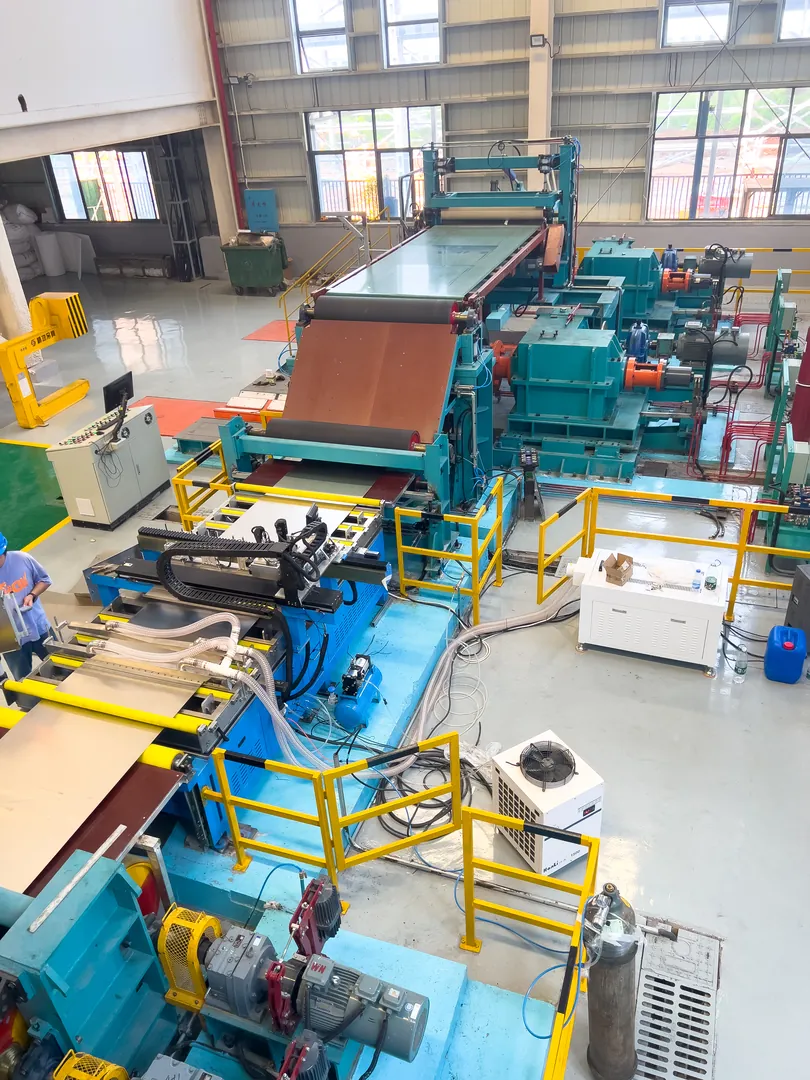
Technology is what separates a cost center from a profit driver. When we started AKS, we focused on integrating innovations that solve the biggest pain points for our customers: high operating costs and instability.
Energy Efficiency is King
Energy is one of the biggest operational expenses in heat treatment. We tackled this head-on. Our furnaces use an advanced fuel/air ratio control system to ensure we burn gas as efficiently as possible. We also built in a dual-layer heat recovery system that captures waste heat and reuses it. The result? Our clients see 10-17% less gas consumption compared to competitors, which translates to a 20-40% reduction in overall energy costs. This saving goes directly to your bottom line, month after month.
The Power of Precision
I can't overstate the importance of control. Our ability to maintain temperature within a ±3℃ window and atmosphere with less than 10ppm of oxygen is not just a technical spec; it's a quality guarantee. This precision is why our customers achieve product qualification rates of over 99%. It eliminates guesswork and reduces scrap, which in turn boosts real, sellable output.
Built for the Long Haul
Downtime kills productivity. That's why we designed our furnaces for stable, 24/7 operation with over 98% uptime. We use durable components and smart engineering to extend the time between service. Our furnaces are built for long-term industrial use, with a maintenance interval of 180 days or more. This reliability means you can plan production with confidence and meet your targets consistently.
Challenges in Selecting the Right Furnace for Steel and Aluminum?
Choosing a furnace feels like a huge, risky decision. A wrong choice can lock you into years of high operating costs, low productivity, and quality control headaches.
The main challenges are balancing versatility with specialization, managing upfront cost versus long-term operational savings, and ensuring the furnace meets specific material needs. Many standard, off-the-shelf furnaces fail at one of these, leading to compromises in either quality for steel or efficiency for aluminum.
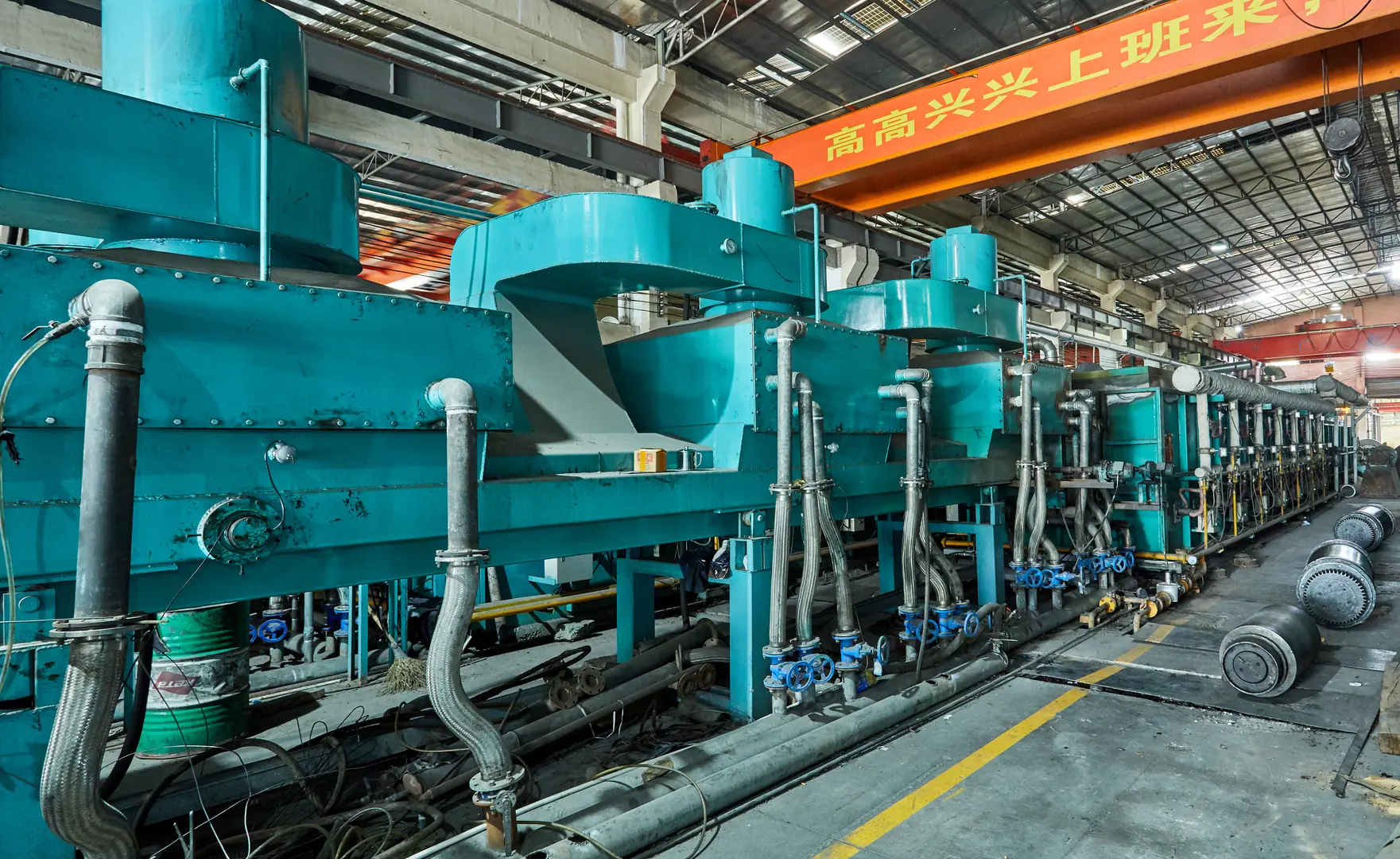
I’ve spoken with countless managers who are stuck with a furnace that is "good enough" for one material but terrible for another. This compromise is where profit gets lost.
One Size Does Not Fit All
A generic furnace is a master of none. A furnace designed for the high heat of steel often lacks the delicate temperature control needed for aluminum. Conversely, a furnace built for aluminum might not have the robust construction or atmosphere control system to properly anneal stainless steel. Trying to use one for both often results in oxidized steel, overheated aluminum, or massive energy waste. You end up fighting the equipment instead of focusing on production.
The Customization Dilemma
This is the core problem we solve at AKS. We recognized that every manufacturer's needs are unique. That is why over 70% of the furnaces we build are customized. We don't force you into a standard box. Instead, my team works with you to design a furnace optimized for your specific mix of steel, aluminum, copper, or brass alloys. We adjust dimensions, heating systems, and control logic to create a solution that excels at everything you process. [Insert anecdote about a client's success in reducing defects].
Looking Beyond the Price Tag
It’s easy to focus on the initial investment. But the true cost of a furnace is its total cost of ownership[^2]. A cheaper, inefficient furnace will cost you far more in the long run through higher energy bills, more scrap, and lost production from downtime. Our furnaces deliver a clear ROI. By reducing energy costs by 20-40% and boosting annual production by 10% or more, the equipment pays for itself much faster. A smart investment is one that keeps delivering value for years.
Effective Strategies for Choosing Between Steel and Aluminum Heat Treatment Furnaces?
You need a clear plan to choose the right furnace. Without a strategy, you might buy based on price or a single feature and regret the decision for years to come.
First, analyze your complete production mix of steel and aluminum alloys. Second, prioritize non-negotiable features like precise temperature control (±3℃) and proven energy efficiency. Third, choose a partner who offers deep customization. A flexible solution often provides the best long-term value.
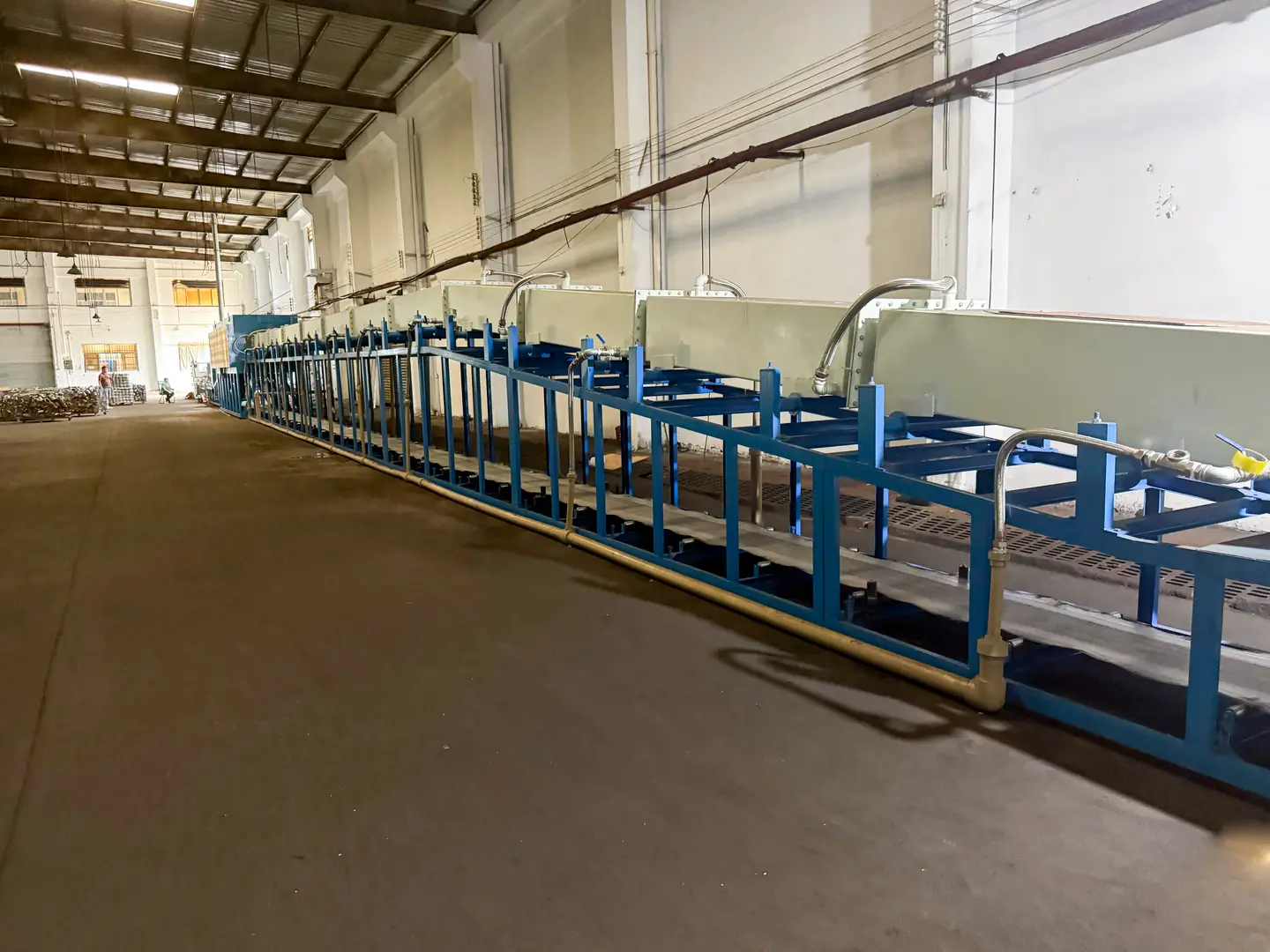
Making a major capital investment requires a structured approach. I advise my potential clients to follow a simple, three-step process to ensure they get exactly what they need.
Step 1: Audit Your Materials
Before you even look at a furnace, look at your own production line. Make a detailed list of every alloy you process. Note the volumes, the required heat treatment cycles, and the quality standards for each one. Are you running 80% steel and 20% aluminum, or is it a 50/50 split? This data is the foundation of your decision. It will tell you whether you need a specialized machine or a versatile workhorse.
Step 2: Define Your Must-Haves
With your material audit complete, create a technical checklist. This is your list of non-negotiables. Based on my experience, it should include:
- Temperature Accuracy: Target ±3℃ or better. This is critical for both materials.
- Atmosphere Control: Target <10ppm O2 for bright annealing steel.
- Energy Efficiency: Ask for proven data on gas consumption and heat recovery.
- Uptime Reliability: Demand a proven uptime of >98% and long maintenance intervals.
This checklist turns your search from a vague exploration into a data-driven evaluation.
Step 3: Find a True Partner, Not Just a Supplier
A supplier sells you a product. A partner helps you solve a problem. Look for a company that wants to understand your business and is willing to engineer a solution with you. At AKS, our integrated process—from R&D and design to manufacturing and service—is built around this partnership model. We don't just sell furnaces; we deliver tailored heat treatment solutions that make our clients more competitive.
Technical Recommendations for Optimal Furnace Performance?
You bought a great furnace, but performance isn't meeting expectations. This means you're leaving money on the table through hidden inefficiencies and lower-than-expected quality.
For optimal performance, regularly calibrate temperature sensors to maintain ±3℃ accuracy. Consistently monitor and maintain the protective atmosphere below 10ppm O2 to prevent oxidation. Finally, implement a preventive maintenance schedule. Our furnaces are designed for intervals of 180 days or more, ensuring consistent uptime.
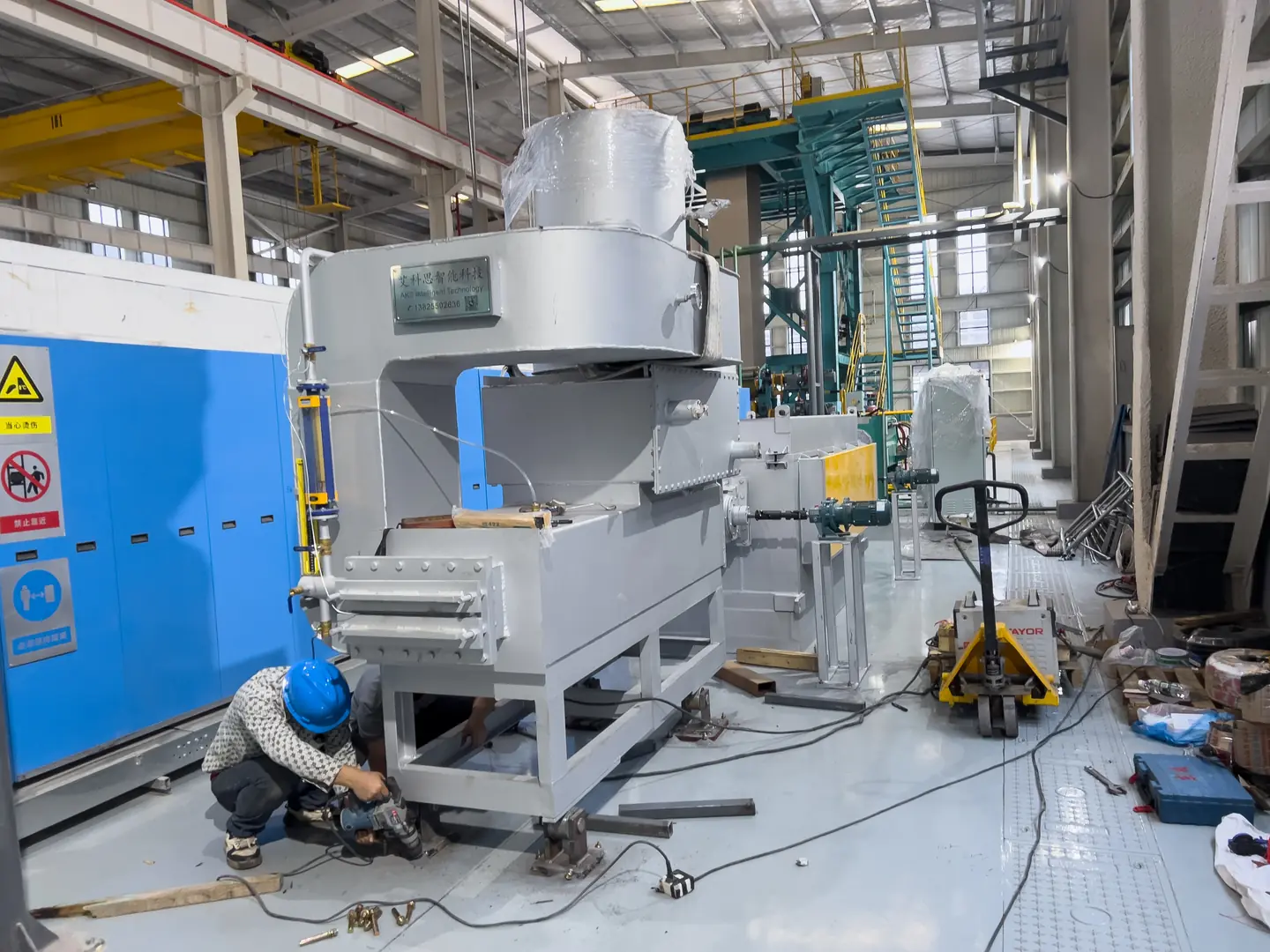
Getting the most out of your investment doesn't stop after installation. Consistent operation at peak performance requires attention to a few key areas. My technical service team always emphasizes these points with our clients.
Master Your Atmosphere
For stainless steel, the atmosphere is everything. A bright, valuable finish is only possible in an oxygen-free environment. You must regularly check your gas delivery systems and furnace seals to ensure integrity. Our advanced atmosphere management systems make this easier, but routine checks are still best practice. A small leak can lead to a large batch of oxidized, low-value product.
Temperature is Everything
That ±3℃ control window is your key to quality. For aluminum, it prevents melting. For steel, it ensures the correct metallurgical properties are achieved. I recommend regular calibration of your thermocouples and control systems. Drifting sensors can slowly degrade your quality without you noticing until it's too late. Precision requires vigilance.
Don't Neglect Maintenance
We design our equipment for long-term industrial use with maintenance intervals of 180 days or more. This is intentional, designed to maximize your production time. But "low maintenance" does not mean "no maintenance." Following the recommended service plan for inspecting burners, checking insulation, and servicing mechanical components is the best way to guarantee that >98% uptime and protect your investment for years to come.
| Recommendation | Why It Matters | AKS Advantage |
|---|---|---|
| Calibrate Sensors | Ensures ±3℃ accuracy for consistent quality | Precision control systems are built-in |
| Monitor Atmosphere | Prevents oxidation (<10ppm O2) for high-value finish | Advanced, reliable atmosphere management |
| Follow Maintenance Plan | Maximizes uptime and extends furnace lifespan | Designed for long ≥180 day service intervals |
Conclusion
Choosing the right furnace for steel and aluminum comes down to balancing precision, power, and long-term operating cost. By focusing on customization and key technologies like ours, you can boost quality, increase annual output by over 10%, and cut energy costs, securing a powerful competitive advantage.

 English
  Русский