
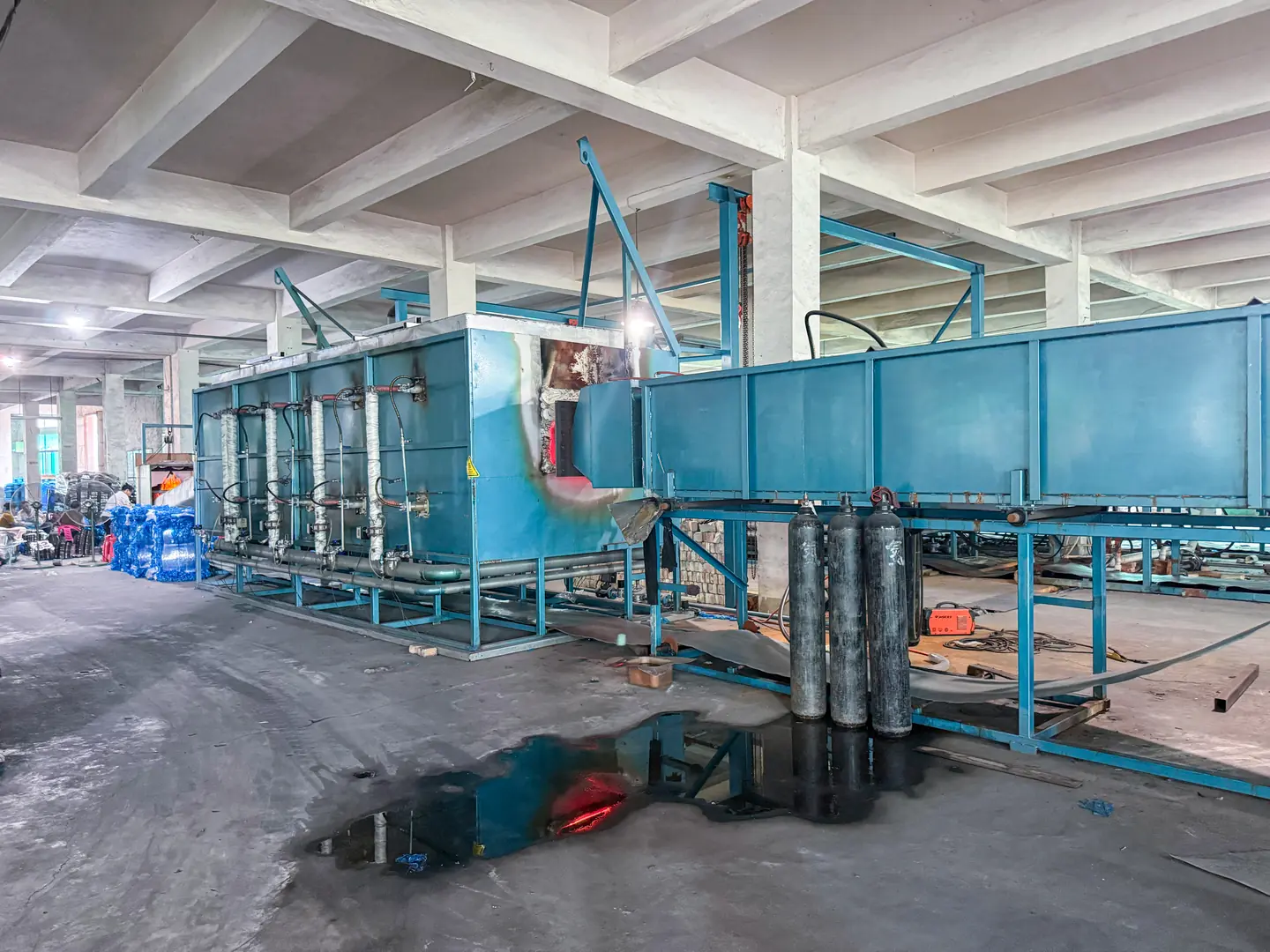
Are high energy bills eating into your profit margins? This constant pressure makes it hard to compete. Our bright annealing furnaces are the solution, engineered to cut your gas consumption.
Stainless steel processors choose advanced bright annealing furnaces because they deliver a proven 10-17% reduction in gas consumption compared to competitors. This significant energy saving directly lowers operational costs, boosts annual production capacity by over 10%, and enhances overall profitability and market competitiveness.
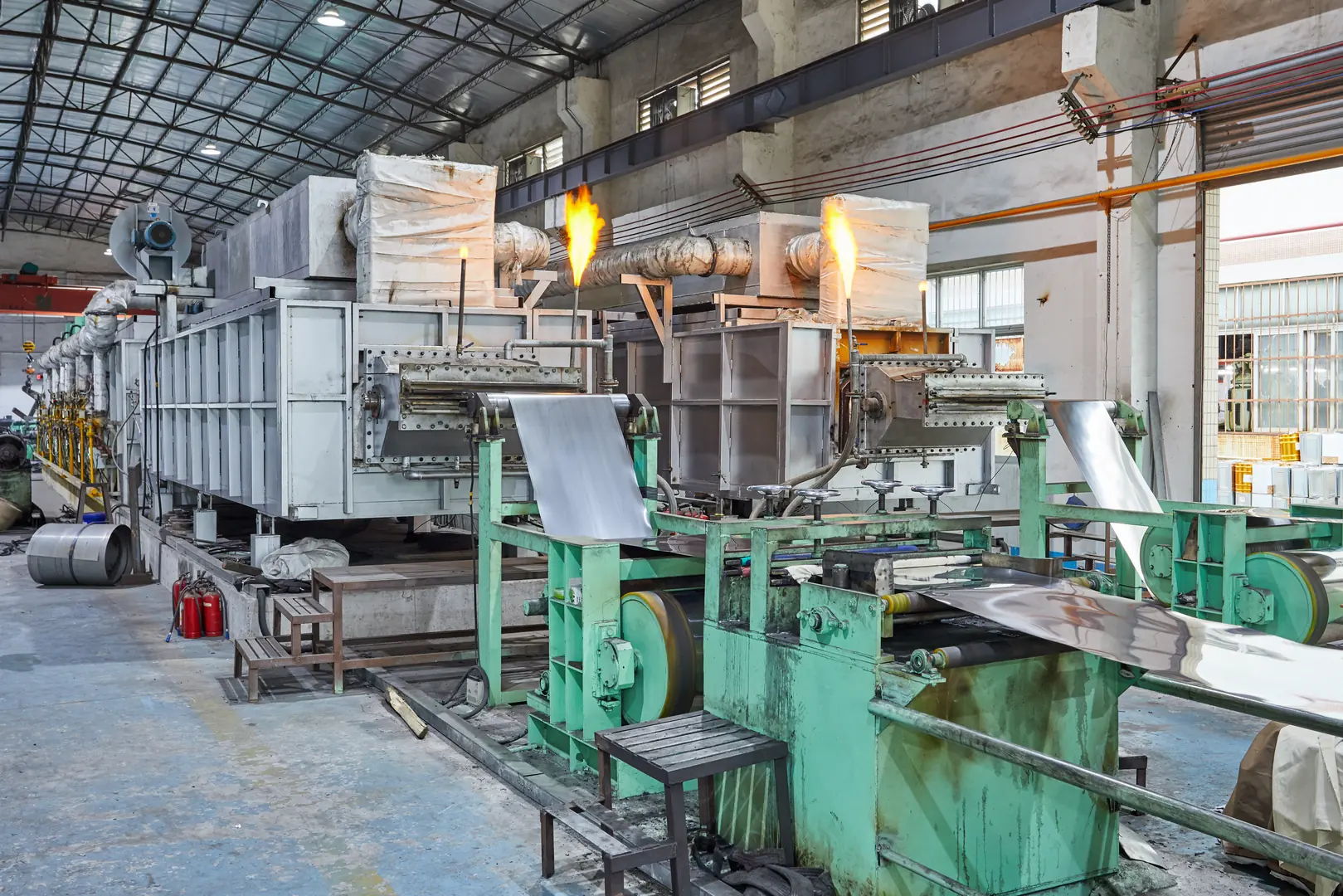
As the General Manager of AKS, I've seen firsthand how energy costs can make or break a metal processing business. The right equipment isn't just an expense; it's a strategic asset for growth. So, let's look closer at how these savings are not just possible, but repeatable.
What Are the Key Facts About Energy Efficiency in Bright Annealing?
You hear many claims about efficiency, but what are the real numbers? Making a huge capital investment based on vague promises is a risk no one can afford.
The key facts are rooted in superior engineering. Our furnaces achieve efficiency through an advanced fuel/air ratio control system, a dual-layer heat recovery system, and exceptional operational stability. These features work together to guarantee less energy is wasted and more is used for production.

Let's dive deeper into the technology. The core of our energy efficiency is control. Many furnaces struggle with incomplete combustion, which is just like burning money. Our system provides precise control over the fuel/air ratio, ensuring every bit of gas is used effectively. This alone is a major source of savings.
Technical Innovations Driving Savings
Our innovations are not just theoretical. They deliver measurable results day in and day out.
- Dual-Layer Heat Recovery: We capture and reuse exhaust heat not once, but twice. This preheats the combustion air, meaning the furnace doesn't have to work as hard to reach its target temperature.
- Atmosphere & Temperature Control: Efficiency is also about quality. By maintaining a stable atmosphere with oxygen levels below 10ppm[^1] and temperature precision of ±3℃, we prevent product oxidation. This results in a product qualification rate over 99%[^2], eliminating the energy wasted on producing scrap.
| Feature | AKS Performance Metric | Direct Benefit |
|---|---|---|
| Fuel/Air Ratio Control | Complete Combustion | 10-17% Less Gas Consumption |
| Heat Recovery System | Dual-Layer | Reduced Initial Energy Input |
| Operational Uptime | >98% | Maximized Production Hours |
| Maintenance Interval | ≥180 Days | Less Downtime, More Output |
These facts show that true efficiency comes from a combination of smart design and robust construction, built for the demands of 24/7 industrial use.
How Do We Analyze Energy Savings in Stainless Steel Processing?
Saying you can save 10-17% is one thing, but how do you prove it? Without a clear analysis, it's just a marketing claim. You need data to justify your investment decision.
We analyze energy savings by establishing a clear baseline of your current furnace's gas consumption per ton of steel produced. We then compare this against the documented performance of our bright annealing furnace under the same production conditions, providing a transparent ROI calculation.
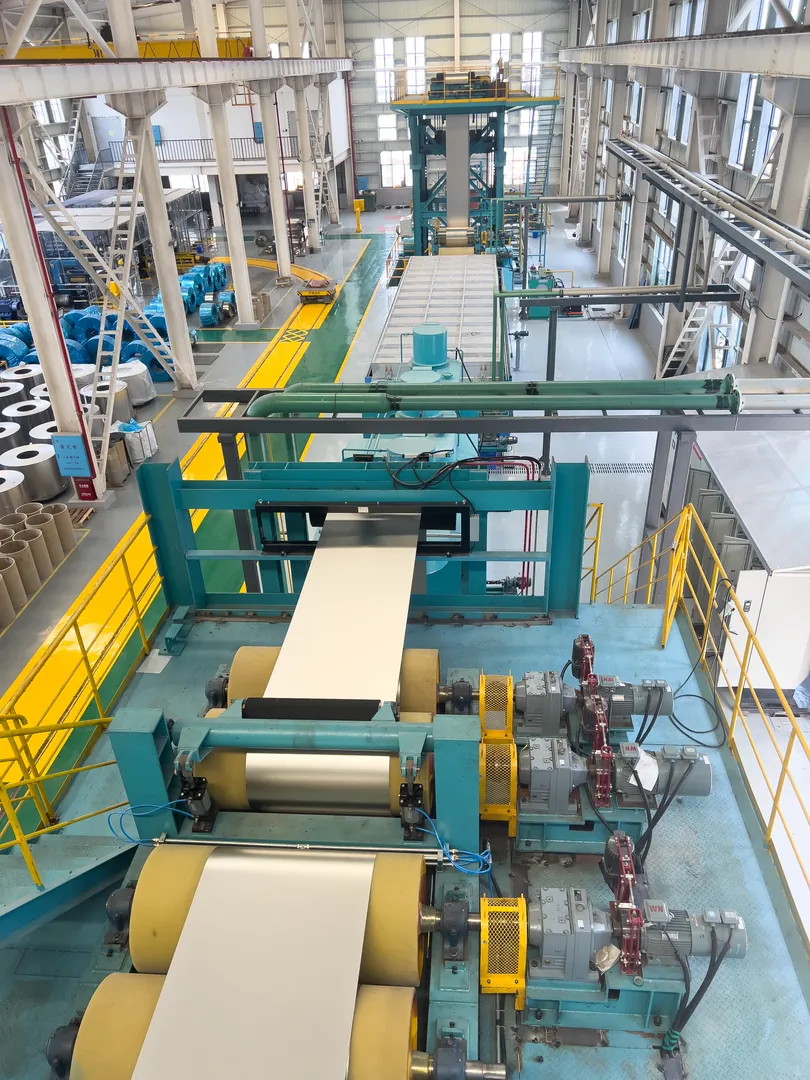
Let's dive deeper into this process. It's a simple but powerful analysis. My team and I work with you to understand your current operation. We look at your monthly gas bills and your total production output in tons. This gives us your current cost of energy per ton. Then, we model the exact same production volume with our furnace. Because we know our equipment consumes 10-17% less gas, the calculation is straightforward.
Building the Business Case
The analysis isn't just about gas. It's about building a solid business case for your management team.
- Direct Cost Comparison: We show a side-by-side comparison of monthly and annual energy spending. When you process 10,000 tons or more a month, a 17% reduction is a massive number that gets everyone's attention.
- Productivity Gains: Our analysis also includes the 10%+ boost in annual production you get from over 98% uptime and less downtime for maintenance. More output with less energy fundamentally changes your cost structure.
I recently worked with a client who was struggling with an older, inefficient furnace. [Insert anecdote about a client's success in reducing defects]. By running this analysis, we showed them they could lower their total energy costs by over 30% annually, and the new furnace would pay for itself much faster than they imagined.
How Does Energy Reduction Impact Production Costs?
Does saving on your gas bill really move the needle on overall profitability? It's easy to get lost in the numbers and miss the big picture of how one change affects the entire operation.
Energy reduction has a massive impact on production costs. It directly lowers your operational expenses by 20-40% and boosts your qualified product output. This means your cost-per-ton drops significantly, making your business more profitable and competitive.
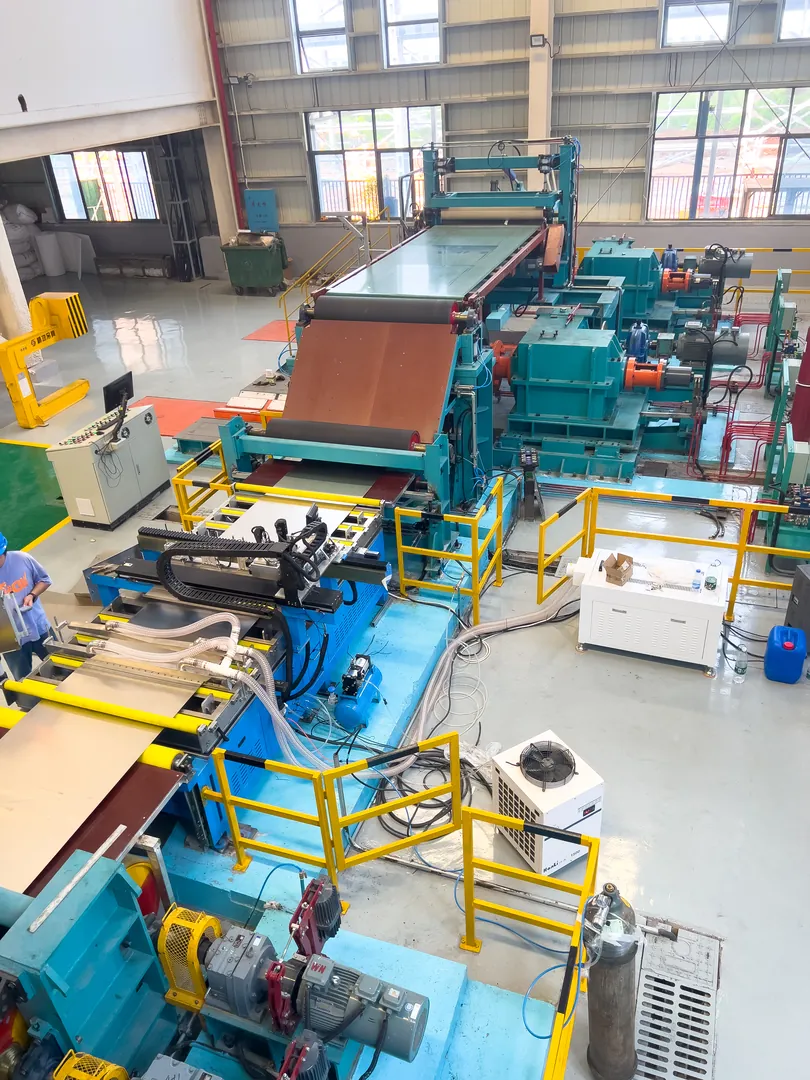
Let's dive deeper into the financial impact. The cost of a finished ton of stainless steel is made up of more than just raw materials and energy. It includes labor, maintenance, and the cost of defects or scrap. A truly efficient furnace impacts all of these areas. When your furnace runs with over 98% uptime, you are maximizing your labor and facility costs. You are producing more finished product in the same amount of time.
Beyond the Utility Bill
The real value is in how efficiency drives down your Total Cost of Ownership (TCO)[^3].
- Reduced Scrap: With precise temperature and atmosphere control, your product qualification rate will exceed 99%. Think about the cost of energy, materials, and labor that goes into a ton of steel that you have to scrap. Eliminating that waste is a huge cost saving.
- Lower Maintenance: Our furnaces are built for durability, with maintenance intervals of 180 days or more. Less frequent downtime means your team spends less time on repairs and more time on production.
This combination of lower direct energy costs and higher operational efficiency is what makes the investment so powerful. It's not just about saving money; it's about creating more value.
What Are the Best Strategies for Optimizing Energy Use?
You've installed a new, efficient furnace. Is that it? No, simply having the equipment isn't enough if your team doesn't use it correctly, leaving potential savings on the table.
The best strategies for optimizing energy use involve leveraging the furnace's built-in technology. This includes mastering the precision control systems, ensuring stable 24/7 operation, and maximizing the heat recovery system's effectiveness through consistent production schedules.
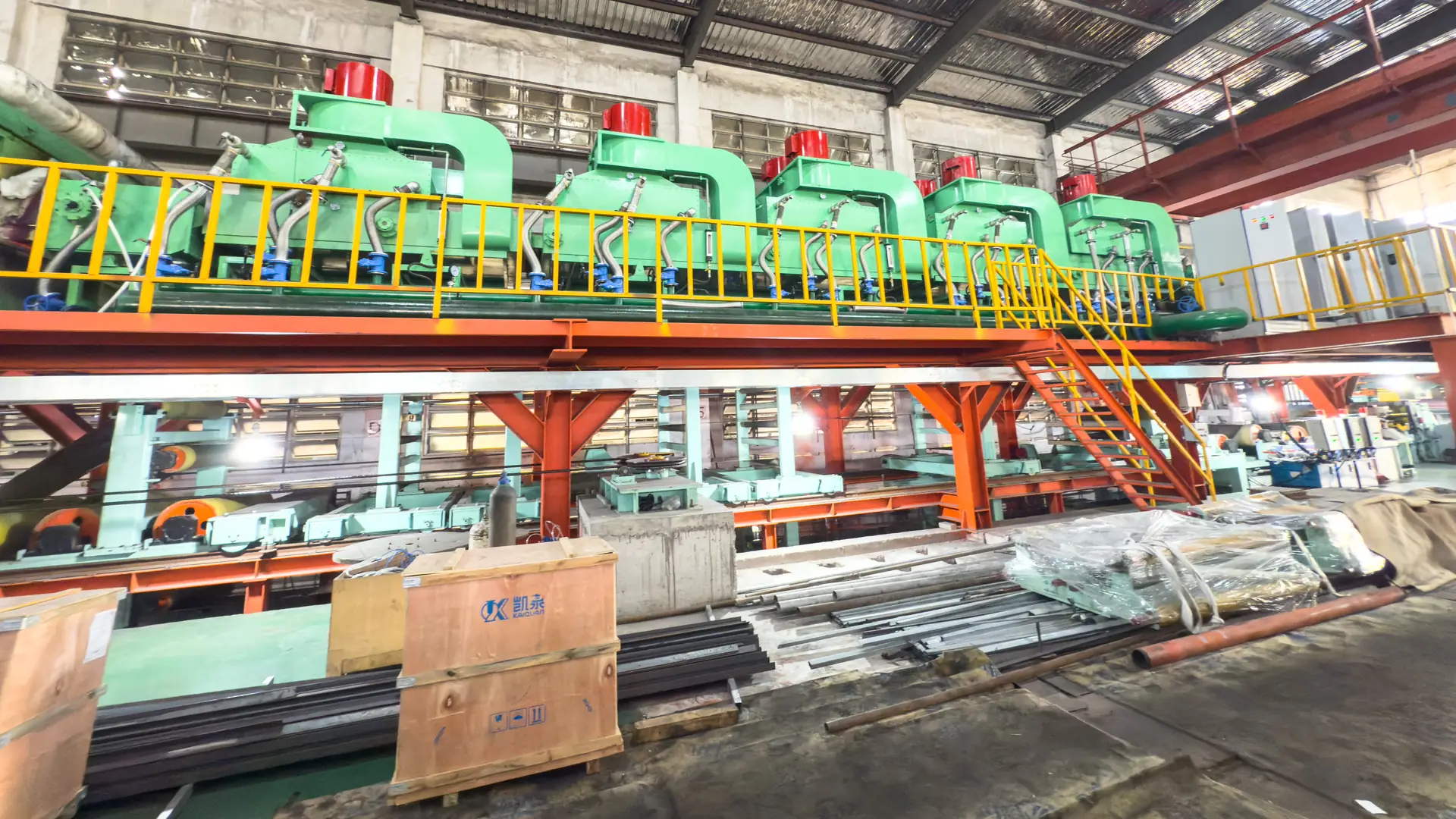
Let's dive deeper. Optimization is an active process. Our furnaces are designed to make it easy, but it requires a strategic approach from your operations team. The number one strategy is to run the furnace as continuously as possible. A furnace is most inefficient during startup and shutdown. By planning your production to enable stable, 24/7 operation, you keep the system in its most efficient state. This is why we design for over 98% uptime.
Leveraging Built-In Features
Your team should be trained to use the furnace's advanced features as a core part of their strategy.
- Automated Control: The fuel/air ratio control is largely automated. The strategy here is to trust the system. Don't let operators manually override settings based on old habits from less efficient equipment. The system knows how to get the most complete combustion.
- Data Monitoring: Use the system's data output to monitor performance. If you see a sudden spike in energy use per ton, it's an early indicator that something needs adjustment. This proactive approach prevents small issues from becoming big, costly problems.
Ultimately, the best strategy is a partnership between your team and ours. We provide the training and support to ensure you're not just using the furnace, but optimizing it.
What Are the Recommended Practices for Maximum Energy Savings?
You have the strategies, but what are the day-to-day actions that guarantee results? Without clear, repeatable practices, even the best strategy can fail to deliver its full potential.
Recommended practices include adhering to a strict maintenance schedule every 180 days, providing ongoing operator training on the control systems, and regularly analyzing production data. This disciplined approach ensures you consistently achieve maximum energy savings and operational efficiency.
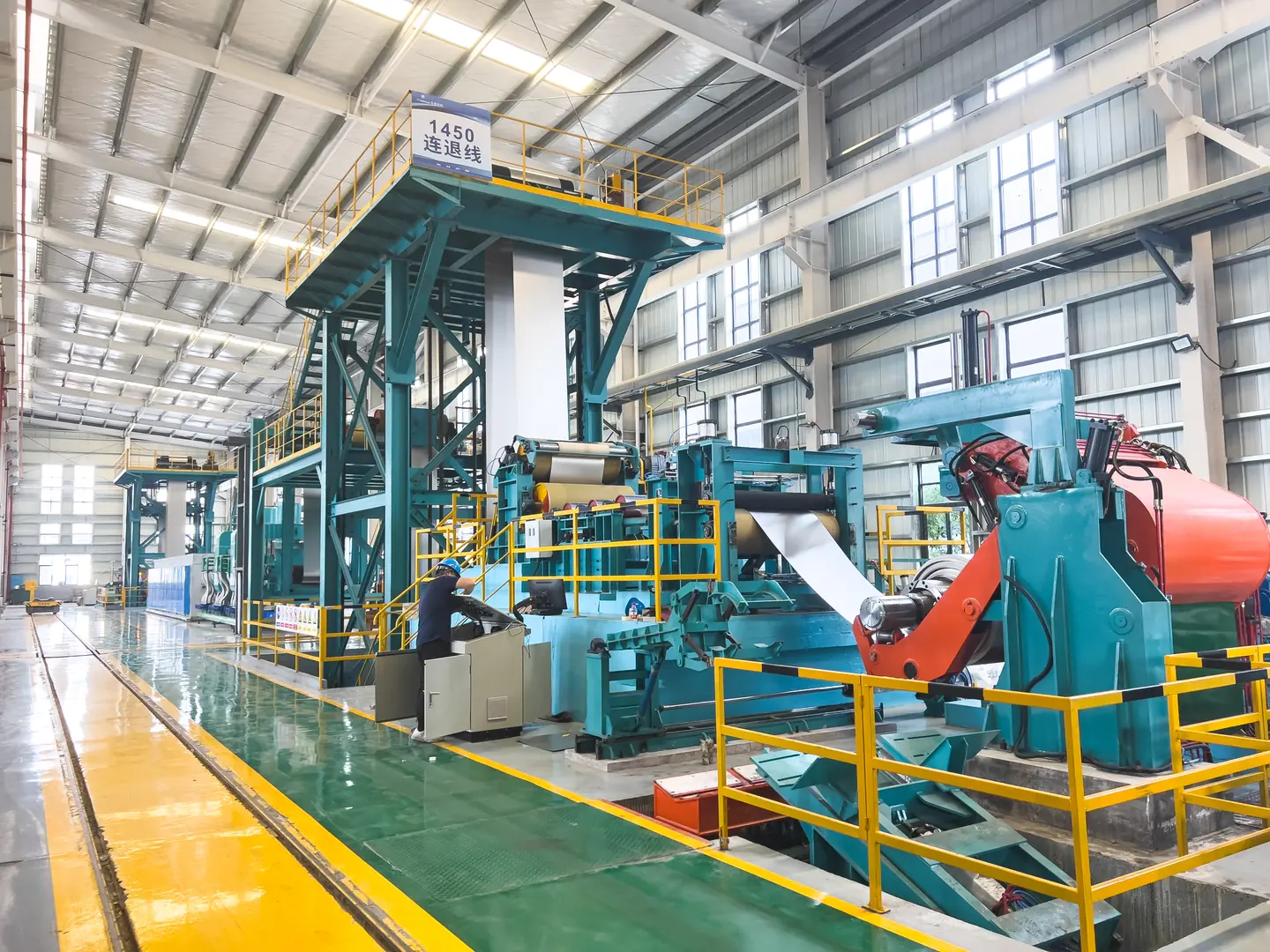
Let's dive deeper into these practices. Think of them as a simple checklist for success. The most important practice is preventative maintenance. Our furnaces are designed for a maintenance interval of 180 days or more. Sticking to this schedule is critical. It prevents unexpected breakdowns and ensures every component, from the burners to the heat recovery system, is operating at peak efficiency. Missing a maintenance cycle to push production might seem like a short-term win, but it will cost you much more in lost efficiency and potential downtime later.
A Checklist for Peak Performance
Here are the simple, actionable practices we provide to every client.
- Operator Training: Technology is only as good as the people who use it. We provide initial training, but we recommend regular refreshers. This ensures your team is always up-to-date on how to use the control systems for maximum benefit.
- Data Review: Make reviewing energy and production data a weekly or monthly habit. Look at the energy consumed per ton of steel. Is it stable? Is it improving? This data tells you a story about your operational health.
| Practice | Frequency | Primary Goal |
|---|---|---|
| Preventative Maintenance | Every 180 Days | Ensure >98% uptime and peak component efficiency |
| Operator Training | Annually | Master control systems for optimal operation |
| Data Analysis | Weekly/Monthly | Proactively identify and correct inefficiencies |
By embedding these practices into your workflow, you transform your furnace from a piece of equipment into a finely tuned engine for profitability.
Conclusion
Choosing an advanced bright annealing furnace is about more than just a single feature. It is a strategic decision. You are investing in lower energy costs, higher productivity, and superior product quality. This is how you build a more resilient and profitable business in a competitive global market.
 English
  Русский