

Are you struggling with high energy costs and inefficient production in your metal processing? We know these challenges can eat into your profits and hinder growth.
My team at AKS and I have developed advanced annealing heat treating equipment[^1] specifically designed to cut gas consumption by 20-40%, significantly lowering operational costs and boosting your bottom line.

So, how exactly does this technology work to deliver such substantial savings? Let's dive deeper into the features, benefits, and strategic advantages that our solutions bring to the industrial manufacturing sector.
What are the key features of advanced annealing heat treating equipment?
Is your current annealing equipment failing to meet modern efficiency and precision standards? Old systems often lead to wasted energy and inconsistent product quality.
Our advanced annealing heat treating equipment boasts energy-efficient design, stable 24/7 operation, and precise control over temperature and atmosphere, ensuring superior performance and reliability.

My team and I have focused on engineering solutions that directly address the core pain points of our clients. Our Bright Annealing Furnaces, for stainless steel (201, 304), copper, brass, and aluminum, are built with a suite of features designed for peak performance. First, we guarantee energy efficiency, consuming 10-17% less gas than many competitors. This isn't just a number; it translates to substantial savings on your utility bills. We also prioritize operational stability, achieving >98% uptime for 24/7 production, which means less downtime and more output for you. Precision is another cornerstone of our design, with temperature control accurate to ±3℃ and atmosphere control maintaining oxygen levels below 10ppm[^2]. This level of precision is critical for preventing oxidation and ensuring high-quality finished products. Furthermore, we understand that every operation is unique. That's why over 70% of our orders are customized, allowing us to tailor solutions to your specific production needs. Finally, our equipment is built for durability, with maintenance intervals of 180 days or more, ensuring long-term industrial use and reduced maintenance costs.
Core Technical Innovations
| Feature | Benefit | Impact on Operations |
|---|---|---|
| Advanced Fuel/Air Ratio Control | Optimal combustion, reduced waste | Direct gas consumption reduction |
| Precision Cooling System | Consistent product quality, faster cycles | Improved throughput, less rework |
| Dual-Layer Heat Recovery | Maximized energy reuse | Lower overall energy footprint |
How does gas consumption reduction impact operational costs?
Are you losing significant profits due to high and unpredictable energy expenses? Unchecked gas consumption directly erodes your bottom line.
Reducing gas consumption by 20-40% directly translates into substantial operational cost savings, freeing up capital for investment and improving your overall profitability.
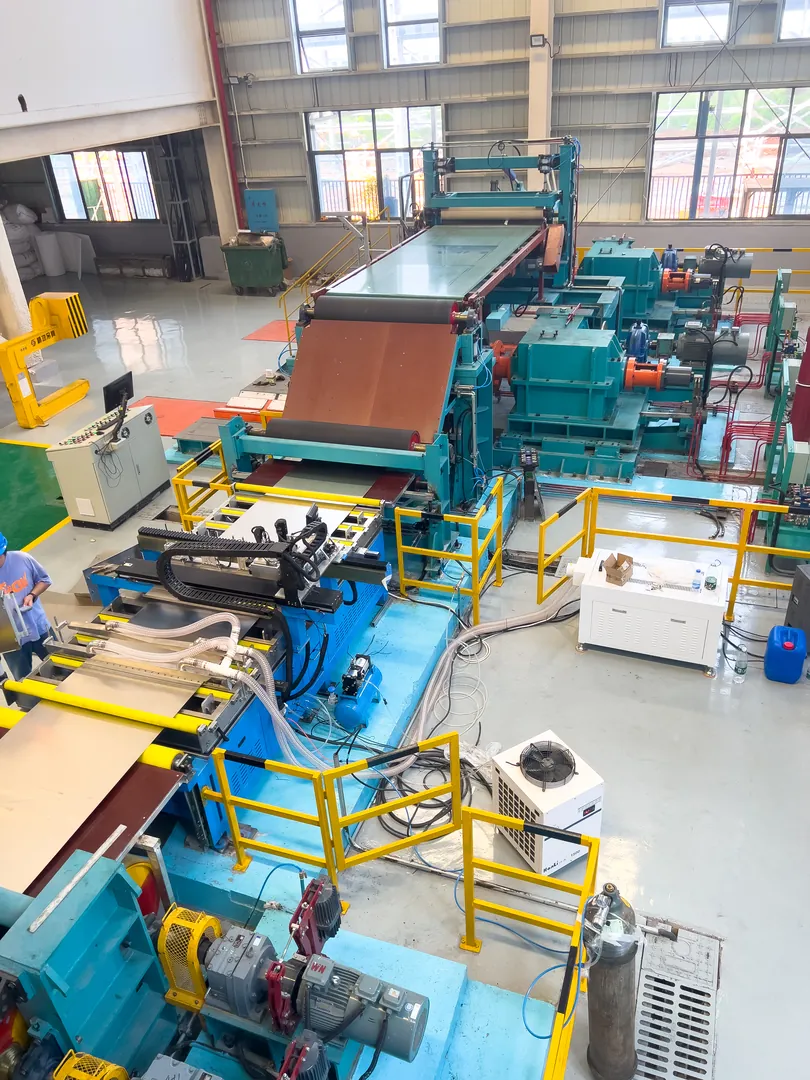
From my perspective as General Manager at AKS, the impact of gas consumption reduction on operational costs is one of the most critical factors for our clients. In the competitive landscape of metal processing, reducing operational costs is paramount. Our advanced annealing heat treating equipment is pivotal in achieving this through a remarkable 20-40% reduction in energy consumption. This efficiency is critical for C-suite executives and technical managers who are under constant pressure to improve ROI and sustainability. The innovation lies in AKS's precise air-gas ratio control system, which ensures complete combustion, thereby reducing gas consumption to 25–27 m³/t—a notable improvement over the industry average of 30+ m³/t. This isn't just about saving fuel; it's about transforming your cost structure. We've seen clients lower their energy costs by 20-40% annually, which directly boosts their profit margins. This translates to a stronger competitive position in the market. Beyond the direct savings, the reduced energy footprint also contributes to a more sustainable operation, which is increasingly important for brand image and compliance. This positions companies to not only thrive in current markets but also to lead in future-ready, environmentally-conscious business practices.
Long-Term Financial Gains
- Reduced Overhead: Lower monthly utility bills mean more capital available.
- Enhanced Competitiveness: Ability to offer more competitive pricing due to lower production costs.
- Improved ROI: Faster payback periods on equipment investment.
What factors contribute to achieving a 20% reduction in gas usage?
Are you wondering how a 20% reduction in gas usage is truly attainable, not just a marketing claim? Many systems promise efficiency but fail to deliver concrete results.
Our 20% gas reduction is achieved through advanced fuel/air ratio control[^3], precision cooling, and dual-layer heat recovery system[^4]s, all working in synergy for maximum efficiency.
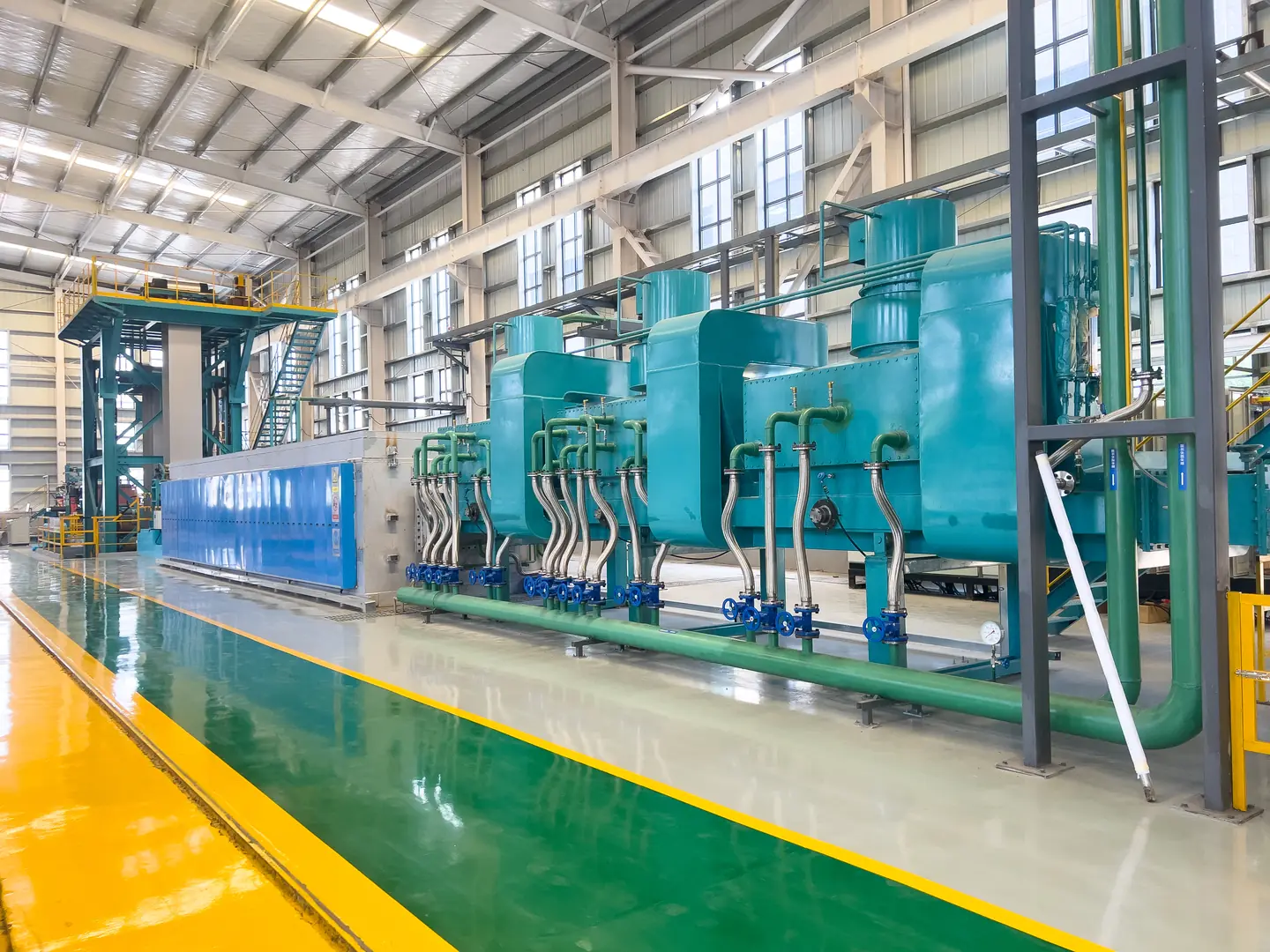
Achieving a significant 20% or even 40% reduction in gas usage isn't a single magic bullet; it's the result of carefully integrated technical innovations that my team and I have developed. The primary driver is our advanced fuel/air ratio control system. This innovation ensures that the fuel and air are mixed in optimal proportions for complete combustion, minimizing wasted gas and maximizing heat transfer efficiency. This precision is what allows us to achieve gas consumption rates as low as 25–27 m³/t, a significant improvement over the industry average which can be 30 m³/t or more. Coupled with this is our precision cooling system, which rapidly and efficiently cools the product after annealing. This not only speeds up the production cycle but also prevents heat loss during the cooling phase from impacting the overall energy balance. Another crucial component is our dual-layer heat recovery system. Instead of simply venting hot exhaust gases, we capture and reuse that heat within the furnace system. This preheats incoming air or materials, reducing the energy needed for the primary heating stage. These technologies, combined with the stable 24/7 operation and precise temperature/atmosphere control, create a holistic system where every component contributes to minimizing energy waste and maximizing output.
Technical Breakdown of Savings
| Component | Contribution to Savings | Specific Impact |
|---|---|---|
| Advanced Fuel/Air Control | Optimizes combustion efficiency | Reduces raw gas input for same heat output |
| Dual-Layer Heat Recovery | Recycles waste heat | Lowers energy demand for initial heating |
| Optimized Insulation | Minimizes heat loss to environment | Maintains stable internal temperatures with less energy |
| Precise Temperature Control | Prevents over-firing and energy spikes | Consistent process with minimal energy fluctuation |
What measures can be implemented to further optimize energy efficiency?
Are you wondering if there are additional steps to take beyond equipment upgrades to truly maximize energy efficiency? Simply installing new machinery isn't always the complete solution.
Beyond advanced equipment, optimizing energy efficiency involves regular maintenance, operator training, and integrating smart monitoring systems[^5] to continuously track and refine performance.

While our advanced annealing furnaces provide a foundational leap in energy efficiency, my experience tells me that true optimization comes from a holistic approach. We always recommend several measures to our clients to further enhance their energy savings. First, regular and preventive maintenance is absolutely critical. Even the most advanced systems can lose efficiency if not properly maintained. We design our furnaces for maintenance intervals of 180 days or more, but adhering to this schedule, checking for leaks, calibrating sensors, and cleaning components ensures that the equipment consistently operates at its peak. Second, investing in comprehensive operator training is vital. Well-trained operators can identify inefficiencies, optimize process parameters, and react quickly to prevent energy waste. My team offers technical service and support to ensure your staff are proficient. Third, integrating smart monitoring and control systems allows for real-time data analysis of energy consumption. This data can pinpoint areas for further improvement, identify trends, and even predict potential issues before they lead to energy losses or downtime. Finally, considering process integration and layout optimization within your facility can also yield significant gains. Streamlining material flow and minimizing heat loss during transfers can contribute to overall system efficiency. It's about creating an ecosystem where efficiency is embedded at every level of operation.
Holistic Efficiency Strategies
- Preventive Maintenance: Regular checks and calibration of sensors, burners, and insulation.
- Operator Training: Empowering staff to understand and optimize furnace controls and processes.
- Data Analytics: Using real-time data to identify energy consumption patterns and areas for improvement.
- Process Integration: Optimizing the entire production line to minimize energy waste between stages.
What are the recommendations for industries seeking to reduce gas consumption?
Are you in the metal processing industry and feeling overwhelmed by the pressure to reduce gas consumption and operational costs? The path forward might seem unclear.
My recommendation for industries seeking to reduce gas consumption is to invest in advanced, energy-efficient annealing equipment like ours, prioritize operator training, and implement robust maintenance and monitoring protocols.

For procurement managers, production line engineers, and C-level decision-makers in the metal processing industry – whether you're processing stainless steel coils, copper, brass, or aluminum foil – my primary recommendation is clear: strategically invest in advanced heat treatment technology. Look for solutions that offer quantifiable benefits, not just promises. Our Bright Annealing Furnaces, for instance, are not just about burning less gas; they are about delivering a complete solution that lowers energy costs by 20-40%, boosts annual production by over 10%, and achieves product qualification rates over 99%. This is achieved through our technical innovations like advanced fuel/air ratio control, precision cooling, and dual-layer heat recovery. Furthermore, consider the long-term total cost of ownership, not just the initial purchase price. A furnace with a higher upfront cost but significantly lower operating expenses and longer maintenance intervals will provide a much better ROI over its lifespan. My team at AKS is committed to providing not just equipment, but integrated R&D, design, manufacturing, sales, and technical service. We customize over 70% of our orders because we understand that off-the-shelf solutions rarely fit complex industrial needs. We address your pain points: high energy consumption, production instability, poor product quality, and frequent downtime. By partnering with us, you're not just buying a furnace; you're investing in a strategic advantage that will make your operations more competitive, sustainable, and profitable.
Strategic Investment Checklist
- Quantifiable ROI: Seek equipment with proven energy savings and production boosts.
- Customization Options: Ensure the solution can be tailored to your specific process and materials.
- After-Sales Support: Look for comprehensive technical service and maintenance backing.
- Proven Track Record: Partner with manufacturers who have a history of delivering on their promises.
Conclusion
My team and I at AKS are dedicated to helping the metal processing industry thrive. By adopting advanced annealing technology, prioritizing efficiency, and embracing smart operational strategies, companies can significantly reduce gas consumption, lower costs, and enhance product quality and productivity. This strategic shift ensures competitiveness and sustainability in today's demanding market.
 English
  Русский