
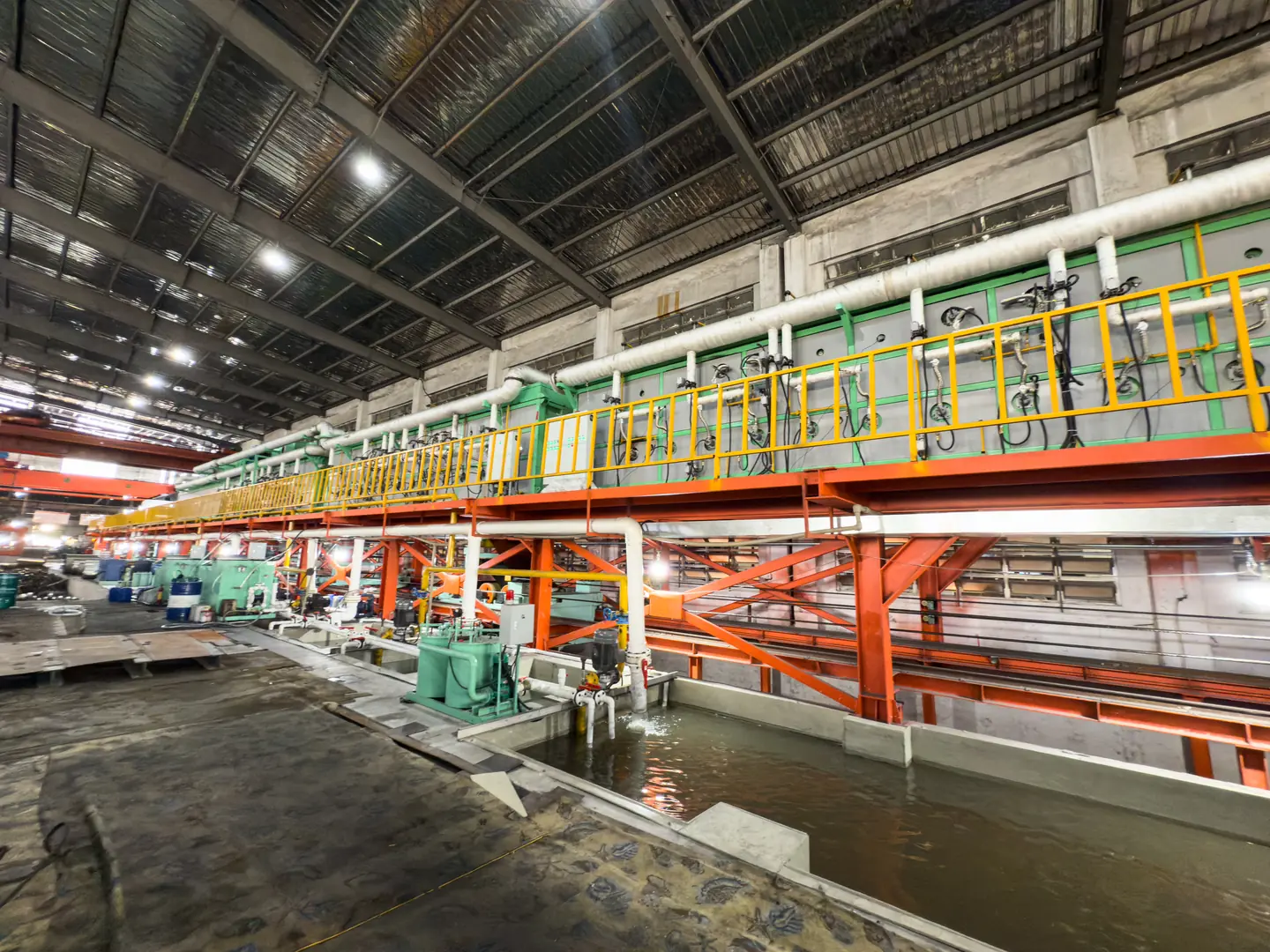
Confusing quenching and hardening can lead to buying the wrong furnace. This costly mistake wastes energy, forces rework, and causes unnecessary downtime. Understanding the difference is your first step.
Yes, there is a critical difference. Hardening is the entire heat treatment process used to increase a metal's hardness. Quenching is the specific, rapid cooling step within the hardening process. Think of hardening as the goal and quenching as a key method to achieve it.
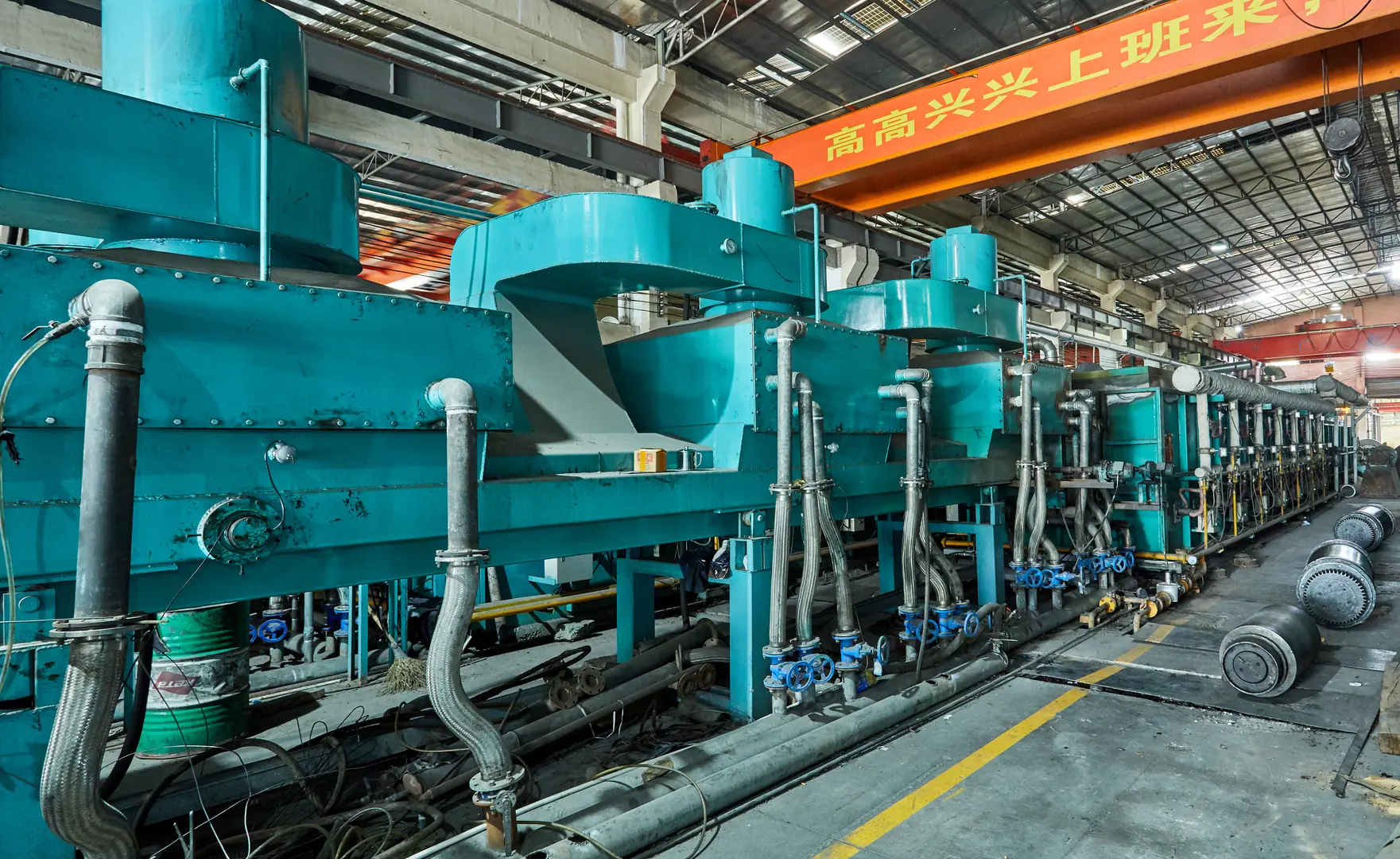
In my experience as General Manager at AKS, I've seen how this simple misunderstanding can impact a company's entire production line. Getting it right from the start saves money and improves your final product. Let's break down what this means for your furnace choice.
What Are the Basic Differences Between Quenching and Hardening?
People in our industry often use these terms interchangeably. This creates confusion in technical specifications and can lead to process errors. Let's set the record straight for good.
Hardening is the complete process—heating, soaking, and cooling—to make a metal harder. Quenching is just one part of that process: the rapid cooling phase. One is the overall strategy, and the other is a critical tactic used to execute it.
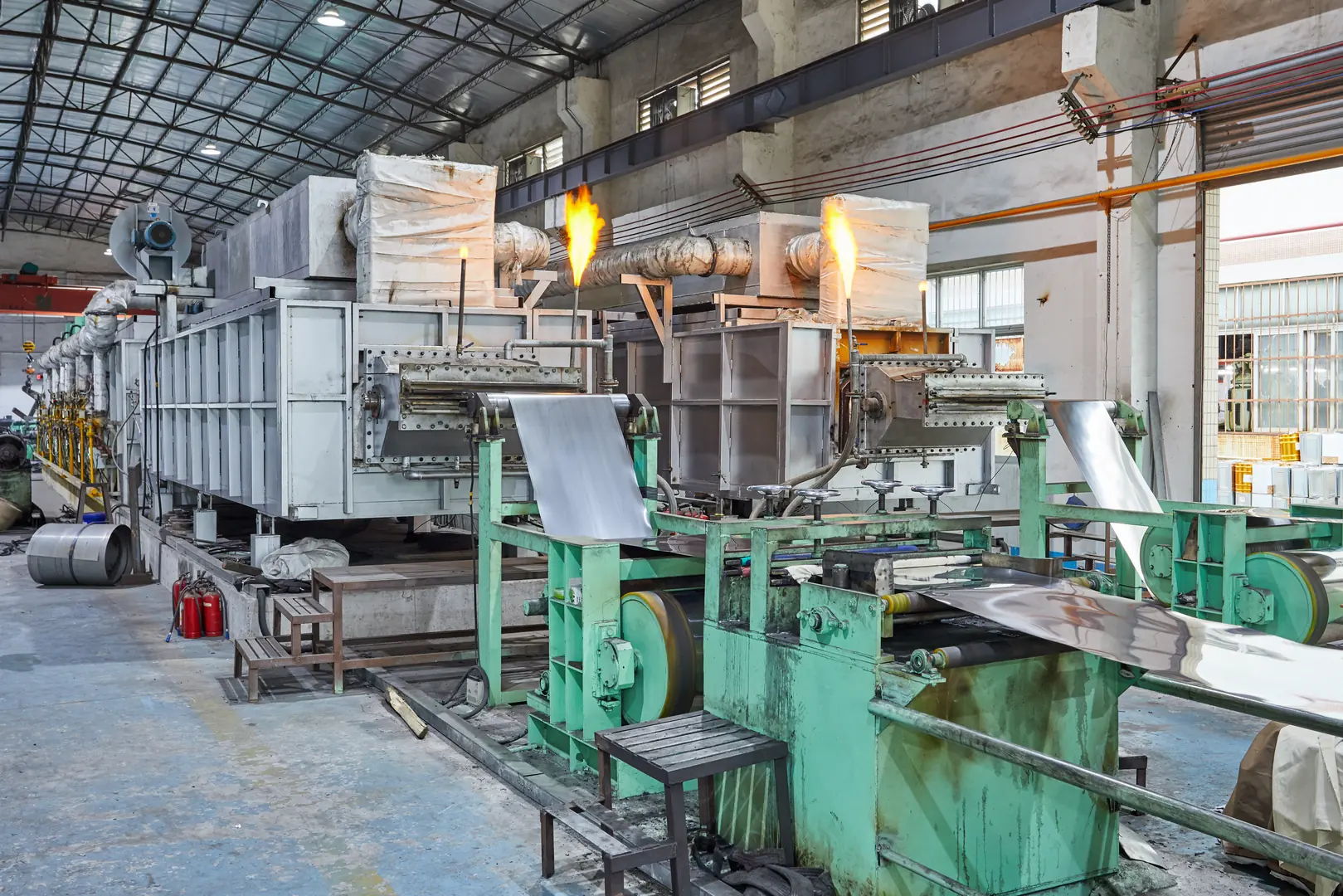
Let's dive deeper. The distinction is not just academic; it directly influences the kind of equipment you need. Hardening requires a furnace capable of precise heating, while quenching demands a system that can cool parts down at a specific, rapid rate.
The Hardening Process Explained
Hardening isn't a single action. It’s a sequence. First, we heat the metal to a very specific temperature, known as the austenitizing temperature. We hold it there until its internal structure is uniform. Then, we cool it. The entire procedure is designed to change the metal's crystalline structure to make it stronger. The success of the entire hardening process depends on precise control at every stage, especially temperature. Our furnaces at AKS are built to maintain temperature stability within ±3℃, which is essential for this first stage.
The Quenching Stage
Quenching is the most dramatic part of hardening. It's all about speed. By cooling the metal rapidly, we "lock in" the hard, strong structure (called martensite) we created during heating. If you cool too slowly, you get a softer, weaker material. This is why the furnace's cooling system is just as important as its heating system. The choice of quenching medium—like oil, water, or even air—depends on the metal and the desired outcome.
| Feature | Hardening | Quenching |
|---|---|---|
| Definition | The entire process to increase hardness | The rapid cooling step in hardening |
| Scope | Heating, Soaking, and Cooling | Only the Cooling stage |
| Objective | Achieve a specific level of hardness | "Freeze" a high-temperature structure |
| Key Variable | Temperature, Time, Cooling Rate | Cooling Rate, Quenching Medium |
What Are the Current Practices in Industrial Heat Treatment?
Using outdated heat treatment methods is a recipe for failure. These old practices waste huge amounts of energy and produce inconsistent parts. Modern heat treatment is all about precision and efficiency.
Today’s best practices focus on three things: extreme energy efficiency, precise control over temperature and atmosphere, and automation. The goal is to get repeatable, high-quality results while driving down operating costs.

At AKS, we design our equipment around these modern principles. We believe a furnace isn't just a hot box; it's a precision instrument that should make your business more profitable and competitive.
Emphasis on Energy Efficiency
Energy is one of the biggest operational costs in metal processing. Old furnaces are notoriously inefficient. Modern designs, like ours, incorporate advanced technology to combat this. We use things like a dual-layer heat recovery system and advanced fuel/air ratio controls. This isn't just a small improvement. Our clients regularly see their energy costs drop by 20-40%. That money goes directly back to your bottom line, month after month. It proves that investing in efficient technology pays for itself quickly.
The Rise of Automation and Control
Consistency is everything. You need every part to meet spec, every time. This is impossible without precise control. Modern furnaces use sophisticated systems to manage temperature and atmosphere. For example, we guarantee temperature control within ±3℃ and an oxygen level below 10ppm. This level of precision prevents oxidation and surface defects, pushing product qualification rates over 99%. Automation ensures these perfect conditions are maintained 24/7, which is how our clients achieve over 98% operational uptime.
What Are the Main Challenges in Choosing the Right Furnace?
Choosing a new industrial furnace is a major capital investment. The wrong decision can saddle you with high operating costs and production problems for years. Knowing the common pitfalls is the key to avoiding them.
The biggest challenges are balancing the initial purchase price with long-term running costs, ensuring the furnace truly meets your specific material needs, and finding a supplier who offers genuine technical partnership and customization.
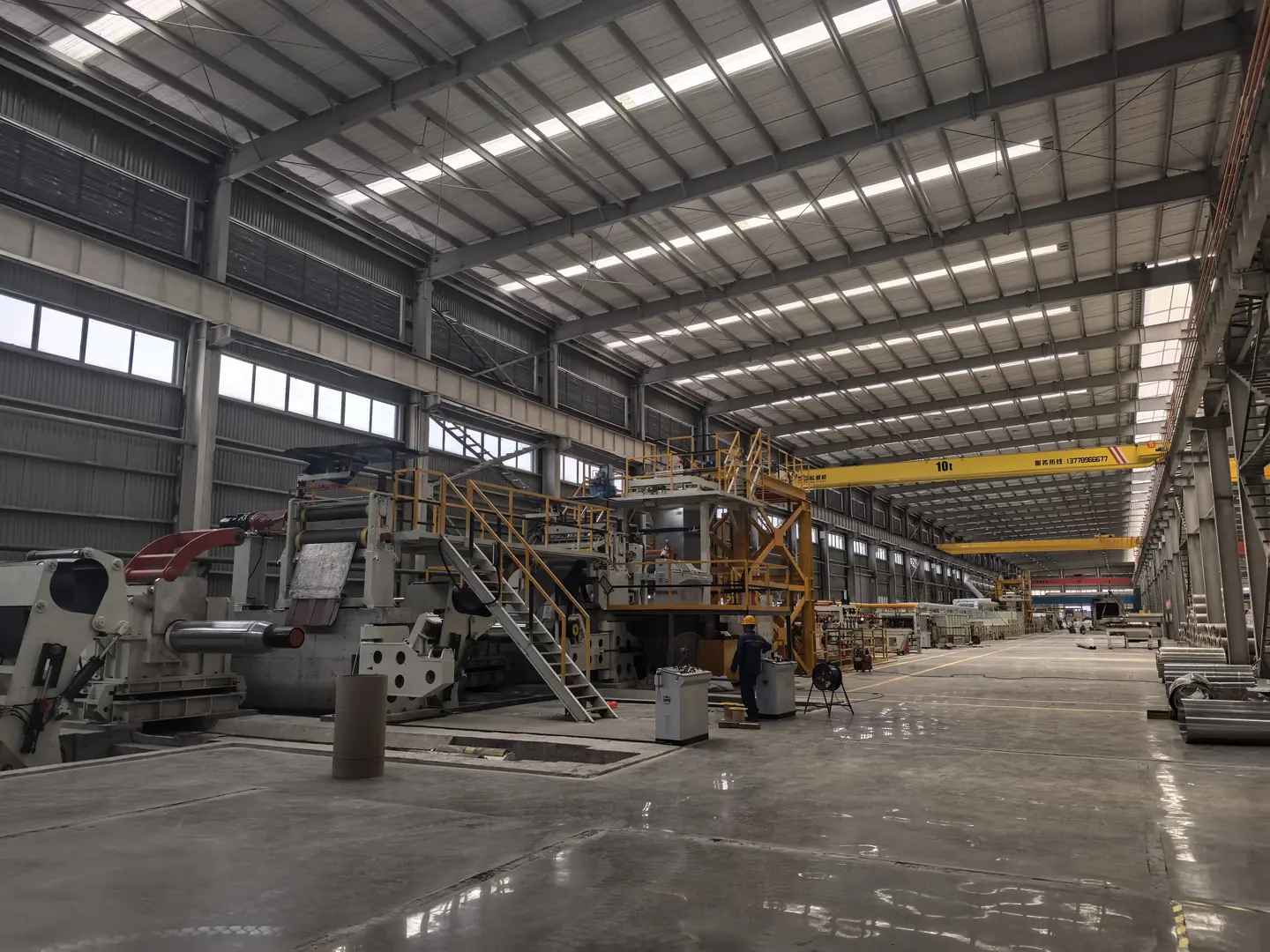
I've talked to hundreds of managers who regret focusing only on the sticker price. A furnace is a long-term asset, and its total cost of ownership is what really matters for your business.
Balancing Capex and Opex
The cheapest furnace is rarely the least expensive one to own. A low upfront cost can hide high energy consumption and frequent maintenance needs. When you evaluate a furnace, you must look at the operational expenditure (Opex). A furnace from AKS might have a higher initial cost, but it lowers energy bills by 20-40% and runs for at least 180 days between scheduled maintenance. This reliability and efficiency deliver a much lower total cost of ownership and a faster return on investment.
Meeting Specific Process Needs
There is no one-size-fits-all furnace. Different alloys and part geometries require different heating and cooling profiles. A standard, off-the-shelf unit often fails to meet these specific needs, leading to poor quality. This is a major pain point we solve. Over 70% of the furnaces we build are customized. We work with clients to design a solution that is perfectly tuned to their materials and production goals, ensuring they get the performance they need.
What Are the Best Strategies for Selecting an Industrial Furnace?
The market is crowded with options, and it's easy to get lost in datasheets. A better approach is to step back and focus on what truly matters. Base your decision on performance, total cost, and partnership.
The best strategy is to perform a Total Cost of Ownership (TCO)[^1] analysis, not just a price check. Match the technical specs to your production goals, and select a true manufacturing partner, not just a vendor.

When you buy a furnace, you are buying a core piece of your production capability for the next decade or more. The decision deserves a strategic approach, not just a simple procurement process.
Conduct a TCO Analysis
Total Cost of Ownership includes the purchase price, installation, energy costs, maintenance, consumables, and the cost of downtime. When you look at it this way, the most valuable furnace becomes clear. For instance, our equipment's ability to boost annual production by over 10% due to its reliability (>98% uptime) is a massive factor in its TCO. It produces more, for less cost, over its entire lifespan.
Align Specs with Production Goals
Don't buy features; buy outcomes. If your primary goal is to increase output, then focus on specs like monthly capacity and uptime. Our furnaces can process over 10,000 tons per month. If your goal is to enter a market with higher quality standards, then focus on precision temperature and atmosphere control. By defining your business goal first, you can easily filter which technical specifications are most important for you. [Insert anecdote about a client's success in reducing defects].
What Are Our Technical Recommendations for Optimal Furnace Performance?
You've bought the right furnace, but you're not getting the results you expected. This means you aren't getting the full return on your investment. The solution is to focus on the technical fundamentals.
For peak performance, we recommend focusing on three technical pillars: absolute precision in temperature and atmosphere control, an efficient and well-designed cooling system, and a proactive, data-driven maintenance plan.
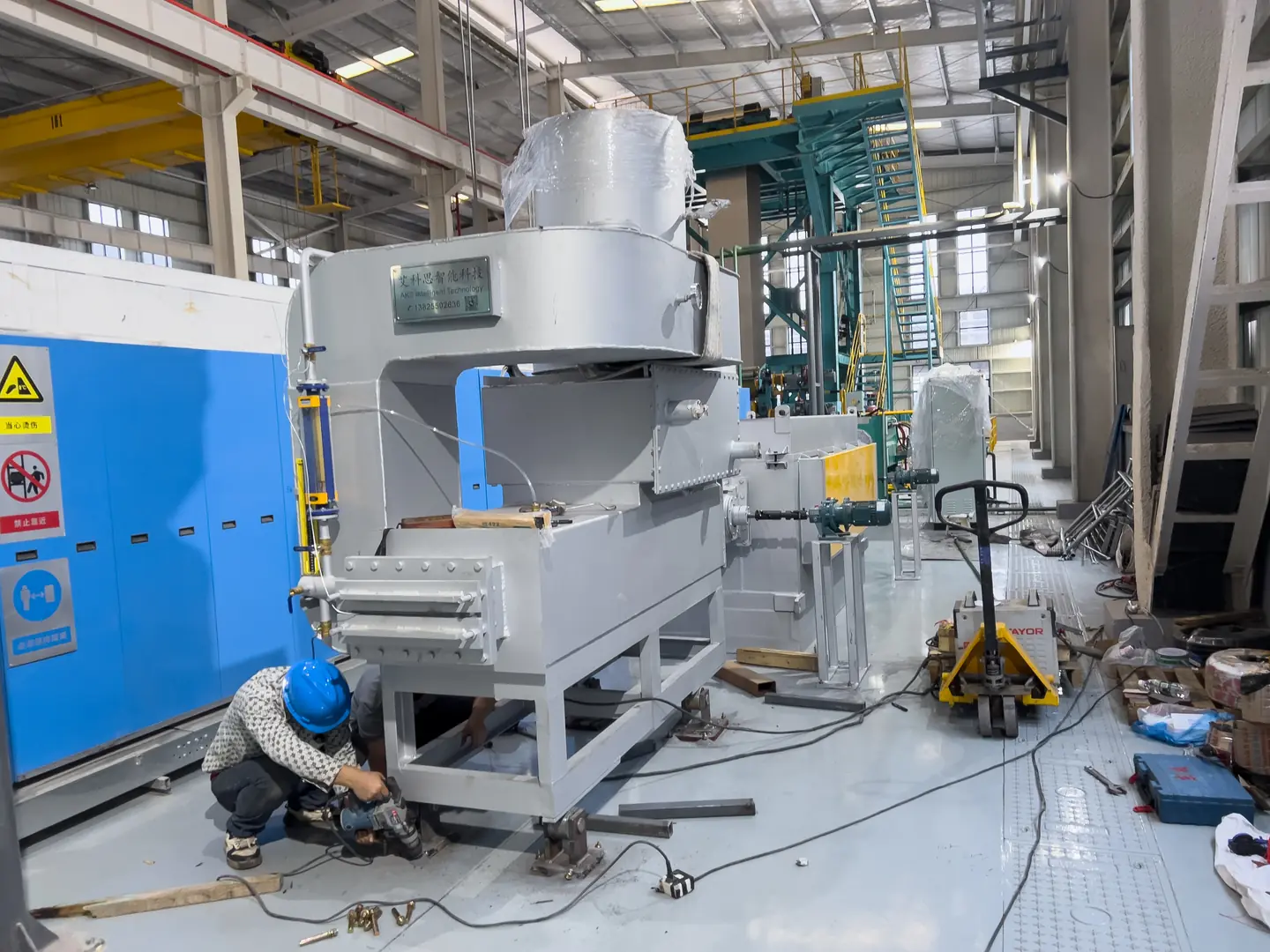
These three areas work together as a system. A weakness in one will compromise the other two. Getting them all right is the key to unlocking consistent, high-quality, and cost-effective production.
Precision Control Systems
For hardening, hitting the exact austenitizing temperature is non-negotiable. Being off by even a few degrees can ruin a batch. That's why our systems maintain a tight tolerance of ±3℃. Just as important is the atmosphere. An oxygen level below 10ppm prevents scale and decarburization, ensuring the final product has a clean, bright surface and the desired metallurgical properties. This level of control is the foundation of quality.
Advanced Cooling Technology
This brings us back to quenching. The cooling system isn't an afterthought; it's a critical component. An advanced, precision cooling system allows you to control the cooling rate to match the specific needs of the metal. This ensures you achieve maximum hardness without introducing internal stresses that can cause cracking or distortion. It's the difference between a high-yield process and one that produces a lot of scrap. Our furnaces are designed with this in mind, providing the control needed for a successful quench every time.
Conclusion
Understanding the difference between hardening and quenching is essential for choosing the right furnace. Hardening is the entire process; quenching is the critical rapid cooling step. This distinction should guide your focus toward furnaces that offer precision control, superior energy efficiency, and a low total cost of ownership.
 English
  Русский