
Are your steel annealing results inconsistent and hurting your bottom line? This leads to wasted material, production delays, and lost profits, making it impossible to compete effectively.
Yes, achieving optimal results in full annealing is entirely possible with modern furnace technology. The key is using a furnace that provides precise control over temperature and atmosphere, which directly improves steel quality, boosts product qualification rates to over 99%, and significantly lowers operating costs.
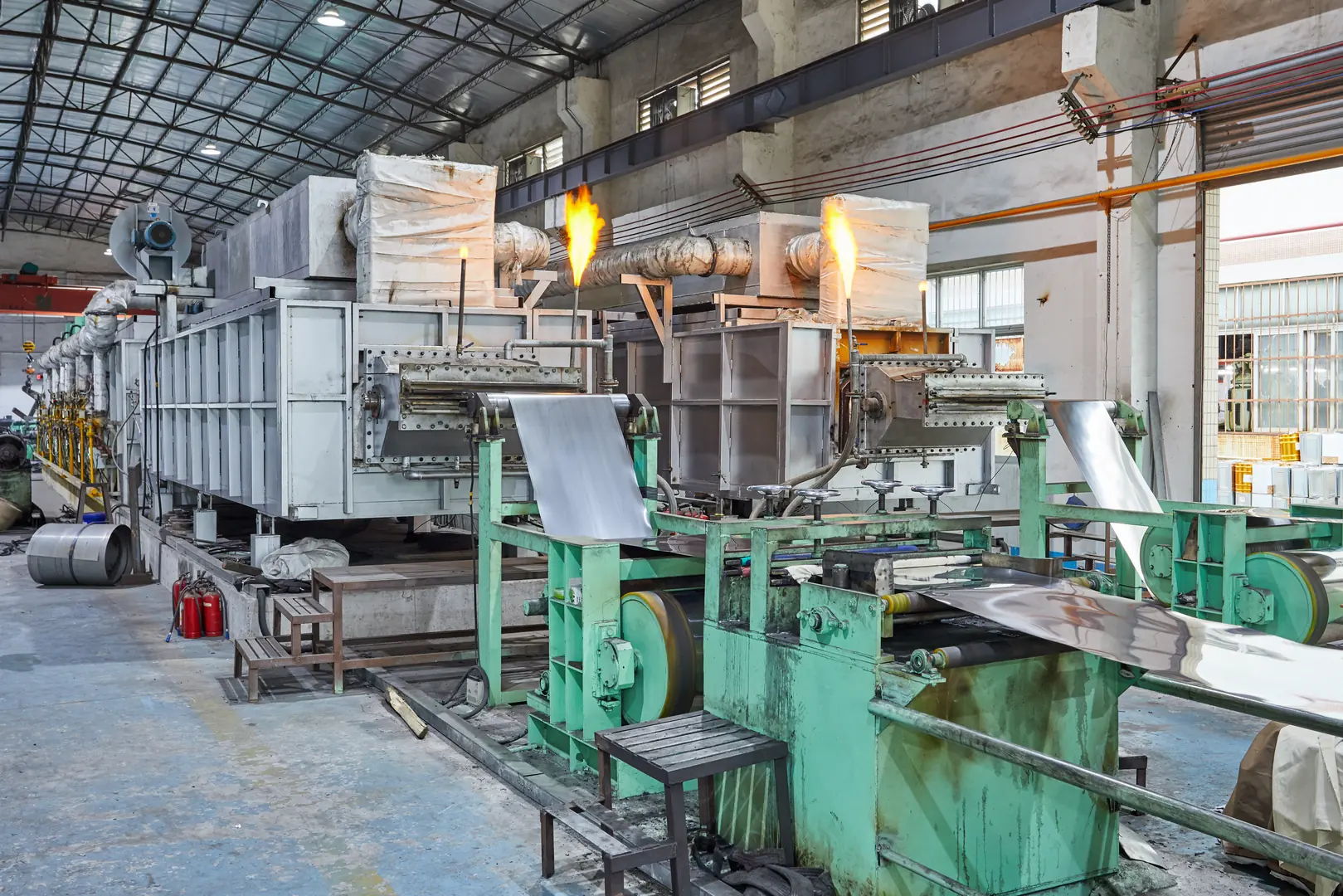
In my years as General Manager at AKS, I've seen firsthand how the right equipment transforms an entire operation. It’s not just about heating and cooling metal; it's about doing it with precision and efficiency. Let's dive deeper into how you can achieve these results for your business.
How Do You Understand the Process of Full Annealing in Steel Treatment?
The term "full annealing" can sound academic and complex. But misunderstanding the fundamentals often leads to poor material properties, defects, and costly rework. The solution is knowing it's a simple three-step process.
Full annealing is a heat treatment process where steel is heated above its critical temperature, held there for a specific time, and then cooled very slowly. This refines the grain structure, making the steel softer and more ductile for future processing.

Let's break this down further. At AKS, we design our furnaces around mastering these three critical stages. It's the foundation for achieving perfect results every time.
The Heating Stage
First, you heat the steel to a temperature above its upper critical point. For most steels, this is typically in the range of 800-950°C. The goal here is to transform the steel's internal grain structure, or microstructure, into a uniform state called austenite[^1]. A modern furnace must achieve this temperature evenly across the entire steel coil or part. Uneven heating is a primary cause of inconsistent final properties.
The Soaking Stage
Once the steel reaches the target temperature, it's held there. We call this "soaking." The duration of this stage is critical. It must be long enough for the heat to penetrate the entire cross-section of the material and for the transformation to austenite to complete. Too short, and you get an incomplete transformation. Too long, and you risk excessive grain growth, which can make the material brittle.
The Cooling Stage
This is arguably the most important step in full annealing. The steel must be cooled very, very slowly, typically within the furnace itself. This slow cooling allows the uniform austenite structure to transform into a soft, coarse pearlite structure. This is what gives the steel its desired softness and ductility. Fast cooling would result in a harder, less workable material, defeating the purpose of the process.
What Are the Current Advancements in Furnace Technology for Annealing?
Are you still using old, inefficient furnaces? These legacy systems are notorious for high energy consumption and producing inconsistent quality, directly eating into your profits. Today’s furnaces are smarter, more efficient, and offer unparalleled control.
Current advancements focus on precision control and energy efficiency. Key innovations include advanced fuel/air ratio systems, dual-layer heat recovery, and precise atmosphere management that maintains oxygen levels below 10ppm for a perfect, bright finish on the steel.

The technology we build into our AKS furnaces is a direct response to the market's need for higher performance and lower costs. Here’s what sets modern equipment apart.
Precision Control Systems
The biggest leap forward is in digital control. Our furnaces maintain temperature uniformity to within ±3℃. This level of precision was unimaginable a decade ago. It ensures that every part of the steel coil undergoes the exact same thermal cycle, eliminating inconsistencies. Equally important is atmosphere control. By using a hydrogen protective atmosphere and advanced sensors, we can keep oxygen content below 10ppm. This prevents surface oxidation, resulting in a bright, clean finish that often eliminates the need for post-processing steps like acid pickling.
Energy Efficiency Innovations
Energy is one of the biggest operational costs in heat treatment. That's why our R&D has focused heavily on efficiency. Our furnaces feature a dual-layer heat recovery system that captures waste heat from the exhaust flue and uses it to preheat combustion air. Combined with an advanced fuel/air ratio control system, our furnaces use 10-17% less gas than competing models. For our clients, this translates directly into 20-40% lower energy costs.
Reliability and Uptime
A furnace doesn’t make you money if it’s not running. Modern furnaces are designed for industrial reality. We engineer our equipment for stable, 24/7 operation, achieving greater than 98% uptime. We also use durable components and smart design to extend maintenance intervals to 180 days or more. This means more production hours and less downtime.
What Are the Challenges Faced in Achieving Optimal Annealing Results?
You're running your annealing line, but the results are all over the map. This leads to surface oxidation, poor ductility, and high rejection rates, damaging both your schedule and your reputation. These common challenges have clear, solvable root causes.
The main challenges are inconsistent temperature, poor atmosphere control leading to oxidation, and high energy consumption. These issues directly impact product quality, increase operational costs, and cause unpredictable production downtime, hurting your bottom line.
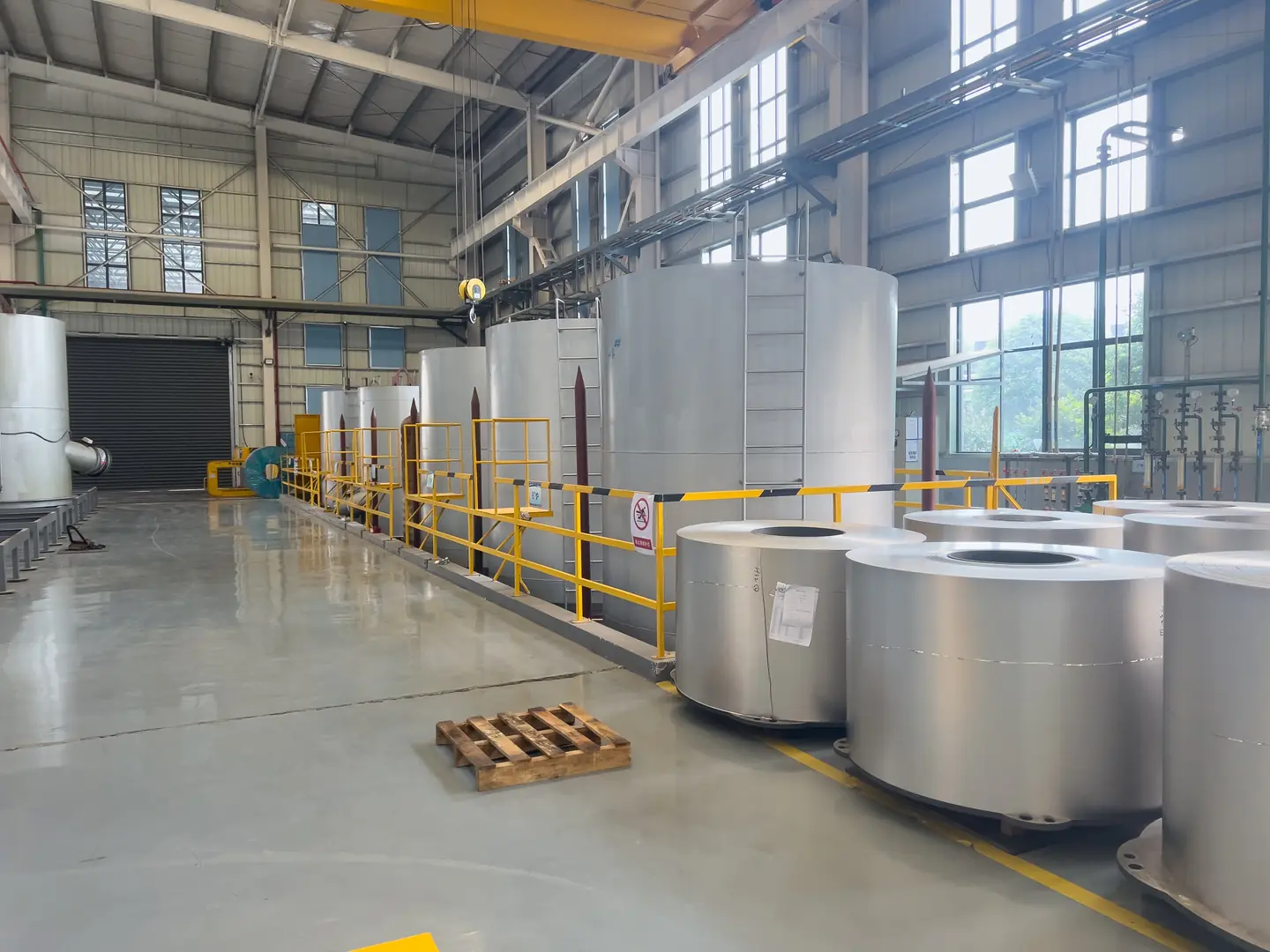
I speak with plant managers every week, and these are the problems that keep them up at night. They are not just technical issues; they are business issues.
The Battle Against Oxidation
Oxidation is the enemy of quality in steel annealing. When oxygen is present in the furnace atmosphere at high temperatures, it reacts with the steel surface, creating a layer of scale. This ruins the bright finish, can require costly and hazardous acid cleaning, and leads to material loss. Many older furnaces simply can't maintain a pure enough atmosphere. This is why achieving an oxygen level below 10ppm is a critical performance benchmark for modern equipment.
The Cost of Inefficiency
Running an industrial furnace is expensive. High energy consumption is a constant drain on profitability. A furnace with poor insulation, an inefficient burner system, or no heat recovery is like a car with a fuel leak—it gets you there, but at a huge, unnecessary cost. This inefficiency not only inflates your utility bills but also makes your operation less sustainable and less competitive in a cost-sensitive global market.
The Problem of Downtime
Production instability is a massive challenge. When a furnace requires frequent repairs, has long startup times, or produces inconsistent batches that need to be re-run, your entire production schedule is thrown off. This unpredictability makes it difficult to meet customer deadlines and manage inventory.
| Challenge | Impact of Old Technology | Solution with AKS Technology |
|---|---|---|
| Oxidation | High product rejection rate, >5% | Qualification rate >99% (<10ppm O2) |
| Energy Cost | High, unpredictable operational expense | 20-40% lower energy costs |
| Downtime | Frequent, unscheduled stops | >98% uptime, ≥180 day maintenance interval |
What Are the Strategies to Overcome Annealing Challenges with Modern Technology?
You know the challenges, but what is the path to solving them? Sticking with old methods means you are actively choosing to accept waste, high costs, and inconsistent quality. The right technology provides a direct, strategic solution.
Overcome these challenges by investing in furnaces with precise temperature and atmosphere control, integrated heat recovery systems, and robust construction for 24/7 operation. This strategy directly tackles oxidation, high energy costs, and instability, boosting your qualification rate above 99%.
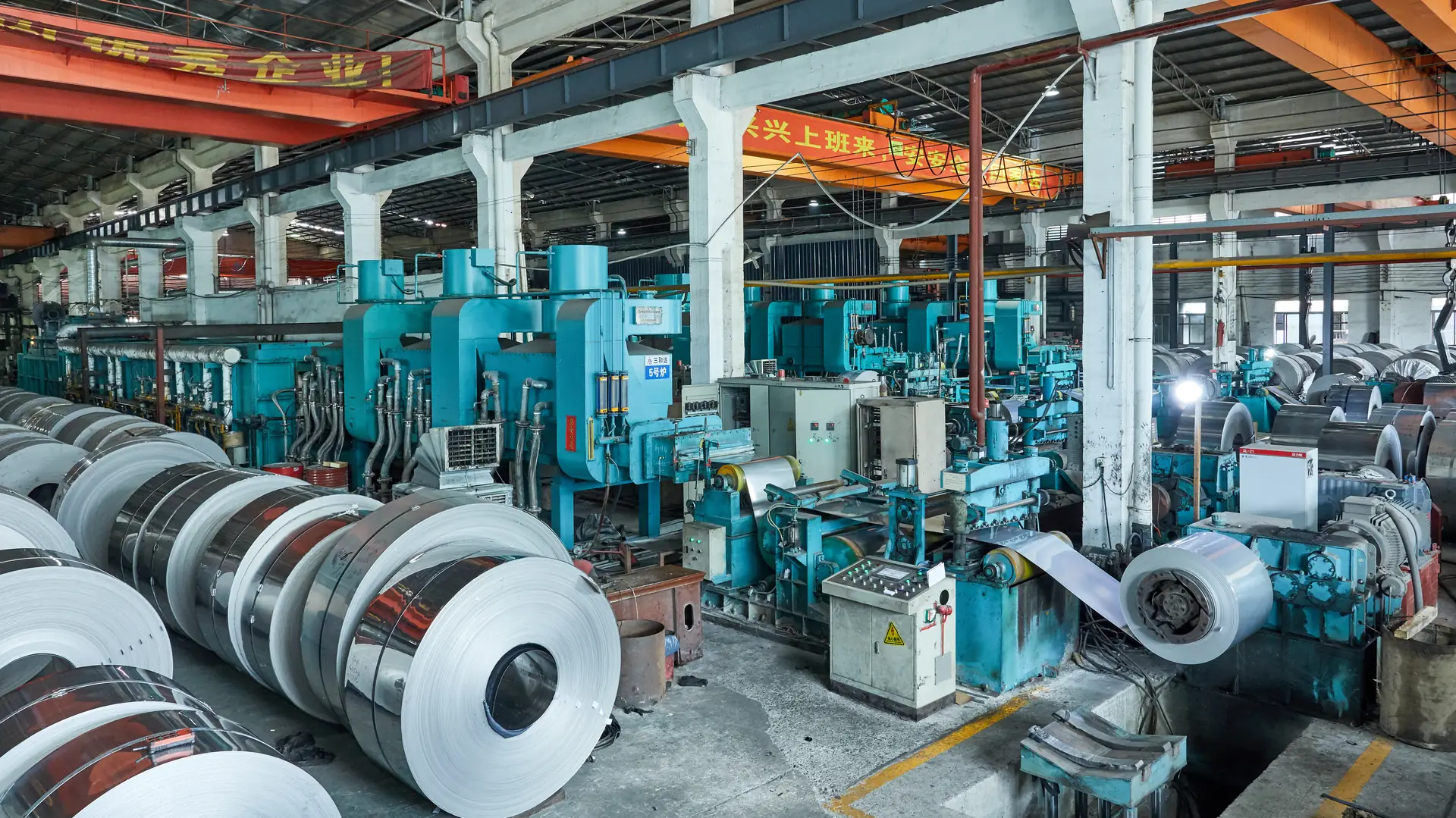
The solution isn't a secret. It's about making a strategic investment in technology that pays for itself. Here is the approach my most successful clients have taken.
Investing in Precision
The first step is to stop accepting inconsistency. Mandate precision in your equipment specifications. A furnace that can guarantee temperature uniformity of ±3℃ and an atmosphere purity of <10ppm O2 is not a luxury; it's a necessity for high-quality production. This investment in precision is what allows our clients to achieve product qualification rates of over 99%. It eliminates the costs associated with defects, rework, and scrap. [Insert anecdote about a client's success in reducing defects]. This turns a variable, unpredictable process into a reliable, repeatable manufacturing step.
Focusing on Total Cost of Ownership (TCO)
Don't just look at the purchase price of a furnace. You must analyze the Total Cost of Ownership. A cheaper furnace that consumes 40% more energy will cost you far more over its lifespan. When you factor in the 20-40% energy savings from a modern AKS furnace, the ROI becomes clear very quickly. A higher initial investment in efficient technology pays dividends every single month on your utility bill, directly improving your profitability.
Prioritizing Uptime and Throughput
Your ability to produce is your ability to earn. A reliable furnace is a productive furnace. By choosing equipment designed for >98% uptime and high throughput (our systems support ≥10,000 tons per month), you ensure you can meet customer demand and scale your business. This reliability transforms your heat treatment line from a potential bottleneck into a powerful asset.
What Are My Technical Recommendations for Efficient Full Annealing in Steel Processing?
You need practical, actionable advice to improve your process right now. Without clear technical targets for your equipment, you're just guessing and hoping for good results. I recommend focusing on three non-negotiable technical specifications.
My key recommendation is to specify a furnace with temperature control within ±3℃, an inert atmosphere with oxygen content below 10ppm, and a proven heat recovery system. These three technical points are the bedrock of high-quality, cost-effective full annealing.

If you are evaluating a new furnace or looking to upgrade an old one, these are the three areas my team and I would tell you to scrutinize.
Specification 1: Temperature Uniformity
Your furnace must be able to maintain a temperature of ±3℃ across the entire workload. Why is this so critical? Because the phase transformations in steel are highly sensitive to temperature. If one part of the coil is 10 degrees hotter than another, you will get different microstructures and therefore different mechanical properties. This is the root cause of inconsistency. Insist on seeing data that proves the furnace's temperature uniformity before you buy.
Specification 2: Atmosphere Purity
For a bright, clean, and oxide-free surface, your furnace must maintain an atmosphere with less than 10ppm of oxygen. This requires a well-sealed furnace muffle, high-purity protective gas (like hydrogen), and real-time oxygen sensors to monitor and adjust the atmosphere. Don't settle for vague promises of a "protective atmosphere." Demand the data. This single specification is the difference between a product that is ready to ship and one that needs costly secondary cleaning.
Specification 3: Energy Recovery
An efficient furnace must have a heat recovery system. It's that simple. A dual-layer heat recovery system, which uses hot exhaust gases to preheat both the incoming air for combustion and the steel itself, is the gold standard. This directly reduces fuel consumption.
| Technical Recommendation | Why It Matters | Business Impact |
|---|---|---|
| Temp. Uniformity (±3℃) | Ensures consistent microstructure. | Higher product quality, less rework. |
| Atmosphere Purity (<10ppm O2) | Prevents surface oxidation. | >99% qualification rate, bright finish. |
| Heat Recovery System | Reduces fuel consumption. | 20-40% lower energy costs, higher ROI. |
Conclusion
To summarize, achieving optimal full annealing results is no longer a matter of chance. Modern furnace technology, like the systems we build at AKS, provides the precision and efficiency needed to overcome traditional challenges. This means higher quality, lower costs, and greater productivity for your operation.

 English
  Русский