
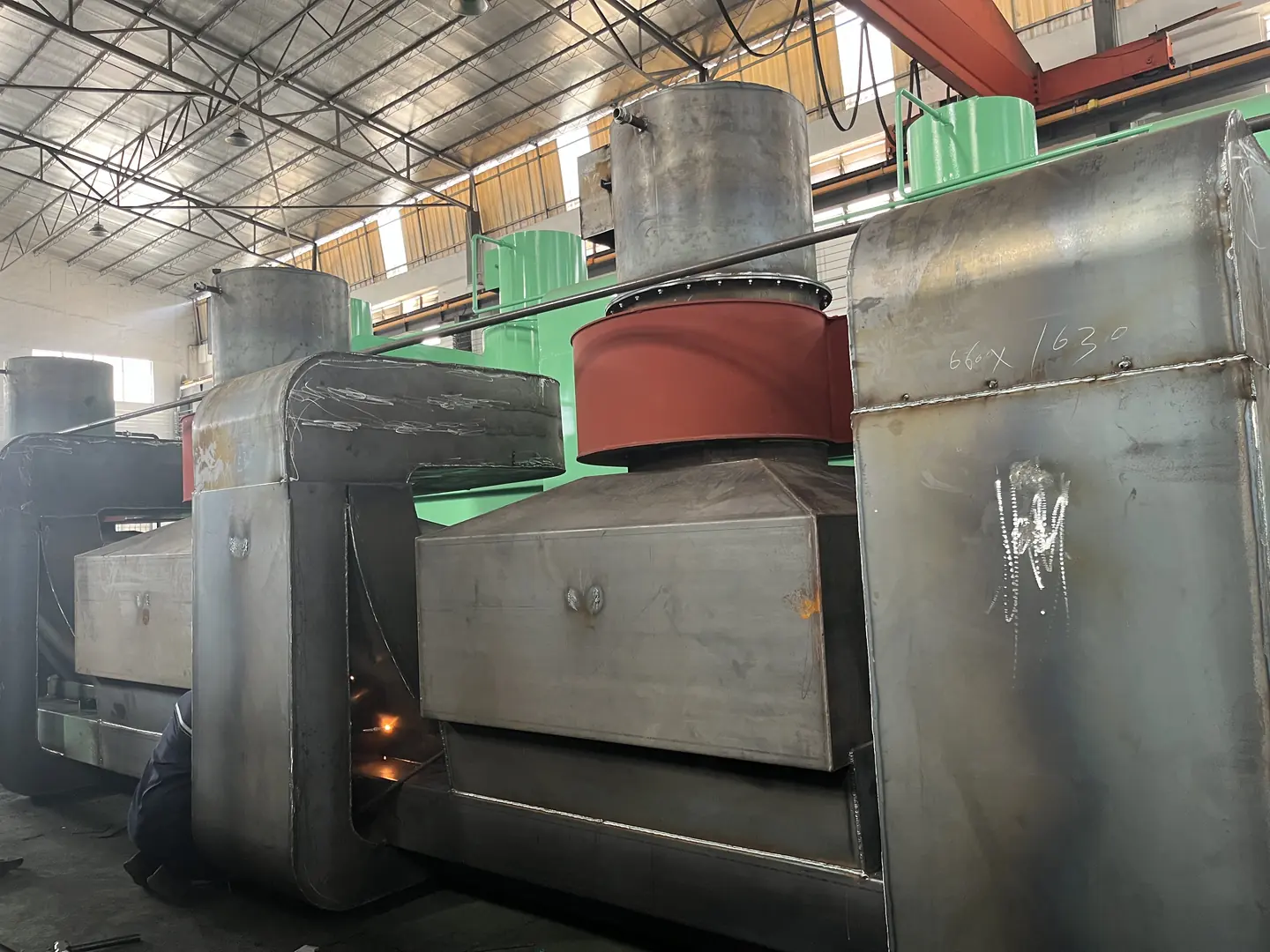
Struggling with inconsistent stainless steel quality and high energy bills? This common problem eats into your profits. The solution lies in mastering your annealing process[^1] and choosing the right equipment.
The best way to control stainless steel strip annealing is to choose equipment that offers precise control over key parameters. A furnace with temperature accuracy of ±3℃ and an atmosphere below 10ppm O2, like our AKS Bright Annealing Furnace, ensures high product quality and energy efficiency.

As a manufacturer, I know that every step in the production line matters. Getting annealing right is not just a technical detail; it is a core business strategy. It directly impacts your costs, your output, and your reputation. So, let’s walk through the critical steps to optimize your process, from the fundamentals to the final evaluation.
Why is Annealing So Important in Stainless Steel Processing?
Your stainless steel looks great, but does it perform? Without proper annealing, it won't. This step is often misunderstood, leading to failed products and wasted material. Understanding its purpose is the first step to success.
Annealing is critical because it softens the stainless steel after cold rolling, making it workable for further processing. It also relieves internal stresses and refines the grain structure, which improves the material's mechanical properties and corrosion resistance, ensuring a high-quality final product.
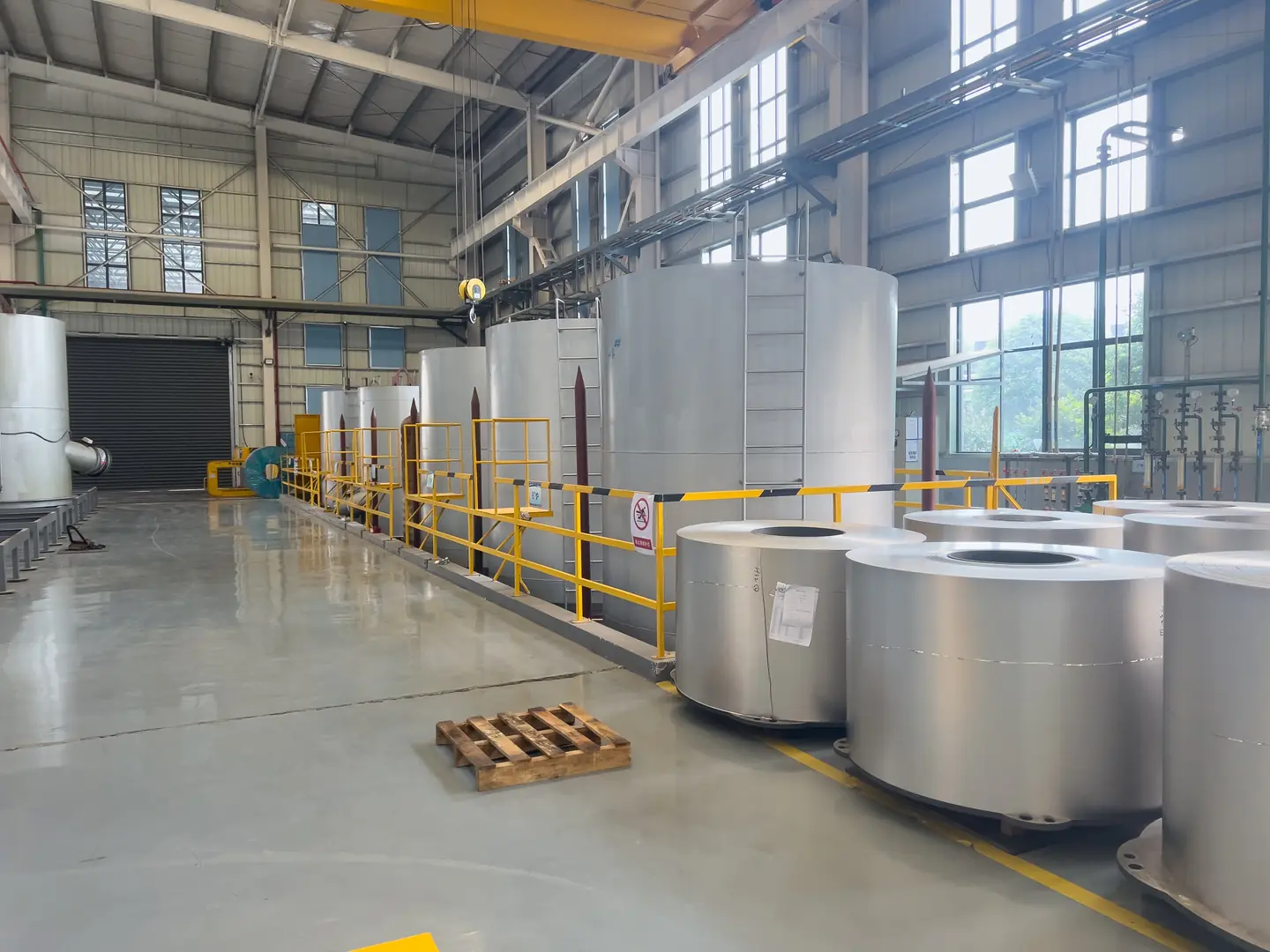
Let's dive deeper into this. When you cold-roll stainless steel, the process makes the metal hard and brittle. This is called work hardening. If you try to bend or form it in this state, it will crack. Annealing reverses this. By heating the steel to a specific temperature and then controlling its cooling, we trigger a process called recrystallization[^2]. This process creates new, stress-free grains in the metal's structure. The result is a softer, more ductile material that can be easily shaped. But that's not all. This process also ensures a uniform grain structure throughout the steel strip. This uniformity is key to consistent performance. It prevents weak spots and ensures the material will resist corrosion evenly. At AKS, we see annealing not as a simple heating step, but as the moment where the true quality of the stainless steel is defined. It’s what separates a premium product from scrap metal.
What are the Key Process Parameters for Effective Annealing?
Are your results inconsistent from one batch to the next? Your process parameters are likely drifting. Nailing down these variables is the only way to achieve repeatable, high-quality output every single time.
The most critical parameters for effective annealing are temperature, atmosphere, and time. Precise temperature control (within ±3℃), a protective atmosphere with low oxygen (<10ppm), and correct soaking time are essential for achieving a bright, defect-free surface and the desired mechanical properties.

Let's break these down, because this is where a good process becomes a great one. My team and I focus obsessively on these three areas.
Temperature Control
This is non-negotiable. If your temperature is too low, the steel won't fully anneal. If it's too high, you risk grain growth, which makes the material weak. For most stainless steel grades like 304, you need precision. Our furnaces are designed to hold the temperature steady within ±3℃ across the entire strip. This consistency guarantees a uniform result.
Atmosphere Control
The "bright" in "bright annealing" comes from the atmosphere. You must prevent the hot steel surface from reacting with oxygen. Any oxidation will create a dull, scaled surface that needs to be removed with costly and messy acid picking. We achieve a mirror-like finish by keeping the oxygen content inside our furnaces below 10ppm.
Time and Speed
The time the steel spends at the annealing temperature (soaking time) is also critical. It must be long enough for the metallurgical transformation to complete, but not so long that you waste energy or cause excessive grain growth. This is determined by the strip thickness and the line speed.
| Parameter | AKS Furnace Standard | Impact on Quality |
|---|---|---|
| Temperature | ±3℃ Accuracy | Prevents under-annealing or grain growth. |
| Atmosphere | <10ppm Oxygen | Guarantees a bright, oxide-free surface. |
| Time/Speed | Automated Control | Ensures complete recrystallization for every coil. |
How Do You Select the Right Equipment for Stainless Steel Strip Annealing?
Is your old furnace a money pit? High energy bills, frequent downtime, and constant repairs are signs you need an upgrade. Choosing the right equipment isn't an expense; it's an investment in profitability.
Select an annealing furnace based on energy efficiency, stability, and control. Look for features like advanced heat recovery, precise atmosphere control, and robust construction for 24/7 operation. A furnace that reduces gas consumption by 10-17% and has over 98% uptime is a smart choice.
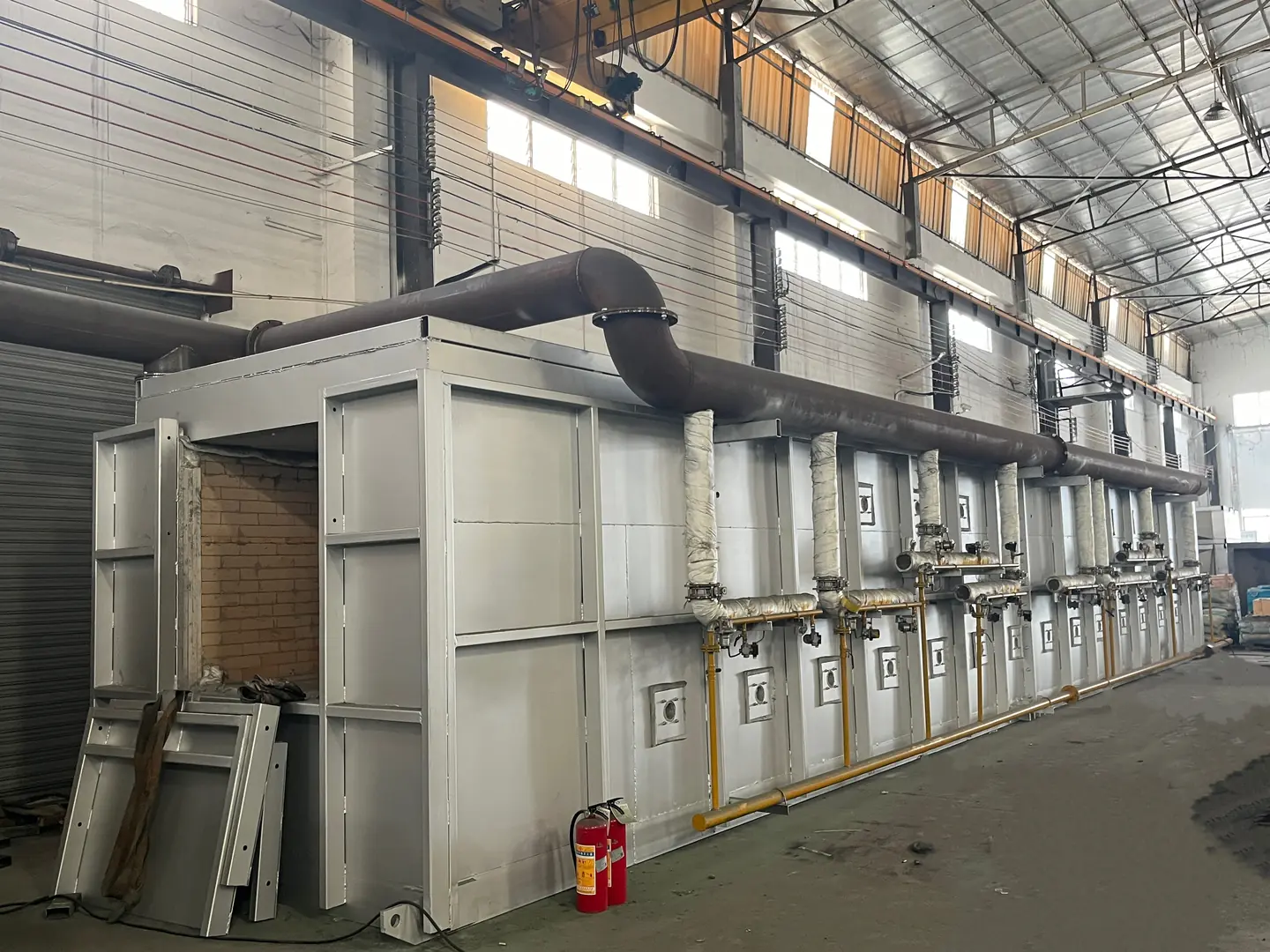
When I talk to potential clients, I tell them to look beyond the purchase price. The total cost of ownership is what matters. A cheaper furnace that guzzles gas and breaks down will cost you far more in the long run. At AKS, we build our furnaces around three core principles.
Energy Efficiency
Energy is one of the biggest operating costs in heat treatment. Our bright annealing furnaces use an advanced fuel/air ratio control system[^3] and a dual-layer heat recovery system[^4]. This technology is not a gimmick; it delivers real savings. Our clients consistently see 10-17% less gas consumption compared to competitors. Over a year, this adds up to a significant reduction in operating expenses, often between 20-40%.
Operational Stability
You can't make money when your line is down. We design our equipment for relentless, 24/7 industrial use. With robust components and smart design, we achieve over 98% uptime and maintenance intervals of 180 days or more. This reliability means you can plan your production with confidence and meet your customer deadlines.
Customization and Control
Standard, off-the-shelf equipment rarely fits a specific need perfectly. Over 70% of our orders are customized. We work with you to design a furnace that matches your production needs for stainless steel, copper, or brass. This ensures you get the performance you need without paying for features you don't.
How Can You Implement the Annealing Process for Optimal Results?
You've bought the best equipment. Now what? Just turning it on isn't enough. A smooth implementation and a focus on process integration are what separate the average operators from the top performers.
For optimal results, implement the annealing process using the furnace's automation and monitoring systems. Use real-time data on temperature and atmosphere to ensure stability, and rely on alarm systems to catch anomalies before they cause defects. This ensures consistent, high-quality production.
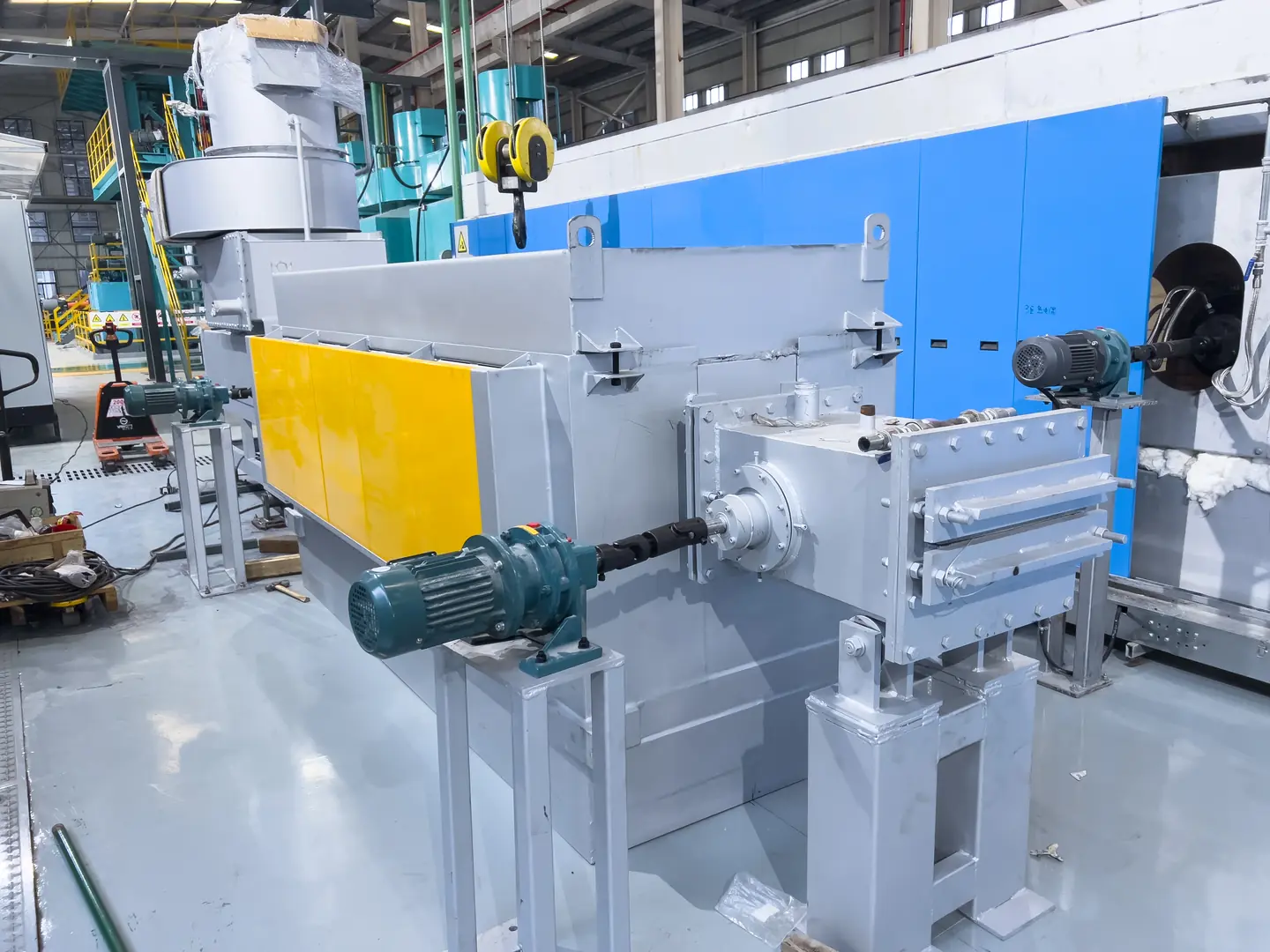
This is where technology makes a huge difference. A modern annealing line is not just a furnace; it's a data-driven system. The advanced automation we build into our equipment provides a major advantage. Instead of relying on manual checks and guesswork, your operators get a clear, real-time view of the entire process. They can see the temperature in every zone, the exact oxygen parts-per-million, and the line speed, all on one screen. Our systems also include anomaly alarms[^5]. If a parameter starts to drift outside the setpoint, the system alerts the operator immediately. This proactive approach allows your team to make small adjustments before a minor issue becomes a major quality problem, like an entire coil being oxidized. [Insert anecdote about a client's success in reducing defects]. This level of control and feedback is what allows our clients to consistently achieve product qualification rates of over 99%. It turns annealing from a mysterious art into a repeatable science.
How Do You Evaluate Outcomes and Adjust for Improvement?
The coils are annealed and the shift is over. But how do you really know if you succeeded? If you aren't measuring your outcomes, you can't improve them. A data-driven evaluation is essential for long-term optimization.
Evaluate annealing outcomes by tracking key performance indicators (KPIs). Measure the product qualification rate, total energy consumption per ton, and monthly production output. Use this data to fine-tune your process parameters for continuous improvement and higher ROI.
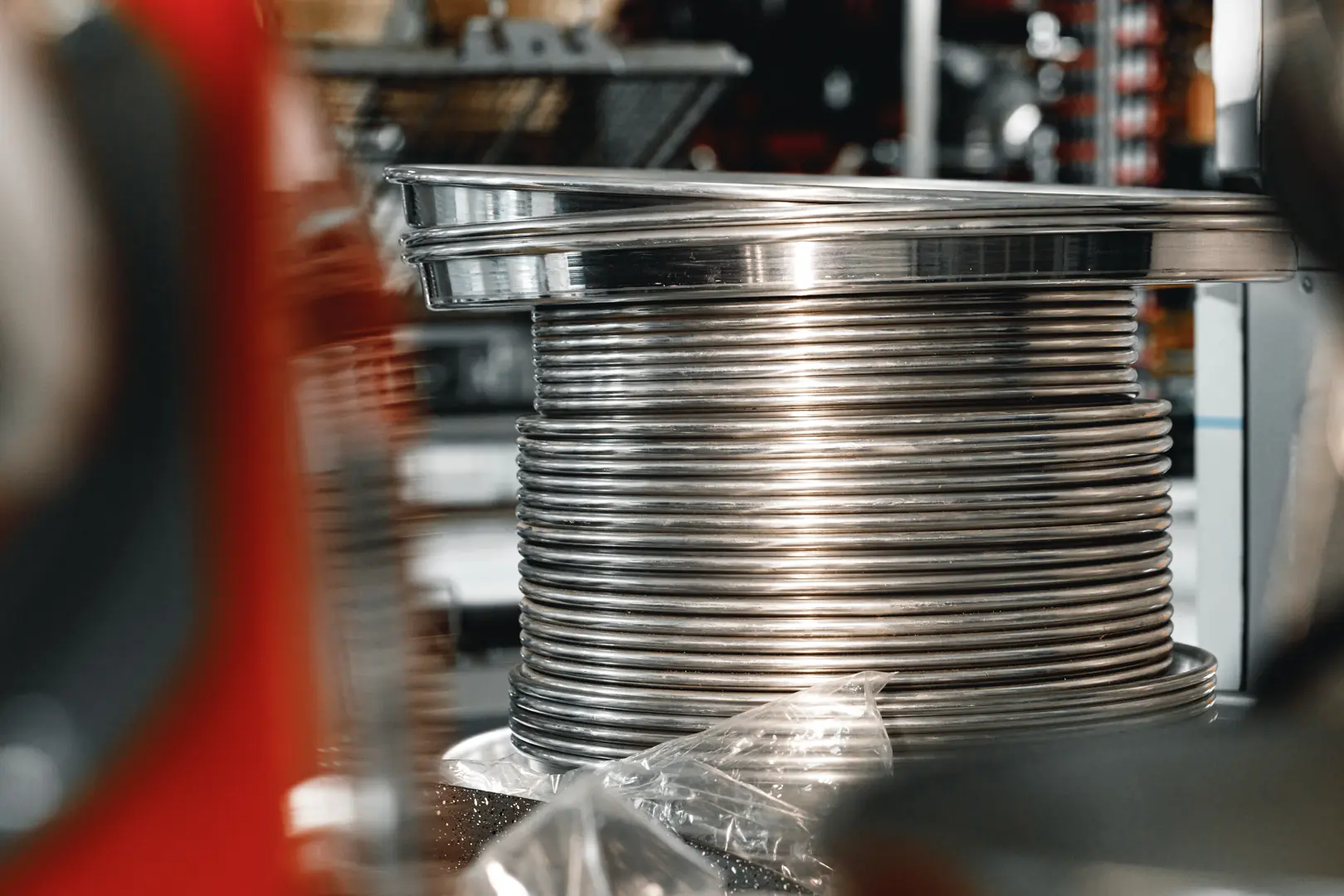
In my experience, the most successful manufacturers are obsessed with their data. They don't just "feel" like things are going well; they prove it with numbers. We encourage our clients to focus on a few simple but powerful KPIs. First, the product qualification rate. Are you hitting over 99% acceptance on the first pass? If not, the data from the furnace can help you pinpoint why. Second, energy consumption. Track your gas usage per ton of steel produced. This number should be decreasing as you optimize your process with an efficient furnace. A 20-40% reduction in energy costs is a realistic goal. Third, production output. A stable, reliable furnace allows you to increase your throughput. We see clients boost their annual production by 10% or more simply by eliminating unplanned downtime. Our furnace control systems log all this data, making it easy to generate reports and spot trends. This creates a powerful feedback loop: you run the process, measure the results, adjust the parameters, and repeat. This is how you achieve operational excellence.
Conclusion
Mastering the annealing of stainless steel strips comes down to two things: understanding the process and choosing the right equipment. By focusing on precise control of temperature and atmosphere with a reliable, energy-efficient furnace, you can transform your production, lower costs, and deliver a consistently superior product.
 English
  Русский