
Struggling with inconsistent product quality from your annealing line? Oxidation and defects can destroy your margins and reputation. The solution lies in absolute control over your furnace atmosphere.
Pairing an on-site nitrogen generator with an AKS Bright Annealing Furnace is the most reliable way to achieve and maintain <10ppm oxygen purity. This integrated system gives you full control over your protective atmosphere, resulting in superior product quality, reduced operational costs, and enhanced production stability.

This combination isn't just a technical upgrade; it's a strategic business decision. It directly addresses the core challenges of modern metal processing. In this post, I'll break down why this synergy is so critical and how you can implement it to gain a real competitive edge.
Why is Understanding the Importance of <10ppm Purity in Annealing Processes Crucial?
Are you seeing surface defects or failing to meet strict client specifications? These issues often trace back to one critical factor: atmospheric purity inside your furnace. Ignoring it is costly.
Achieving an oxygen content below 10 parts per million (<10ppm) is essential for preventing oxidation on metal surfaces during heat treatment. This level of purity guarantees a bright, clean finish and preserves the material's mechanical properties, leading to product qualification rates of over 99%.

From Purity to Profitability
When I talk with plant managers, the conversation always comes back to the bottom line. Achieving <10ppm purity isn't just a technical goal; it's a direct driver of profitability. For high-value materials like 304 stainless steel or brass strips, the surface finish is a primary indicator of quality. A bright, flawless surface, free from the slightest tint of oxidation, commands a higher price and meets the stringent demands of top-tier markets. This is where market differentiation happens. By guaranteeing this level of quality, you move from being a commodity supplier to a preferred partner. Our clients who have made this transition report not only higher margins but also stronger, long-term customer relationships. It all starts with controlling those few parts per million of oxygen.
The Science of a Flawless Surface
At annealing temperatures[^1], metal is highly reactive. Any oxygen present, even in tiny amounts, will immediately bond with the surface to form oxides. This creates a dull, discolored layer that can ruin the product's aesthetic and functional value. For stainless steel, this oxidation can compromise its corrosion resistance. For copper, it affects electrical conductivity. An inert atmosphere, rich in nitrogen and with less than 10ppm of oxygen, displaces the oxygen and prevents these reactions from ever starting. Our AKS furnaces are designed to maintain this precise atmosphere (<10ppm O2) with exceptional stability, ensuring every inch of the coil or strip receives the same perfect treatment.
What Are the Current Techniques for Achieving High Purity Levels in Annealing?
You know you need a protective atmosphere, but the options can be confusing. Choosing the wrong method can lead to high costs, logistical headaches, and inconsistent results. So, what are the typical choices?
The two most common techniques are using cracked ammonia (a hydrogen-nitrogen mix) or relying on bulk liquid nitrogen delivered by an external supplier. While both can provide a protective atmosphere, they come with significant differences in cost, safety, operational control, and purity consistency.

A Look at the Options
For years, the industry has relied on a few standard methods. It's important to understand their pros and cons. Cracked ammonia, which produces a mix of 75% hydrogen and 25% nitrogen, creates a strong reducing atmosphere that is excellent for achieving brightness. However, storing and handling ammonia, and dealing with the flammability of hydrogen, introduces significant safety risks and regulatory burdens.
The other common path is bulk liquid nitrogen. The purity is excellent right out of the cryogenic tank. But you become completely dependent on a supplier for deliveries, subject to their price changes and logistical schedules. A single delayed truck can shut down your entire production line. You also have to account for evaporation losses from the storage tank, which is a constant hidden cost. Both of these methods place a critical part of your quality control process in the hands of outside parties.
| Feature | Cracked Ammonia | Bulk Liquid Nitrogen | On-Site Nitrogen Generator |
|---|---|---|---|
| Purity Control | Good, but H2 risk | Excellent, but risk of contamination | Excellent, full control |
| Operational Cost | Moderate | High & Volatile | Low & Stable |
| Safety | High Risk (H2/Ammonia) | Moderate Risk (Cryogenic) | Low Risk |
| Supply Chain | Dependent on Ammonia | Dependent on Supplier | Independent |
What Are the Challenges in Maintaining Consistent Purity with Traditional Methods?
You've invested in a gas supply, but are you still chasing down quality issues? The problem is that traditional methods are prone to fluctuations that undermine your process. This instability is a hidden factory killer.
Traditional methods like bulk supply or cracked ammonia introduce major challenges. You face supply chain disruptions, volatile pricing, and safety hazards. Most importantly, maintaining a consistent <10ppm purity is difficult due to potential contamination during delivery, storage, or gas generation, leading to production instability.

The True Cost of Inconsistency
Inconsistency is the enemy of efficient manufacturing. When the purity of your protective atmosphere fluctuates, your product quality suffers. One batch might be perfect, but the next could have subtle oxidation, leading to rejection. This directly impacts your product qualification rate. You end up wasting the immense amount of energy used to heat the furnace, not to mention the raw material and labor. At AKS, we designed our furnaces for stable, 24/7 operation with over 98% uptime. This level of reliability is impossible to achieve if your gas supply is the weak link in the chain. The cost of a single rejected multi-ton coil of stainless steel often exceeds the monthly cost difference between an inconsistent supply and a reliable one. It's a calculation every production manager needs to make.
How Does Integrating Nitrogen Generators with AKS Bright Annealing Furnaces Solve These Problems?
Tired of dealing with gas suppliers and inconsistent quality? There is a better way to take full control of your annealing process. The solution is to bring nitrogen generation in-house and pair it with the right furnace.
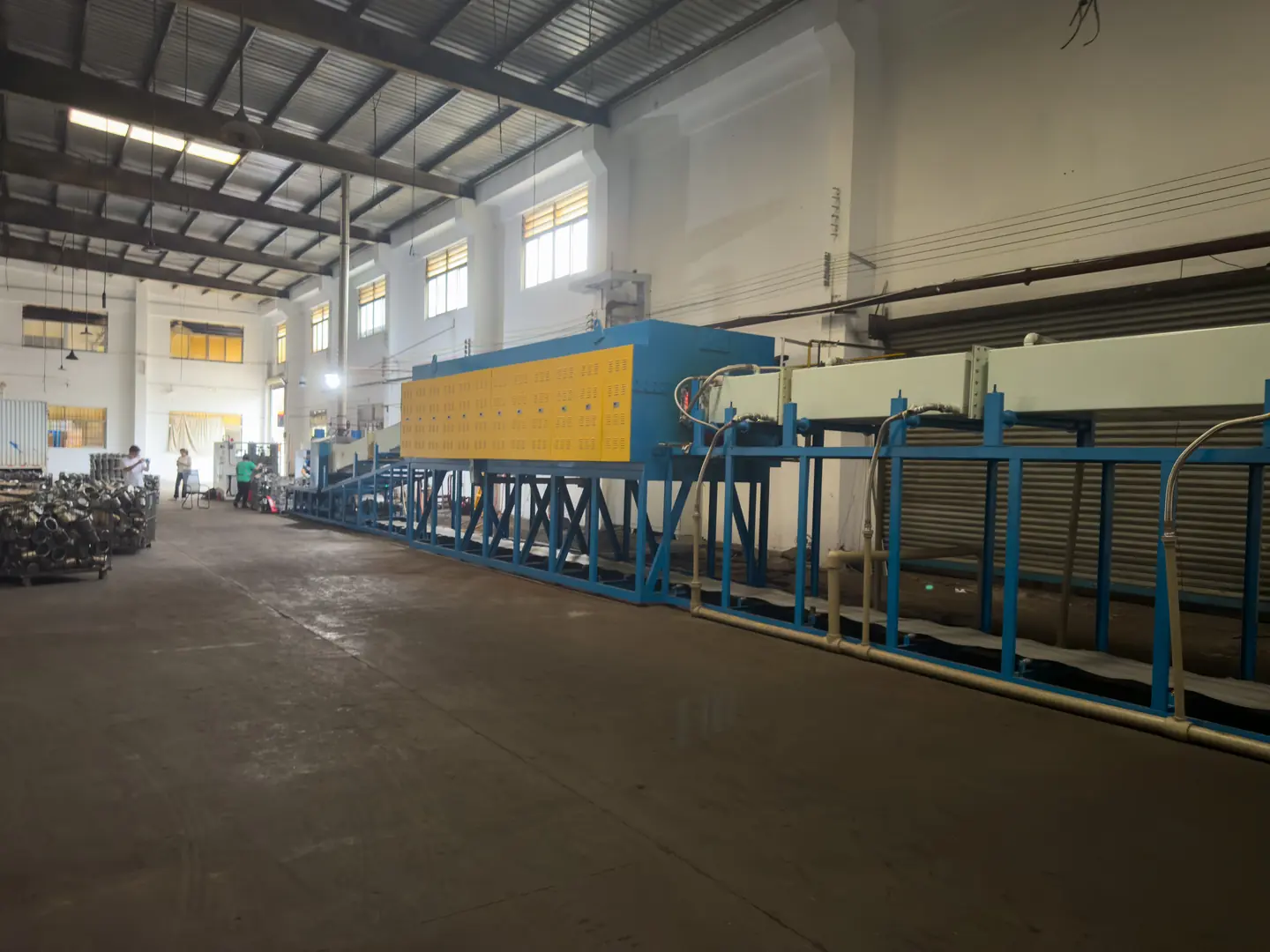
Integrating an on-site nitrogen generator with an AKS furnace creates a closed-loop system for quality. It provides an on-demand, stable supply of high-purity nitrogen that perfectly complements our furnace's precise atmosphere control (<10ppm O2) and dual-layer heat recovery system, ensuring unmatched consistency and efficiency.
The Power of a Synergistic System
This is where everything comes together. Our furnaces are engineered for precision. The advanced fuel/air ratio control and precision cooling system are designed to maintain a perfect environment. But they need a steady, reliable source of high-purity inert gas to perform at their peak. An on-site nitrogen generator provides exactly that. It produces nitrogen at the exact purity and flow rate you need, when you need it. There are no trucks, no cryogenic storage, and no market price swings. This synergy is what allows our clients to hit a product qualification rate of over 99%. It transforms the annealing process from a variable art into a repeatable science. This strategic integration is why our customers not only improve quality but also lower their energy costs by 20-40% and boost annual production by over 10%. [Insert anecdote about a client's success in reducing defects].
What Are My Technical Recommendations for Optimal Purity and Efficiency?
Ready to make the switch to an integrated system? A great decision. But proper setup is critical to unlocking the full benefits. A few key technical choices will make all the difference.
To ensure optimal performance, correctly size your nitrogen generator to meet the furnace's peak gas consumption with a 15-20% buffer. Use high-quality, leak-proof stainless steel piping, and install real-time oxygen analyzers to continuously verify that <10ppm purity is maintained inside the furnace.
Getting the Details Right
First, let's talk about sizing the generator. Your furnace's nitrogen demand is not constant; it peaks during the initial purge and varies through the heating and cooling cycles. We work with our clients to analyze this consumption profile and recommend a generator that can handle the peak demand without a drop in pressure or purity. Second, system integrity is non-negotiable. Even a pinhole leak in a pipe or fitting can introduce oxygen and compromise the entire atmosphere. We always recommend welded stainless steel piping and thorough leak testing. Finally, trust but verify. While our furnaces have built-in sensors, an independent oxygen analyzer sampling gas directly from the furnace chamber provides a continuous, real-time record of your atmospheric purity. This data is invaluable for quality control and process optimization. Getting these three elements right ensures the system performs flawlessly from day one.
Conclusion
Pairing an on-site nitrogen generator with an AKS Bright Annealing Furnace is the definitive strategy for achieving superior quality and operational excellence. This integrated approach gives you total control over atmosphere purity, boosts product qualification rates above 99%, and significantly cuts energy costs, securing your competitive advantage.
 English
  Русский