
Welding steel creates intense internal stresses that can lead to catastrophic failure. This hidden threat risks costly downtime and damages your reputation. Proper heat treatment is the essential manufacturing step to ensure safety and reliability.
Pre- and post-weld heat treatment (PWHT) maximizes steel performance by relieving residual stresses, refining the material's microstructure, and improving mechanical toughness. This controlled process is critical for preventing weld cracking, ensuring structural integrity, and dramatically extending the service life of industrial components.

As the General Manager of AKS, I've seen firsthand how a strategic approach to heat treatment transforms a company's operations. It's not just a technical step; it's a core business decision that impacts everything from product quality to your bottom line. Let's explore why this process is so fundamental to modern manufacturing.
What are the common issues faced in steel welding without proper heat treatment?
You've completed a weld, and it passes visual inspection. But lurking beneath the surface, hidden stresses are a ticking time bomb, ready to cause cracks or brittle failure under load. Understanding these risks is the first step.
Without proper heat treatment, welded steel commonly suffers from high residual stress, hydrogen-induced cracking, reduced toughness in the heat-affected zone (HAZ), and poor corrosion resistance. These issues directly lead to premature component failure, costly rework, and significant operational safety risks.

When we talk to production managers, their biggest fears are downtime and product defects. Skipping heat treatment is a direct path to both. The intense, localized heat of welding followed by rapid cooling creates a battlefield of stresses within the metal.
The Hidden Dangers of Residual Stress
Residual stresses are locked-in forces that remain after the weld has cooled. They act in combination with service loads, making the component much more susceptible to failure, especially from fatigue and stress corrosion cracking. In many cases, these stresses can be high enough to exceed the material's yield strength, causing distortion or cracking before the part is even put into service. This directly impacts your production stability and can lead to qualification rates plummeting.
The Brittle Threat in the Heat-Affected Zone
The area of base metal next to the weld, known as the Heat-Affected Zone (HAZ)[^1], is also a major point of concern. The rapid heating and cooling cycle can create a hard, brittle microstructure in this zone. A brittle HAZ has significantly lower toughness, meaning it cannot absorb much energy before fracturing. This is a massive safety risk, as a component could fail suddenly and without warning. We designed our furnaces to solve this exact problem by ensuring a controlled thermal process.
How does pre-weld heat treatment affect steel's structural integrity?
Welding thick or high-alloy steel sections is a major challenge. The rapid cooling from the weld pool can create a brittle microstructure, making the joint prone to cracking. Preheating the material is a simple, effective solution.
Pre-weld heat treatment improves structural integrity by slowing the weld's cooling rate. This process minimizes the formation of hard, brittle microstructures, reduces the risk of hydrogen cracking by allowing diffused hydrogen to escape, and lowers thermal stresses between the weld and base metal.

I often explain preheating to clients as a way to "relax" the steel before the stress of welding. By bringing the base material up to a specific temperature, you create a much more forgiving thermal environment.
Controlling the Cooling Curve
The primary benefit of preheating is slowing down the cooling rate of the weld and the surrounding HAZ. In many steels, rapid cooling promotes the formation of martensite[^2], a very hard and brittle microstructure. A slower cooling rate allows for the formation of softer, tougher microstructures like ferrite and pearlite. This simple step is fundamental to avoiding cracks and ensuring the final product meets its mechanical specifications, helping our clients consistently achieve product qualification rates over 99%.
Driving Out Harmful Hydrogen
Another critical function of preheating is the removal of hydrogen. Hydrogen can be introduced into the weld pool from moisture in the atmosphere or on the steel's surface. As the weld cools, this hydrogen can get trapped and lead to a phenomenon called hydrogen-induced cracking, which can occur hours or even days after welding. Preheating the steel to a temperature typically above 100°C (212°F) effectively bakes out this moisture, eliminating the primary source of hydrogen and securing the weld's integrity.
Why is post-weld heat treatment crucial for extending steel longevity?
Your weld has passed every initial inspection. But lingering internal stresses from welding will accelerate fatigue and corrosion over time, dramatically shortening the component's life. Post-weld heat treatment (PWHT) is the critical final step for durability.
Post-weld heat treatment is crucial for longevity because it relieves the vast majority of residual stresses created during welding. This stress relief significantly improves the material's resistance to brittle fracture and stress corrosion cracking, directly extending the operational lifespan and reliability of the component.
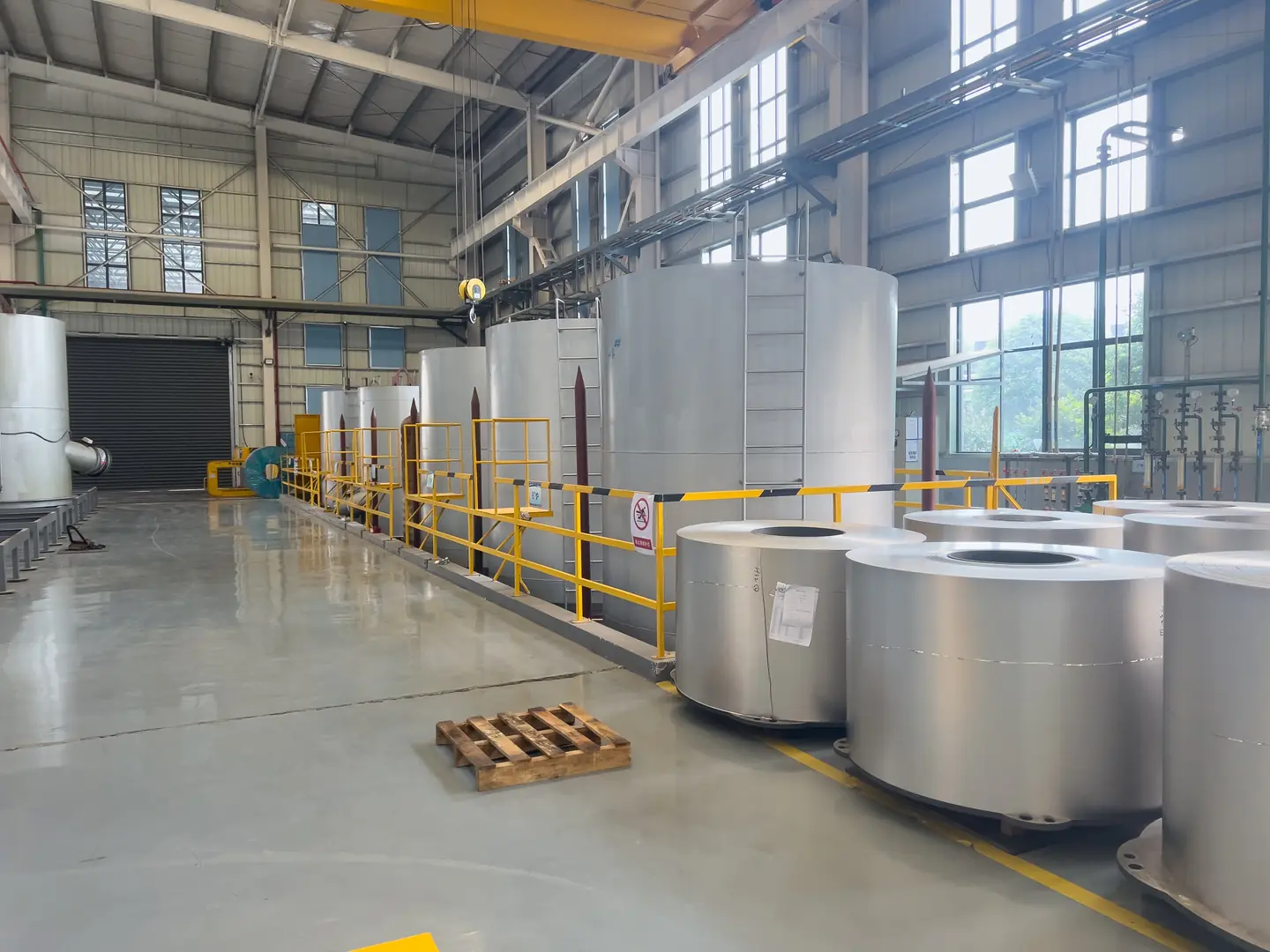
This is where my team at AKS sees the biggest strategic impact for our clients. PWHT is not just a cleanup step; it's an investment in asset longevity and operational stability. For C-level executives, this translates into a more reliable, predictable, and profitable operation.
Relieving Stress, Boosting Durability
The primary goal of PWHT is stress relief. By heating the entire welded component to a specific temperature below its critical transformation point and holding it there, the metal can relax on a microscopic level, and the locked-in stresses dissipate. This process is essential for parts in demanding service environments. The precise temperature control of our furnaces, which we hold to a tolerance of ±3℃, is non-negotiable for achieving effective stress relief without negatively affecting the material's core properties.
A Strategic Investment in Uptime
By tempering the brittle microstructures in the HAZ and relieving internal stress, PWHT makes the final product tougher and more ductile. This directly translates to superior performance and a longer service life. For our clients, this means their equipment runs longer and fails less often. We've seen this lead to maintenance intervals extending beyond 180 days and equipment uptime exceeding 98%. This isn't just a technical improvement; it's a competitive advantage.
What techniques can be employed for effective pre- and post-weld heat treatment?
You know that heat treatment is necessary for your project. But choosing the wrong method or equipment can be just as damaging as skipping it, leading to inconsistent results and wasted energy. The right technique is key.
Effective techniques include furnace heating, which provides superior temperature uniformity for entire components, and various local heating methods like electrical resistance or induction, which are used for specific areas. The choice depends on the part's size, complexity, material, and governing code requirements.
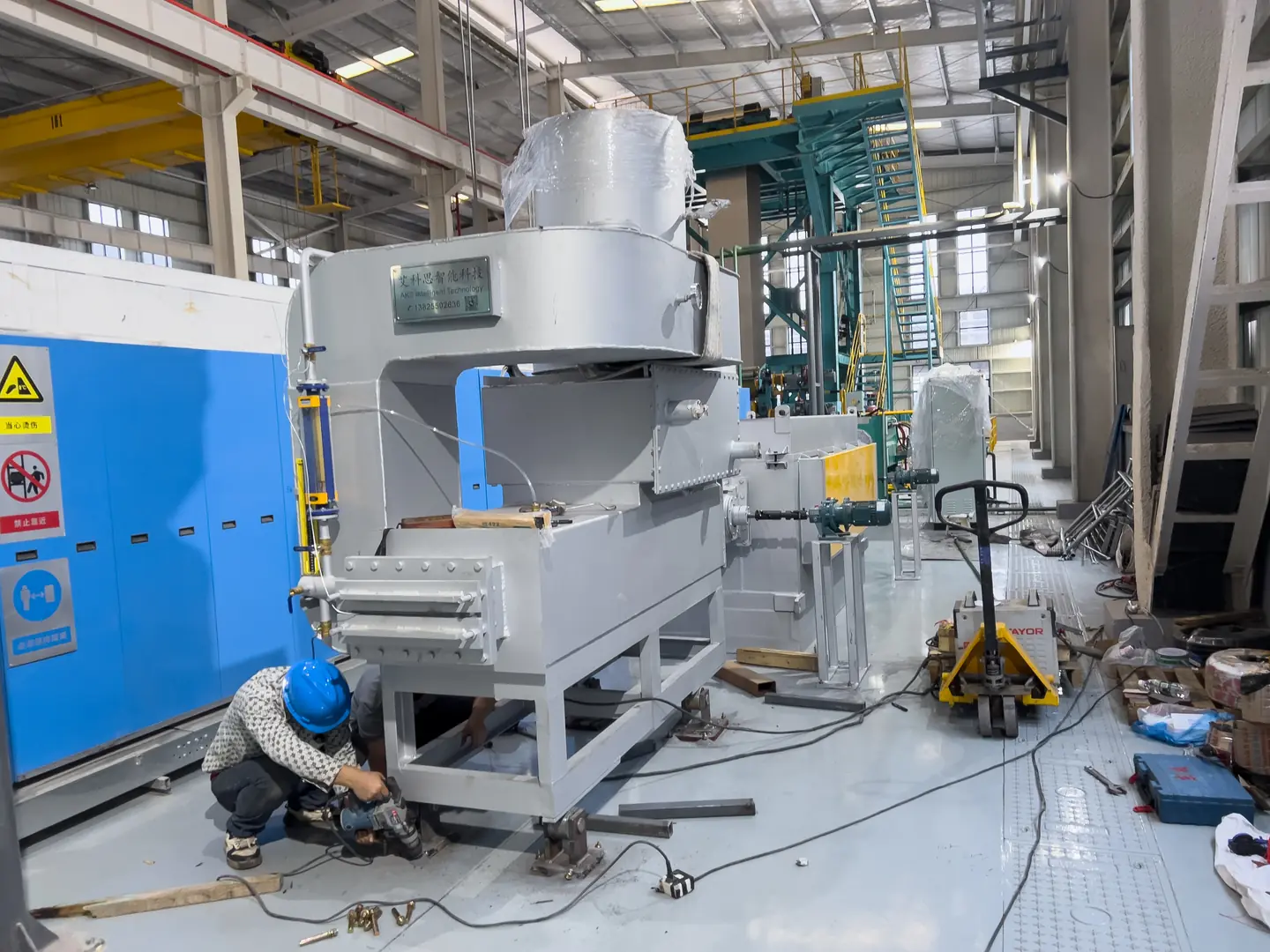
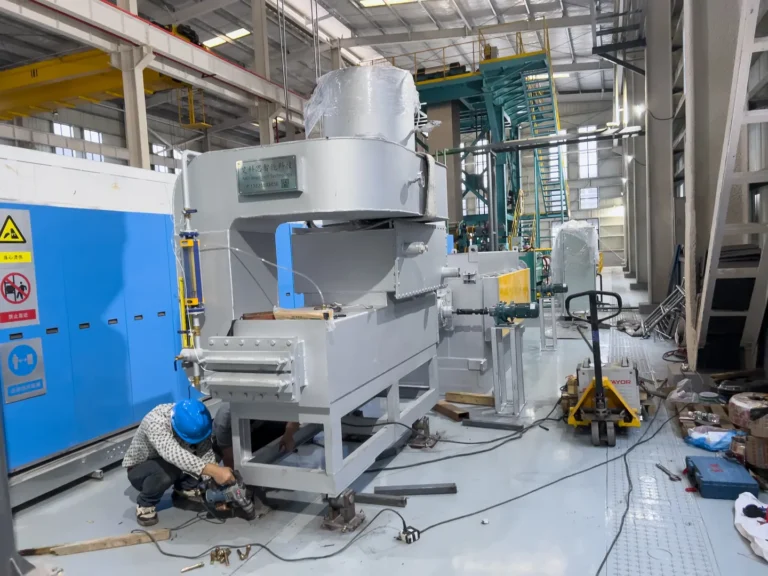
At AKS, we specialize in furnace solutions because, for critical industrial components, there is no substitute for the control and uniformity a furnace provides. However, understanding the different methods helps our clients make informed decisions.
Furnace Heating: The Gold Standard for Uniformity
For complex geometries or when the entire component requires treatment, furnace heating is the superior method. Placing the part in a calibrated industrial furnace, like our Bright Annealing Furnace, ensures that every section heats and cools at a controlled, uniform rate. This prevents the creation of new thermal gradients and stresses. Furthermore, our systems offer precise atmosphere control with less than 10ppm of oxygen, which prevents oxidation and ensures a clean, high-quality surface finish.
Comparing Heat Treatment Methods
For production engineers and procurement managers, choosing the right method comes down to a trade-off between precision, cost, and application. Here’s a simple breakdown:
| Feature | Furnace Heat Treatment | Local Heat Treatment |
|---|---|---|
| Uniformity | Excellent, whole-part consistency | Variable, depends heavily on operator |
| Control | High precision (e.g., ±3℃) | Lower precision and control |
| Application | Critical parts, complex shapes | Simple joints, on-site repairs |
| Efficiency | High with heat recovery systems | Can be less energy-efficient |
What are the best practices for ensuring optimal steel performance through heat treatment?
You have the right equipment and have chosen the right technique. But a flawed process—the wrong temperature, an incorrect soak time, or uncontrolled cooling—can undo all the benefits. Following best practices is non-negotiable.
Best practices include strictly adhering to a qualified Welding Procedure Specification (WPS), using calibrated thermocouples for accurate temperature monitoring, controlling heating and cooling rates to prevent thermal shock, and maintaining precise soak times at temperature. Thorough documentation is essential for quality assurance.

In my experience, success comes down to one word: control. Every variable must be monitored and controlled to achieve a repeatable, high-quality outcome. This is a core principle behind the design of our equipment.
The Procedure is Your Roadmap
The Welding Procedure Specification (WPS) or a dedicated heat treatment procedure is your most important document. It dictates the required preheat temperatures, PWHT soak temperatures and times, and maximum heating and cooling rates based on the material type and thickness. Deviating from this is a recipe for failure. A reliable process starts with a reliable plan. [Insert anecdote about a client's success in reducing defects] by rigorously implementing and monitoring their heat treatment procedures.
Precision is Non-Negotiable
You cannot control what you cannot measure. Using properly placed and calibrated thermocouples to monitor the part's temperature is essential. The goal is to ensure the entire volume of metal being treated reaches the required temperature and stays there for the specified time. This is why we've invested heavily in advanced control systems for our furnaces. This precision is what allows our clients to not only hit their quality targets but also lower energy costs by 20-40%, because no energy is wasted on overheating or excessively long cycles.
Conclusion
Pre- and post-weld heat treatment is not an optional step; it is a strategic necessity for anyone serious about manufacturing high-quality, durable steel components. It prevents cracking, extends service life, and ensures safety. Investing in a controlled, efficient process is a direct investment in your company’s reputation and profitability.
 English
  Русский