

Struggling with high energy bills and inconsistent output in your metal processing line? You're not alone. The pressure to increase production while cutting operational costs is a constant battle.
Yes, a modern industrial continuous annealing furnace is the definitive solution for achieving both energy efficiency and high-volume production. By integrating advanced heat recovery and precise atmosphere control, these furnaces can reduce energy costs by 20-40% while boosting stable, high-quality output.

As the General Manager of AKS, I've seen firsthand how the right equipment transforms an entire operation from a cost center into a profit driver. In this post, I’ll break down how this technology works and why it's a strategic imperative for any serious player in the metal processing industry.
What is Industrial Continuous Annealing Furnace Technology?
Your production line faces constant demands for quality and speed. But traditional batch annealing creates bottlenecks and inconsistent results, hurting your bottom line. How do you move past this?
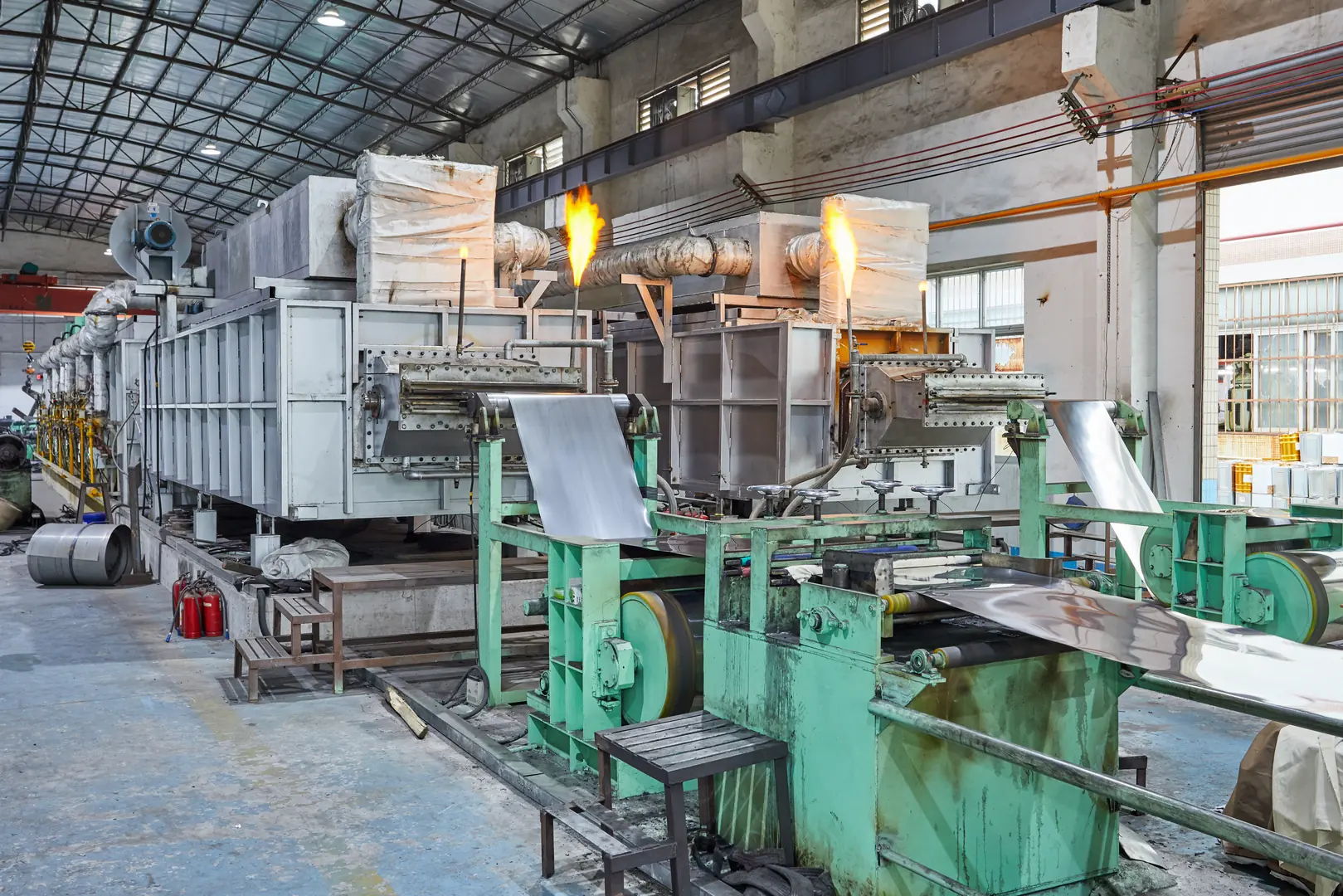
Industrial continuous annealing furnace technology is a process where metal strips or tubes, like stainless steel or copper, are heated and cooled in a controlled sequence. This happens without interruption, ensuring uniform material properties and enabling massive production volumes.
The Core Mechanics
At its heart, a continuous annealing furnace is an integrated system designed for one thing: efficiency. Unlike batch furnaces that process one load at a time, a continuous line feeds material through different temperature zones consistently. My team and I focus on perfecting this flow. First, the material enters a heating chamber where it reaches a precise annealing temperature. Then, it moves into a controlled cooling section. This entire process occurs within a protective atmosphere[^1], usually a mix of hydrogen and nitrogen, to prevent oxidation. This is critical. A shiny, clean surface, or a 'bright anneal[^2],' is the goal. For materials like 304 stainless steel or brass, achieving this finish with a product qualification rate[^3] over 99% is a game-changer. It eliminates secondary cleaning processes, saving both time and money. This continuous flow is what allows our clients to achieve monthly outputs of 10,000 tons or more.
How Do Energy Consumption Patterns Impact High-Volume Production?
You're running your lines 24/7 to meet demand, but your energy costs are soaring. This directly erodes your profit margins on every single ton of product you ship.
In high-volume production, energy is often the largest variable operating cost. Inefficient furnaces consume excessive gas, leading to higher per-unit costs, reduced competitiveness, and a direct negative impact on profitability. This makes energy efficiency a primary strategic concern.

The Cost of Inefficiency
When I talk to production managers, their number one complaint is unpredictable energy bills. An older or poorly designed furnace is like a car with a fuel leak—it gets you there, but at a huge cost. The problem lies in thermal inefficiency. Heat escapes, combustion is incomplete, and the entire system works harder than it needs to. This isn't just about the monthly gas bill. This inefficiency leads to instability. Temperature fluctuations cause defects, forcing you to scrap material or re-run entire coils. That's wasted energy, wasted material, and wasted time. We designed our AKS furnaces to tackle this head-on. By focusing on advanced fuel/air ratio controls[^4] and a dual-layer heat recovery system[^5], we ensure that every unit of energy is used effectively. This design directly translates into a 10-17% reduction in gas consumption compared to competitors, leading to overall energy cost savings of 20-40% for our clients.
What Are the Main Challenges in Achieving Furnace Energy Efficiency?
You've tried to optimize your current setup, but you're still facing frequent downtime and inconsistent product quality. The equipment itself seems to be the biggest barrier to real improvement.
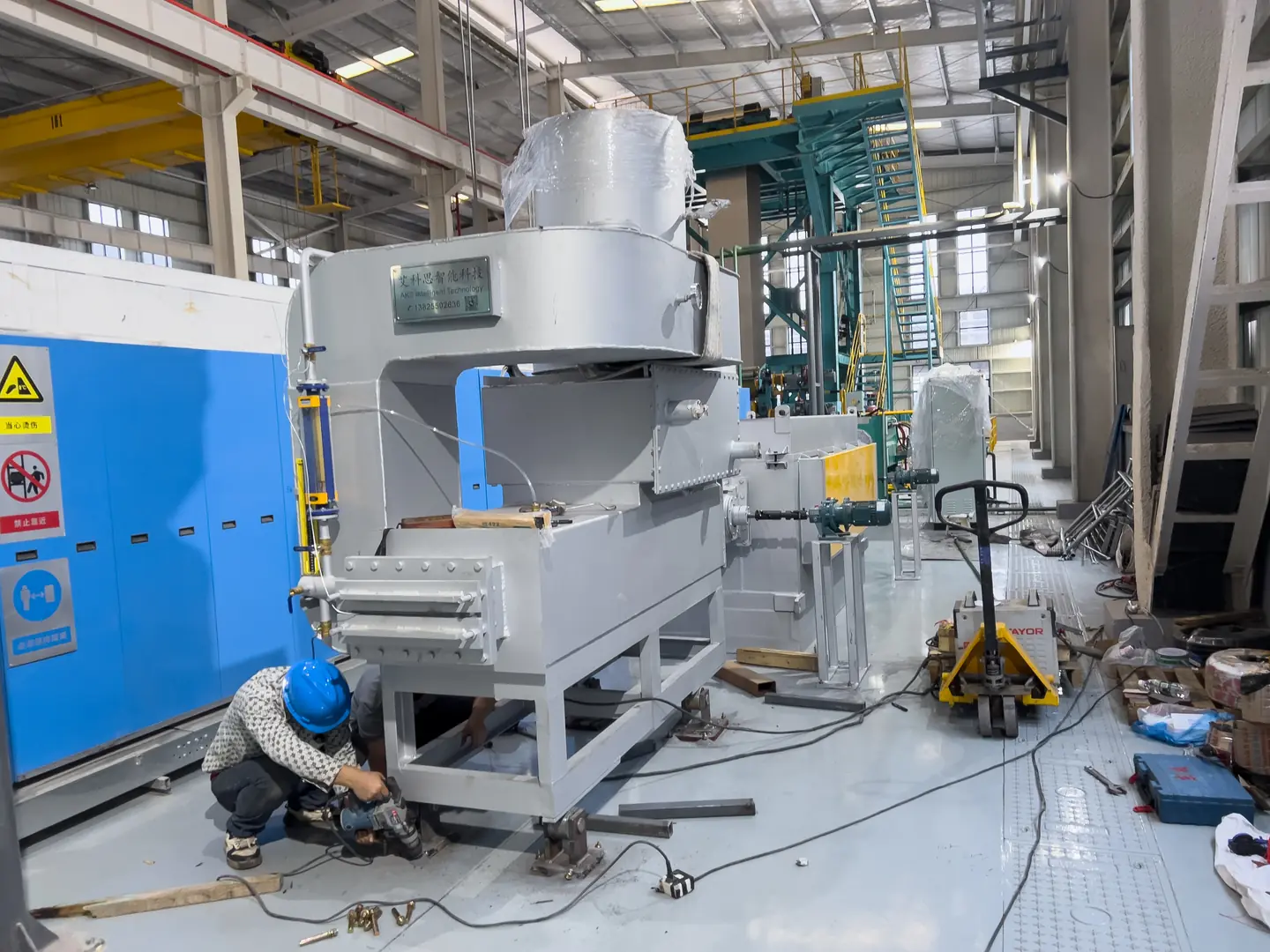
The primary challenges are poor thermal insulation, inefficient combustion systems, and the loss of waste heat. These factors lead to excessive energy consumption, temperature instability (failing to hold ±3℃), and an unstable atmosphere, which causes product oxidation.
Overcoming Technical Hurdles
For years, the industry accepted certain inefficiencies as the cost of doing business. I believe that's no longer acceptable. Let's break down the core problems we engineered our solutions to solve.
Thermal Management
The first challenge is keeping heat where it belongs. Many furnaces suffer from significant heat loss through their walls and exhaust. Our solution involves using superior insulation materials and, more importantly, a dual-layer heat recovery system. This system captures hot exhaust gases to preheat the incoming combustion air, effectively recycling energy that would otherwise be lost.
Atmosphere Control
The second major hurdle is maintaining a pure protective atmosphere. Any oxygen leak[^6], even a tiny one, will cause oxidation and ruin the bright finish. We guarantee an atmosphere with less than 10ppm of oxygen. This precision prevents defects and ensures that over 99% of the product that goes in comes out perfect, meeting the highest quality standards. This stability is key to our furnaces achieving over 98% uptime in 24/7 operations.
What Strategic Solutions Can Enhance Furnace Energy Efficiency?
You need more than a minor tweak; you need a fundamental shift in your production capability. How can new technology provide a strategic advantage, not just an incremental improvement?
Strategic solutions involve investing in furnaces with integrated heat recovery systems, precision air-gas ratio controls, and superior insulation. These features are not just upgrades; they are core components that deliver a quantifiable return on investment through lower operating costs.
A Strategic Investment
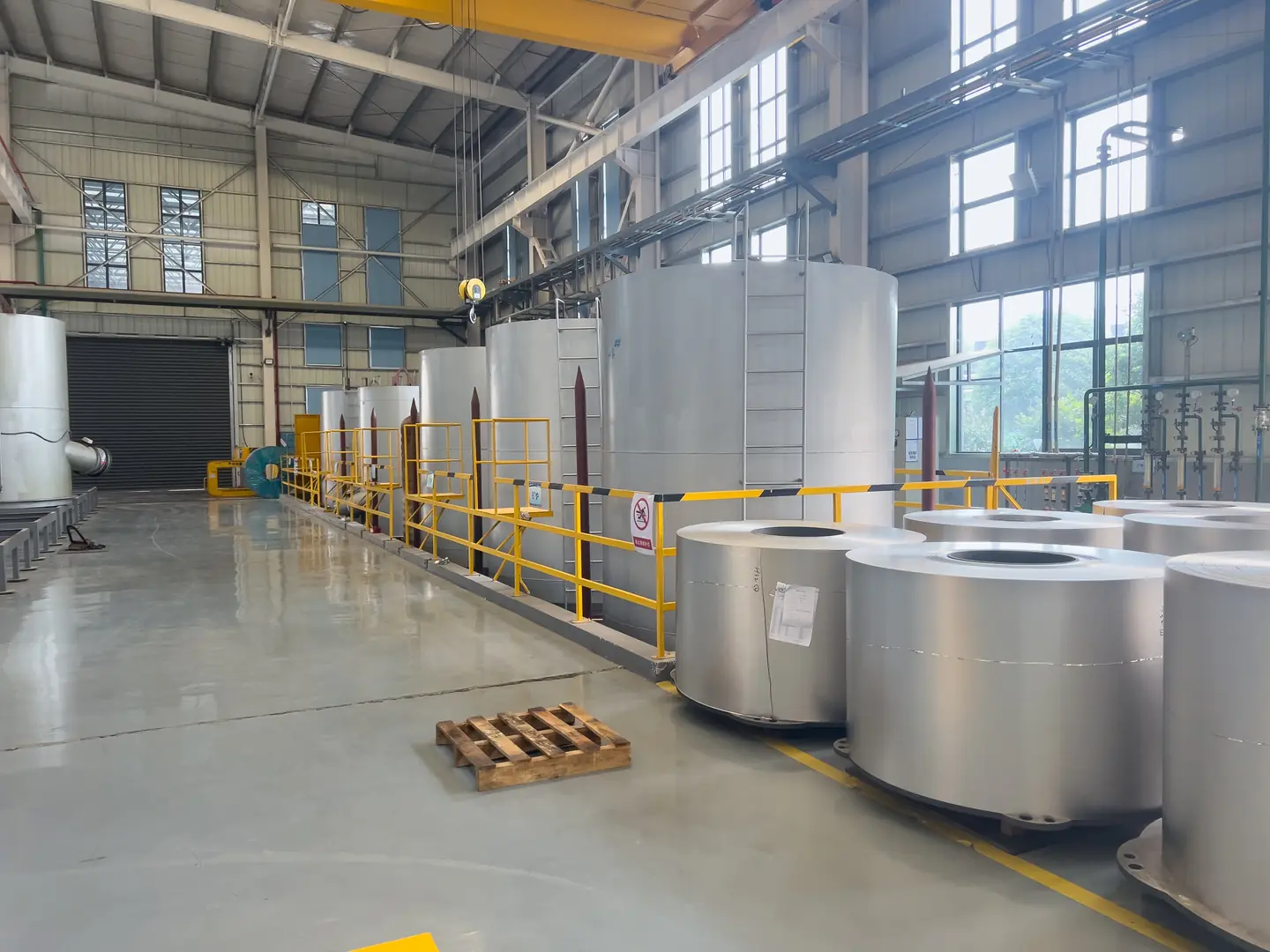
Choosing a new furnace is a major capital expenditure. As a C-level executive or plant director, you have to justify it based on ROI. This is where the conversation shifts from technical specs to business strategy. A furnace that cuts your energy bill by up to 40% pays for itself. A furnace that runs with over 98% uptime boosts your annual production by more than 10%. These aren't just numbers; they represent a significant competitive advantage. Here’s a simple comparison based on what we deliver for our clients:
| Feature | Standard Furnace | AKS Bright Annealing Furnace |
|---|---|---|
| Energy Savings | Baseline | 20-40% Reduction |
| Equipment Uptime | ~85-90% | >98% |
| Product Qualification | ~95% | >99% |
| Maintenance Interval | 30-60 days | ≥180 days |
| Customization | Limited | 70%+ of Orders |
This table shows that you're not just buying a piece of equipment. You are investing in predictability, quality, and capacity. This is how you gain market share and ensure long-term profitability in a competitive global market.
What are the Best Technical Recommendations for Optimizing High-Volume Production?
You're ready to make a change, but you want to ensure it's the right one. What specific technical features should you look for to guarantee performance and reliability?
Focus on three key areas: an advanced fuel/air ratio control system for efficient combustion, a precision cooling system for material integrity, and a robust heat recovery system. These technical elements are foundational to achieving lower costs and higher output.

Engineering for Performance
Getting the details right is what separates an average furnace from a high-performance one. My team of engineers obsesses over these details because they directly impact our customers' success.
Advanced Combustion Control
First, the fuel/air ratio must be perfect. Too much fuel is waste; too little reduces heat and causes incomplete combustion. Our automated control system constantly adjusts this ratio based on real-time sensor feedback. This ensures we are always running at peak efficiency, which is a major contributor to the 10-17% direct gas savings we achieve.
Precision Cooling System
Second, cooling is just as important as heating. The rate of cooling affects the final metallurgical properties of the steel, copper, or aluminum. Our precision cooling system ensures this process is controlled and consistent, preventing warping or internal stresses in the material. This is crucial for meeting the strict quality demands of downstream customers. [Insert anecdote about a client's success in reducing defects] This level of control is why our clients see qualification rates consistently above 99%.
Conclusion
The path to a more profitable, high-volume production line is clear. It requires moving beyond outdated equipment and embracing technology designed for modern industrial demands. An energy-efficient continuous annealing furnace is not a cost; it is a strategic investment in quality, capacity, and a stronger bottom line.
 English
  Русский