

Inconsistent wire hardness creates costly defects. This leads to high scrap rates and lost profits. I've seen that precise annealing is the only way to achieve consistent, high-quality results.
Annealing directly controls wire hardness by altering the metal's internal crystal structure, reducing stresses from cold working. A strategy for a 99% quality rate relies on using advanced furnaces to precisely manage temperature and atmosphere, ensuring every batch meets exact hardness and ductility specifications.

As General Manager at AKS, I talk to production leaders every day. They all face the same challenge: turning a complex metallurgical process into a reliable, profitable manufacturing step. Let's break down how to make that happen.
Understanding the Role of Annealing in Wire Production?
Wire drawing makes material hard and brittle. This can cause the wire to break during production or fail in its final application, which is a risk no one can afford.
Annealing's primary role is to reverse the effects of work hardening. It softens the wire by heating it to a specific temperature, making it more ductile and suitable for further processing or for its final use as a high-quality product.
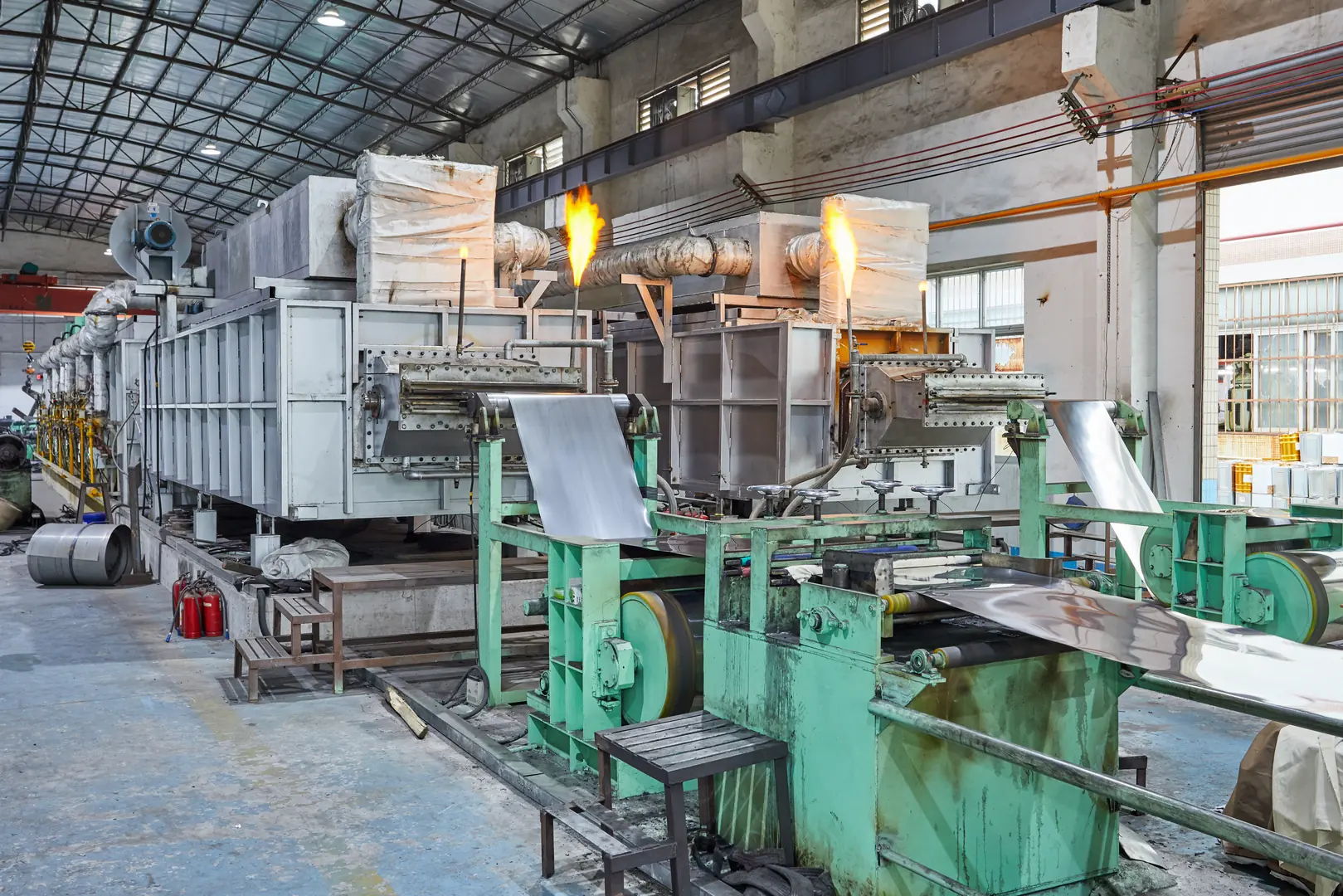
When you draw wire through a die, you are cold-working the metal. This process elongates the metal's crystalline grains and creates internal stresses, making the material significantly harder but also much less flexible. If you keep drawing it without any intervention, it will eventually snap. This is where annealing comes in. It's not just a step; it's a fundamental reset button for the material's properties.
From Brittle to Ductile
The entire goal of annealing is to restore ductility. By carefully heating the wire, we give the atoms in the crystal lattice enough energy to rearrange themselves. This relieves the internal stresses built up during the drawing process. The result is a wire that is soft and malleable again, ready for the next draw or for its final application where flexibility is critical. Without this crucial step, producing fine wires or complex wire forms would be impossible.
The Science of Recrystallization
The magic happens during a phase called recrystallization[^1]. At the right temperature, new, strain-free grains begin to form within the metal's microstructure, replacing the old, deformed ones. This is what fundamentally changes the mechanical properties from hard and brittle to soft and ductile. Controlling this process is the key to consistent quality.
Analyzing the Impact of Annealing on Wire Hardness?
Uncontrolled annealing creates inconsistent hardness. This inconsistency is a direct path to product rejection, wasted material, and operational headaches that I see companies struggle with all the time.
Annealing directly reduces wire hardness by allowing the metal's grain structure to reform and eliminate defects created during cold working. The final hardness is determined entirely by the precision of the annealing temperature, hold time, and cooling rate.
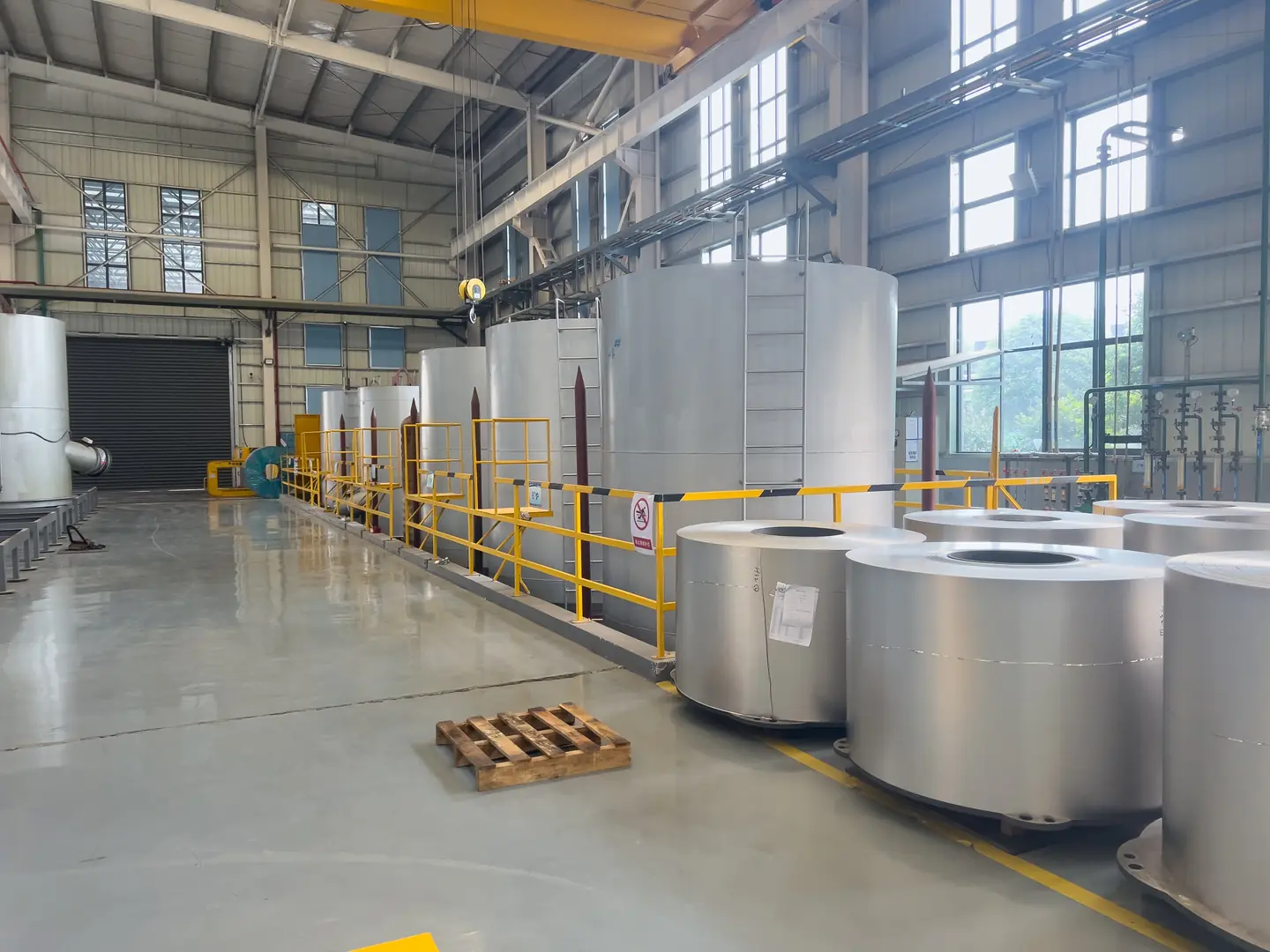
The relationship between annealing and hardness is direct and predictable, but only if you have absolute control. Think of it like baking. A few degrees off on the oven temperature can be the difference between a perfect loaf and a burnt brick. It's the same with metal, but the tolerances are even tighter.
The Temperature-Hardness Connection
For any given material, whether it's 304 stainless steel or copper, there is a specific temperature range for recrystallization. If you go below this range, the wire won't soften enough. If you go above it, the grains can grow too large, negatively affecting other properties. At AKS, we build our furnaces to maintain a temperature stability of ±3℃. This level of precision ensures that the recrystallization process is uniform, resulting in consistent hardness across the entire length of a 10,000-ton coil and from one batch to the next.
Why Precision Matters
This precision is what separates a 90% quality rate from a 99% one. Small temperature variations lead to inconsistent hardness, which can cause major problems downstream. Here's a simple breakdown:
| Temperature Control | Resulting Hardness | Product Quality |
|---|---|---|
| Poor (±10℃) | Inconsistent | High rejection rate |
| Standard (±5℃) | Mostly consistent | Acceptable, but with defects |
| Precise (±3℃) | Highly Consistent | Qualification rates >99% |
This data shows why investing in precision equipment isn't a cost; it's a strategy for profitability.
Evaluating the Benefits of Controlled Annealing for Quality Improvement?
Poor annealing causes oxidation and surface defects. These flaws lead to scrapped products, customer complaints, and damage to your company's reputation. It’s a problem that needs a definitive solution.
The main benefit of controlled annealing is achieving uniform mechanical properties and a flawless surface finish. By using a protective atmosphere, it prevents oxidation, which directly boosts product qualification rates to over 99% and eliminates costly secondary cleaning steps.

When we talk about "controlled annealing," we're referring to two critical factors: temperature and atmosphere. We've covered temperature, but the atmosphere inside the furnace is just as important for quality. The term "Bright Annealing Furnace[^2]," our flagship product, comes from the result it produces: a wire so clean and free of oxides that it has a bright, mirror-like finish.
Eliminating Surface Oxidation
Oxygen is the enemy of a perfect finish. At high annealing temperatures, any oxygen present will react with the metal surface, creating a layer of oxide scale. This scale is a defect. It has to be removed, which requires extra steps like acid pickling—a costly and environmentally challenging process. Our furnaces solve this by maintaining an atmosphere with less than 10ppm (parts per million) of oxygen. This ultra-low oxygen level[^3] makes oxidation chemically impossible, ensuring the wire comes out as clean as it went in.
Achieving Uniformity Across the Coil
This level of control delivers incredible uniformity. [Insert anecdote about a client's success in reducing defects]. This client's experience is not unique. By removing the variables of temperature swings and atmospheric contamination, we empower manufacturers to produce a consistently high-quality product. This is how you achieve a product qualification rate of over 99%.
Strategic Measures to Achieve 99% Quality Rate in Wire Manufacturing?
Trying to hit a 99% quality rate can feel impossible. Constantly fighting defects and inconsistencies drains resources, time, and team morale, pulling focus from growth and innovation.
The strategy requires three measures: first, implementing unwavering process control; second, investing in reliable, high-uptime equipment; and third, establishing rigorous, data-driven quality monitoring. This combination ensures every meter of wire meets specification without deviation.
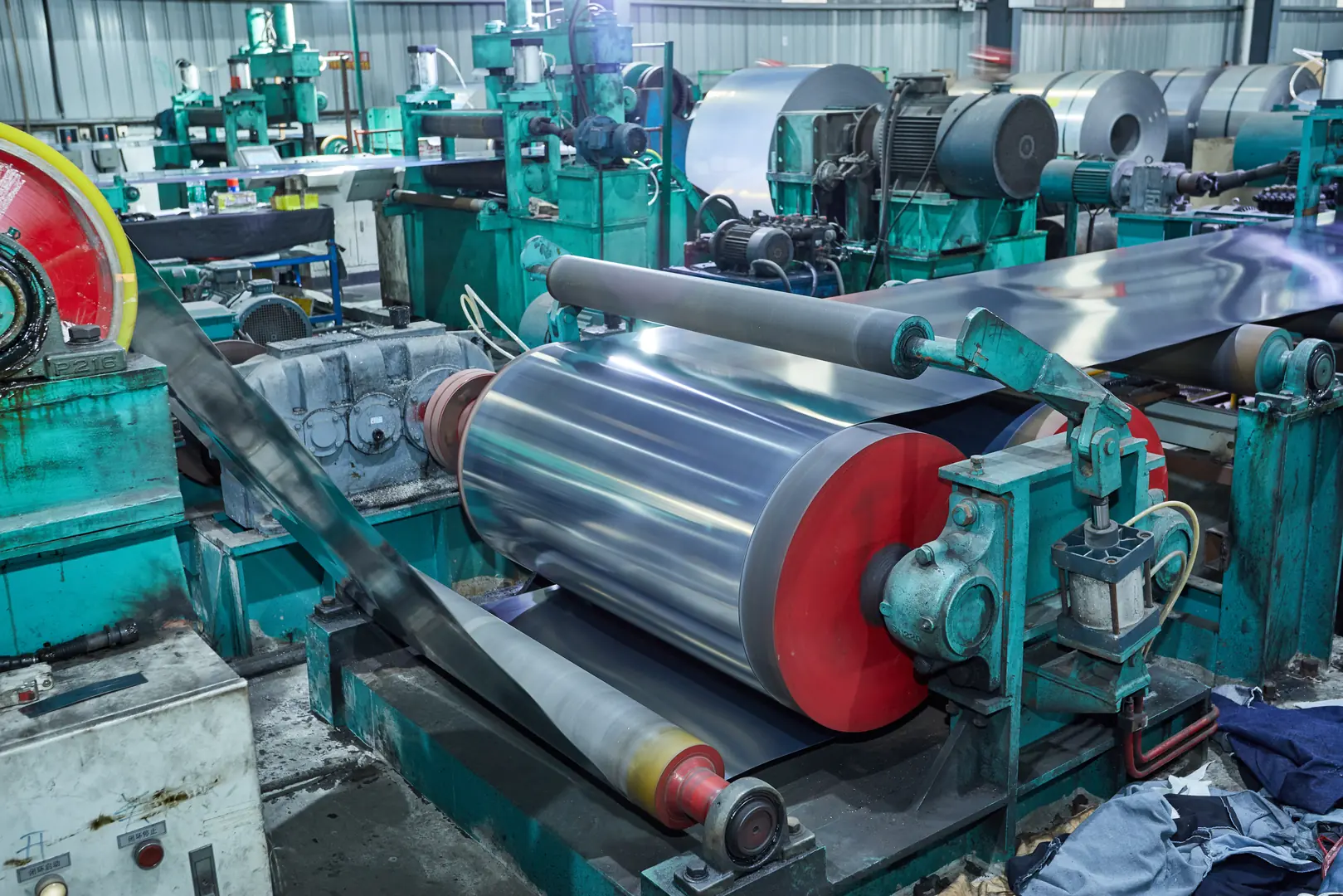
From my position, I see that the most successful companies don't view quality as an inspection step at the end of the line. They build it into the core of their manufacturing strategy. For wire annealing, this means treating the furnace not as a simple machine, but as a strategic asset for guaranteeing quality.
Measure 1: Unwavering Process Control
This is non-negotiable. You must have equipment that can hold temperature to within ±3℃ and keep the atmosphere below 10ppm O2. Without this foundation of control, you are leaving quality to chance. Predictability comes from precision.
Measure 2: Investment in High-Uptime Equipment
A 99% quality rate is useless if your production line is always down. Frequent downtime is a major pain point for manufacturers. That’s why we designed our furnaces for stable, 24/7 operation with over 98% uptime and a maintenance interval of at least 180 days. This reliability ensures you can meet production targets without interruption, turning your quality advantage into a real market advantage.
Measure 3: Data-Driven Quality Assurance
When your process is stable and your equipment is reliable, quality assurance becomes much simpler. The consistent output allows you to rely on process data, knowing that if the parameters are correct, the product will be correct.
Best Practices for Implementing Effective Annealing Processes?
Just buying good equipment isn't the whole story. A poorly implemented process, even with the best furnace, will still produce inconsistent and low-quality results, wasting the investment.
Best practices include developing material-specific annealing recipes, regularly calibrating all sensors, and training operators thoroughly. Critically, it involves selecting customizable equipment that can be tailored to your unique production needs, ensuring optimal performance.
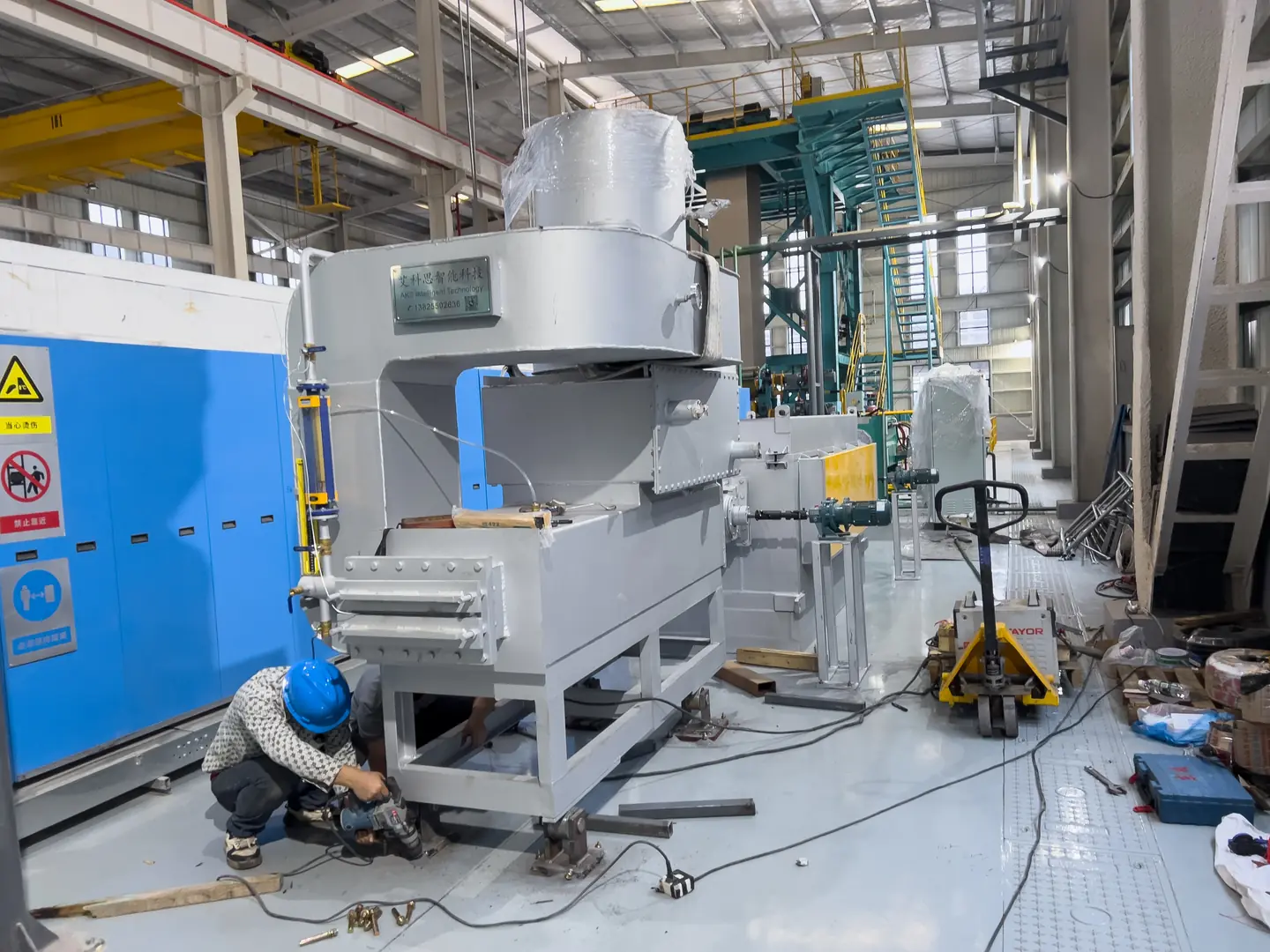
To get the most out of your annealing process, you need to combine the right technology with the right operational discipline. Here are the practices I always recommend to our clients to help them maximize their return on investment.
Tailored Annealing Profiles
Different materials require different treatments. Stainless steel, copper, and aluminum all have unique annealing temperature and time requirements. The best practice is to develop and program specific "recipes" for each product you run. This ensures repeatability and removes guesswork from the operator's responsibilities.
Why Customization is Key
Standard, off-the-shelf equipment often fails to meet specific production needs. This is a common frustration I hear. That is why over 70% of the furnaces we deliver are customized. We work with clients to design a solution that fits their exact material types, coil sizes, and production flow. This tailored approach is a best practice because it ensures the equipment is perfectly optimized for the job it needs to do.
Focus on Energy Efficiency
Finally, a modern best practice is to make energy efficiency a core requirement. High energy consumption is a major operating cost. Our furnaces are designed with advanced fuel/air ratio controls and a dual-layer heat recovery system. This technology reduces gas consumption by 10-17% compared to competitors, directly lowering operating costs and making the entire process more profitable.
Conclusion
Precise annealing is not just a technical step; it is a core business strategy for success in wire manufacturing. By controlling hardness through advanced furnace technology that guarantees temperature and atmosphere precision, you can achieve a 99% quality rate, lower energy costs, and secure a powerful competitive advantage.

 English
  Русский