
High energy bills and inconsistent product quality are constant pressures in metal processing. This erodes profits and makes it hard to compete. You need a reliable solution that works.
Industrial annealing is done to soften metals, improve their workability, and relieve internal stresses. At AKS, we've engineered our Bright Annealing Furnaces to perform this vital process while cutting gas consumption by up to 17%, directly improving product quality and lowering your operating costs.

As a General Manager in this industry, I've seen firsthand how the right heat treatment technology can transform a business. It's not just a process; it's a strategic advantage. Let's explore how modern annealing is not just a necessary step, but a powerful tool for achieving significant energy savings and superior product quality.
What Is Industrial Annealing and Its Historical Context?
Struggling to understand how annealing fits into modern production? It can seem like an old process, but its role is more critical than ever for meeting today's quality demands.
Industrial annealing is a heat treatment process that alters a metal's microstructure to make it more ductile and less hard. Historically a simple heating and cooling process, today it is a precise, controlled science essential for producing high-quality stainless steel, copper, and aluminum products.
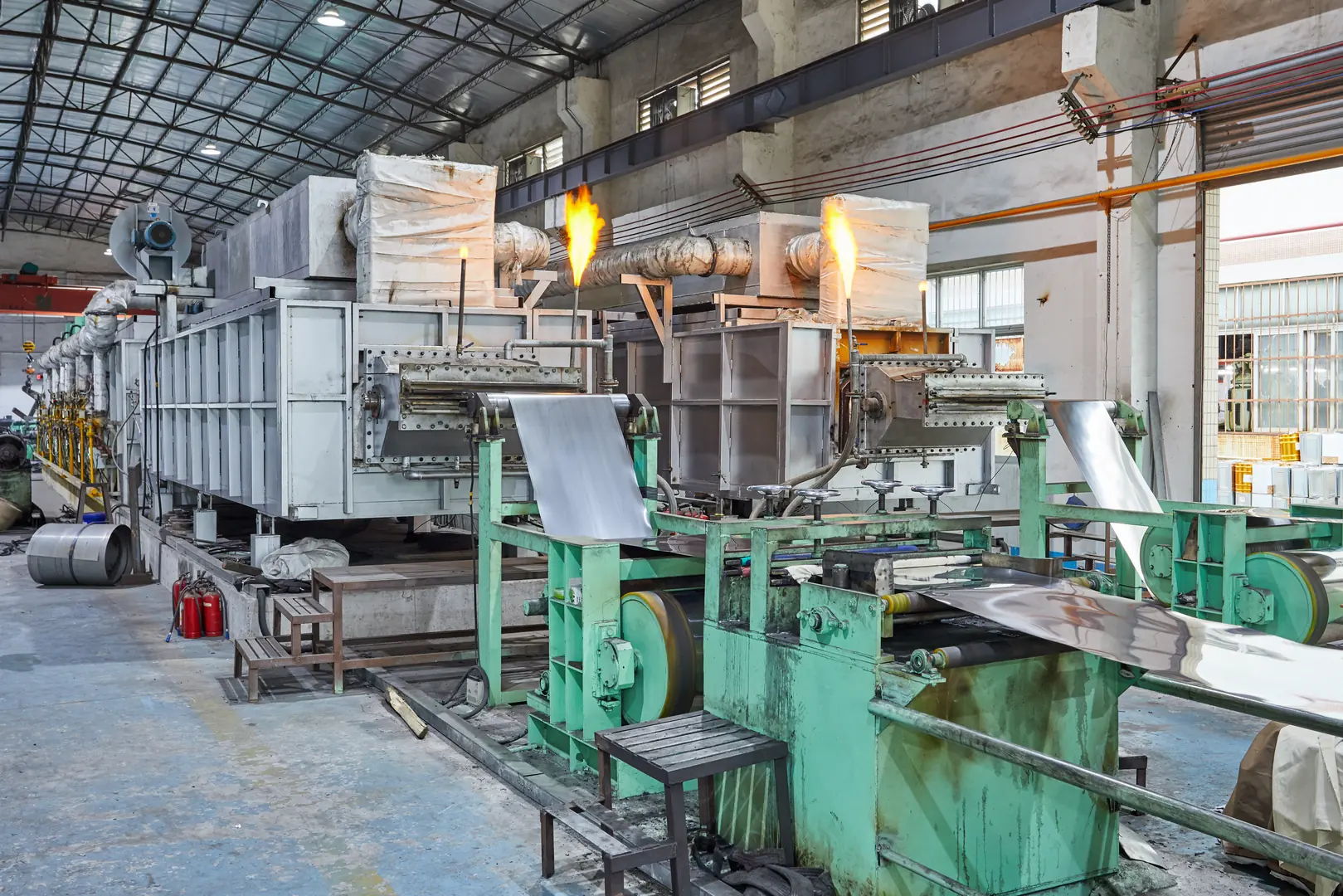
From my perspective, the core purpose of annealing hasn't changed, but the technology has revolutionized its impact. In the past, annealing was more of an art. Operators relied on experience to heat a metal and let it cool, hoping for the best. The goal was simple: make the metal workable for the next stage of production. But this often led to inconsistent results, surface oxidation[^1], and wasted energy. Today, we've moved far beyond that. Modern annealing, especially bright annealing, is about precision. It's a science-driven process that we can control down to the finest detail. For example, our furnaces at AKS maintain temperature with a precision of ±3℃ and control the protective atmosphere to have less than 10 parts per million of oxygen. This level of control was unimaginable just a few decades ago. It's this precision that turns a basic metal-softening step into a critical quality-control and cost-saving operation.
What Are Current Industrial Annealing Practices and Their Energy Use?
Are you watching your energy costs climb with every production run? Many standard annealing furnaces are inefficient, consuming huge amounts of gas and directly impacting your bottom line.
Current industrial annealing practices often involve continuous furnaces that consume significant energy. Many older systems lack modern heat recovery and precise fuel control, leading to high operational costs. Our data shows these furnaces often use 10-17% more gas than our advanced AKS solutions.

I talk to production managers all the time, and their biggest complaint is energy consumption. A typical annealing line can be one of the most energy-intensive parts of a metal processing plant. The standard practice involves burning large amounts of natural gas to heat the furnace, and much of that heat is simply lost through the exhaust stack or inefficient insulation. This is where we decided to focus our R&D at AKS. We saw a huge opportunity for improvement. By implementing a dual-layer heat recovery system[^2], we capture and reuse waste heat to preheat the combustion air. This simple but effective innovation immediately reduces the amount of fuel needed. We also engineered an advanced fuel-to-air ratio control system[^3]. It ensures we are burning gas at peak efficiency at all times, preventing waste. These aren't minor tweaks; they result in a direct, measurable reduction in gas consumption by 10-17% compared to many competitors, which translates to a 20-40% reduction in overall energy costs for our clients.
What Challenges Do Metal Processors Face in Achieving Energy Efficiency?
Is frequent downtime, product oxidation, and unpredictable performance preventing you from hitting your targets? These are common challenges that directly tie back to inefficient and outdated annealing equipment.
Metal processors face major challenges including high energy consumption, production instability, and poor product quality due to oxidation. Frequent equipment downtime and the inability of standard furnaces to meet specific process needs further hinder efficiency and profitability, creating a cycle of high costs and low output.
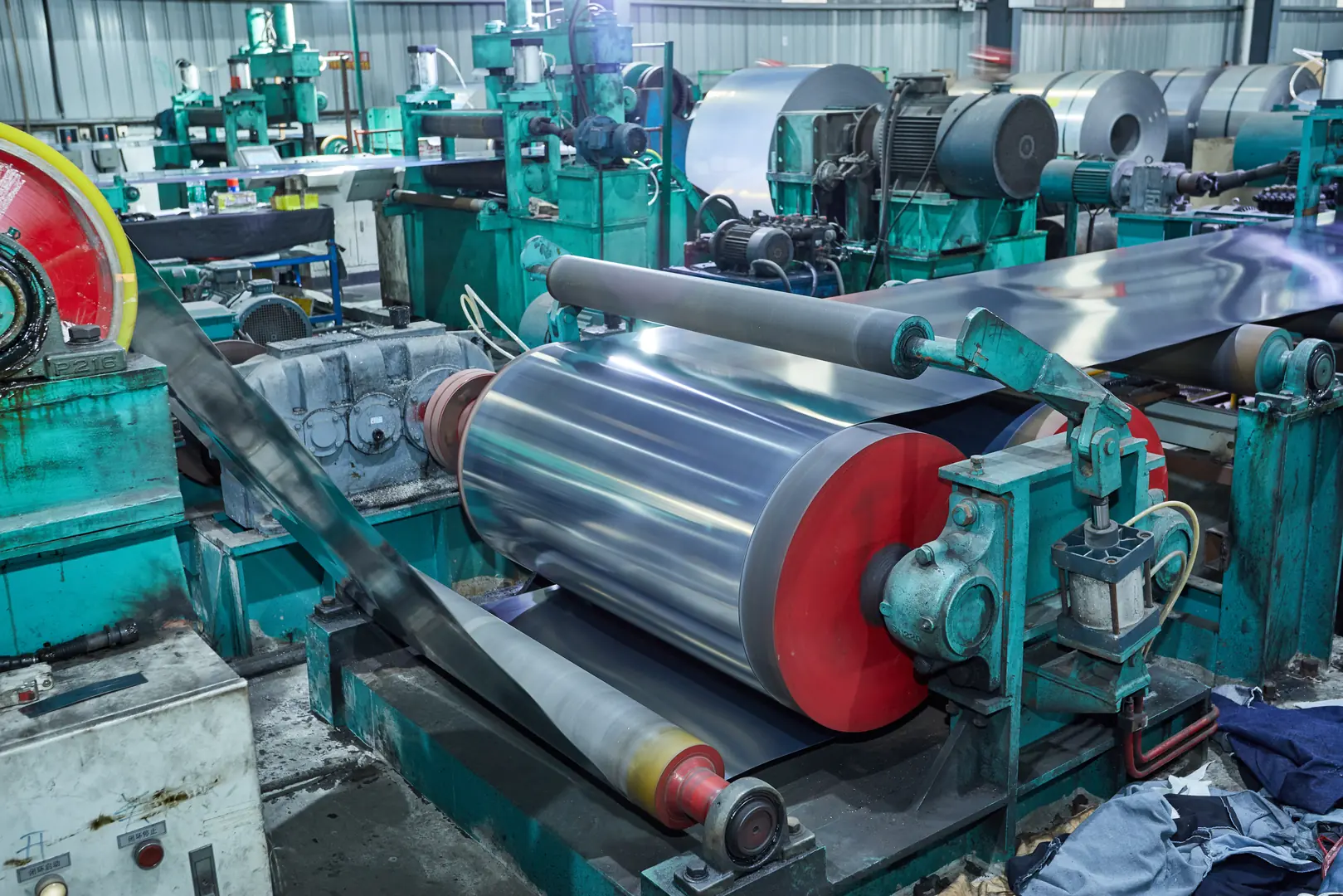
When my team and I visit potential clients, we see the same problems repeatedly. Their biggest headaches are not just about the monthly gas bill; they are interconnected issues that all stem from the furnace.
Common Operational Hurdles
- High Energy Consumption: As discussed, this is the most obvious pain point. It directly impacts operating expenses and makes it difficult to compete on price.
- Production Instability: An older furnace might struggle to maintain a stable temperature. This leads to inconsistent annealing results, causing some batches to be too hard and others too soft.
- Poor Product Quality: A major issue is oxidation. If the furnace atmosphere isn't perfectly controlled (<10ppm O2), the metal surface oxidizes, resulting in a dull finish and requiring costly secondary cleaning processes like acid pickling.
- Frequent Downtime: Unreliable equipment means unplanned stops. We design our furnaces for long-term industrial use, with maintenance intervals of 180 days or more and over 98% uptime, because we know every hour of downtime is lost revenue.
These challenges create a frustrating environment where managers are constantly fighting fires instead of focusing on growth.
What Are Proven Strategies for Enhancing Energy Efficiency in Annealing?
Looking for a clear path to lower energy costs and higher productivity? The solution lies in adopting technology specifically designed to tackle the core inefficiencies of traditional annealing furnaces.
Proven strategies include implementing advanced heat recovery systems, optimizing the fuel-to-air combustion ratio, and using precision cooling. At AKS, our furnaces integrate these technologies to cut gas usage by 10-17%, boost annual production by over 10%, and ensure stable 24/7 operation.

At AKS, we built our company around solving these exact problems. Our strategy isn't based on a single feature but on an integrated system where every component works together to maximize efficiency. Here is how we do it.
Core Technological Innovations
| Technology | Traditional Method | AKS Solution | Direct Benefit |
|---|---|---|---|
| Heat Management | Heat lost via exhaust. | Dual-layer heat recovery system preheats combustion air. | Lowers fuel needed to reach target temperature. |
| Combustion Control | Fixed or manual air ratio. | Advanced fuel/air ratio control system. | Ensures optimal fuel burn, no waste. |
| Atmosphere Control | Basic atmosphere seals. | Precision seals and sensors maintain <10ppm O2. | Prevents oxidation, achieves >99% product qualification. |
| Operational Stability | Frequent maintenance. | Designed for >98% uptime, ≥180 day service interval. | Maximizes production time and reliability. |
By focusing on these core areas, we deliver a furnace that is not just an incremental improvement, but a fundamental shift in performance. [Insert anecdote about a client's success in reducing energy costs]. This is how we turn a capital investment into a clear and predictable return.
What Are the Best Technical Recommendations for Metal Processors to Optimize Annealing Processes?
Ready to make a change but need to know what to look for? The key is to focus on equipment that offers measurable performance, reliability, and the flexibility to meet your specific needs.
We recommend processors select furnaces with proven energy efficiency, such as those with advanced heat recovery. Prioritize systems that guarantee precise temperature (±3℃) and atmosphere (<10ppm O2) control. Also, look for high uptime (>98%) and customization options to match your unique production requirements.
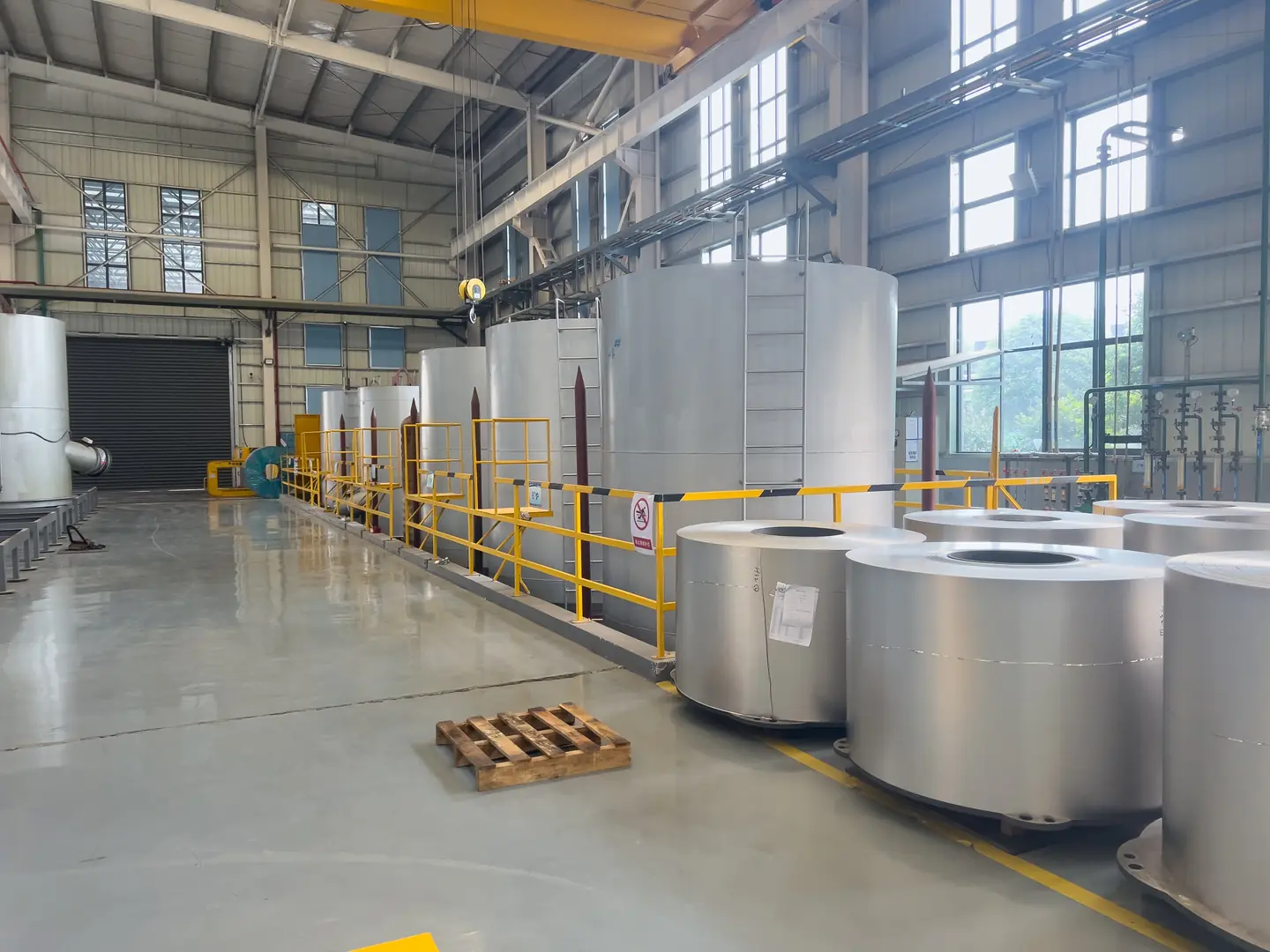
As an engineer and a business leader, I advise C-suite executives and production managers to look beyond the initial price tag. The total cost of ownership is what truly matters. When evaluating a new bright annealing furnace, ask for specific, data-backed answers to these questions. First, what is the guaranteed gas consumption per ton of material? Demand real-world data, not just theoretical maximums. We proudly state our furnaces use 10-17% less gas. Second, what is the guaranteed product qualification rate? A high-quality furnace should deliver bright, oxidation-free surfaces consistently, achieving rates over 99%. This eliminates rework and waste. Third, what is the operational uptime? A furnace is only making you money when it's running. Look for robust designs built for 24/7 operation, like our equipment with over 98% uptime. Finally, can the furnace be customized? Over 70% of our orders are customized because we know that a standard solution rarely delivers optimal performance.
Conclusion
In short, modern industrial annealing is your key to cutting energy costs by up to 17% and boosting product quality. By choosing technology with proven heat recovery, precise controls, and high reliability, you secure a powerful competitive advantage for your metal processing operations.
 English
  Русский