
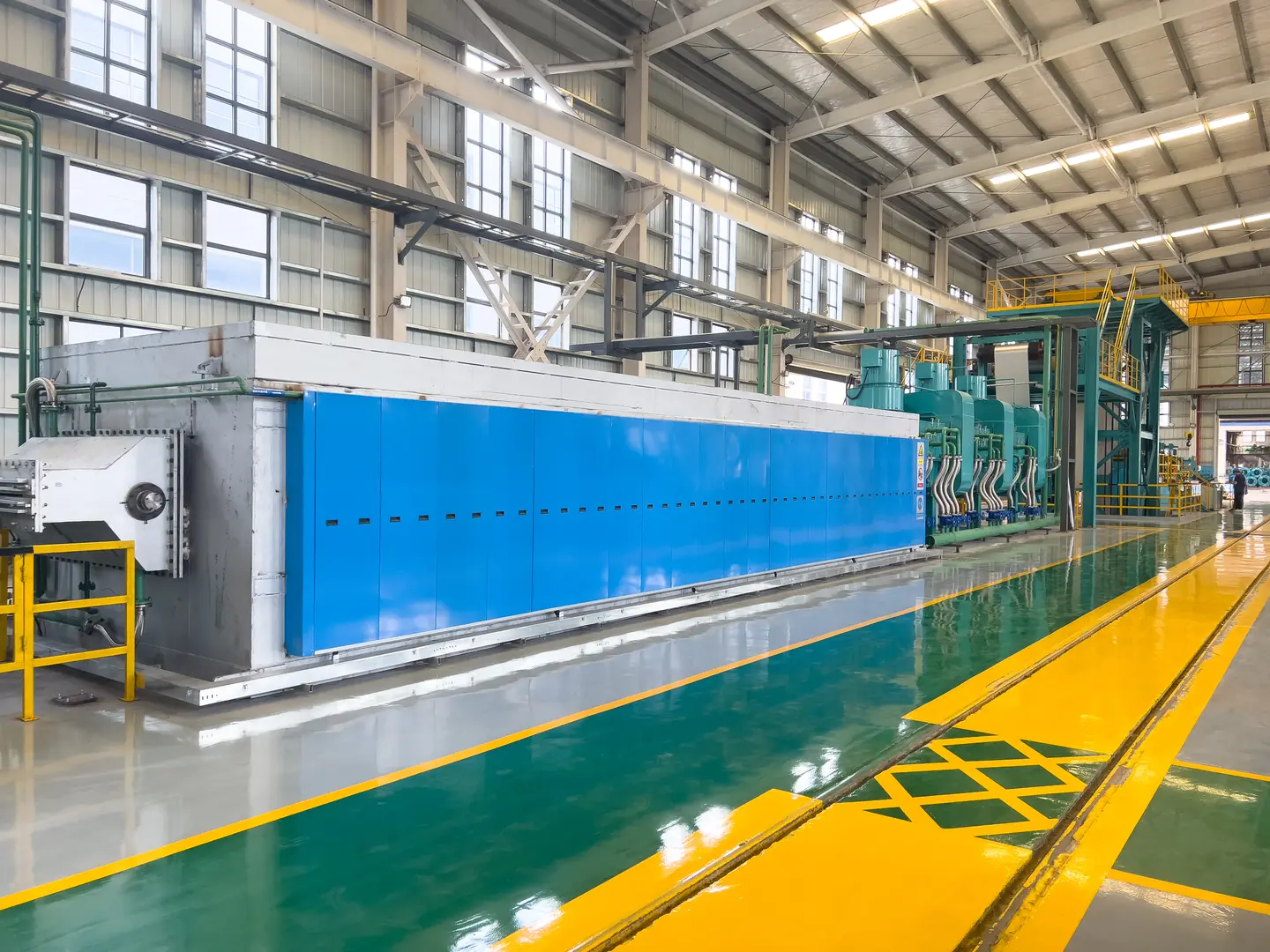
Your stainless-steel strip is failing quality checks due to internal stress and a dull, oxidized surface. This directly hurts your bottom line. My team and I solve this problem daily.
The annealing process for stainless steel achieves stress relief and a bright finish by precisely heating the metal to recrystallize its grain structure, then cooling it in a controlled, oxygen-free atmosphere. This dual action removes internal stress and prevents surface oxidation, ensuring a high-quality product.
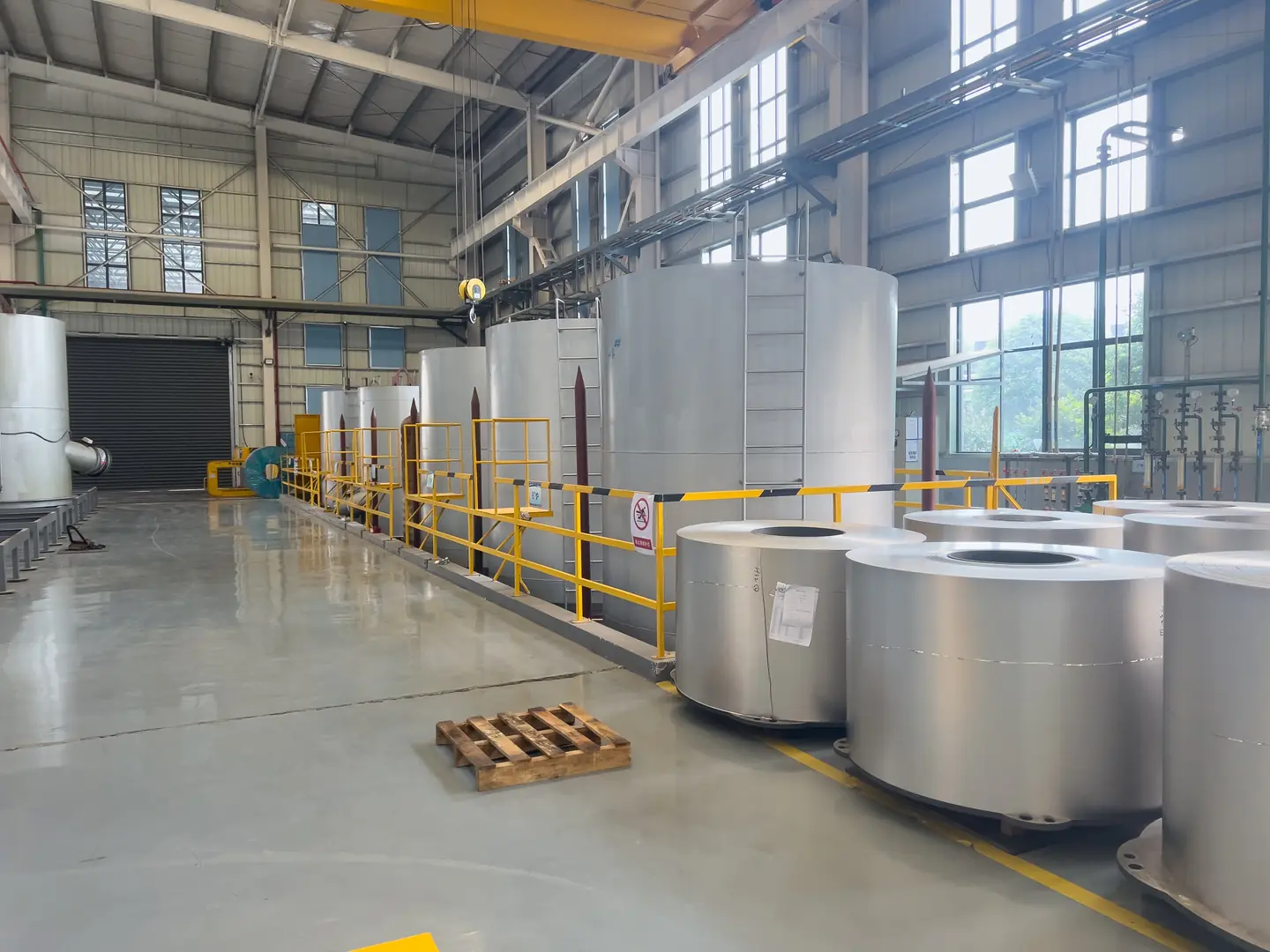
From my experience as General Manager at AKS, I know that mastering this process is more than a technical task; it's a strategic advantage. It's the key to unlocking higher productivity and lower operational costs. Let's walk through the critical steps my team and I focus on to deliver these results for our clients.
How Should You Prepare Stainless-Steel Strip for Annealing?
You send a strip into the furnace with minor surface contaminants. These impurities then bake into the steel, creating costly defects. Proper preparation is the simple, essential step to avoid this.
To prepare stainless-steel strip for annealing, you must meticulously clean the surface to remove all oils, grease, and other residues. This vital first step prevents surface defects during heating and is essential for achieving a uniform, bright finish post-treatment.
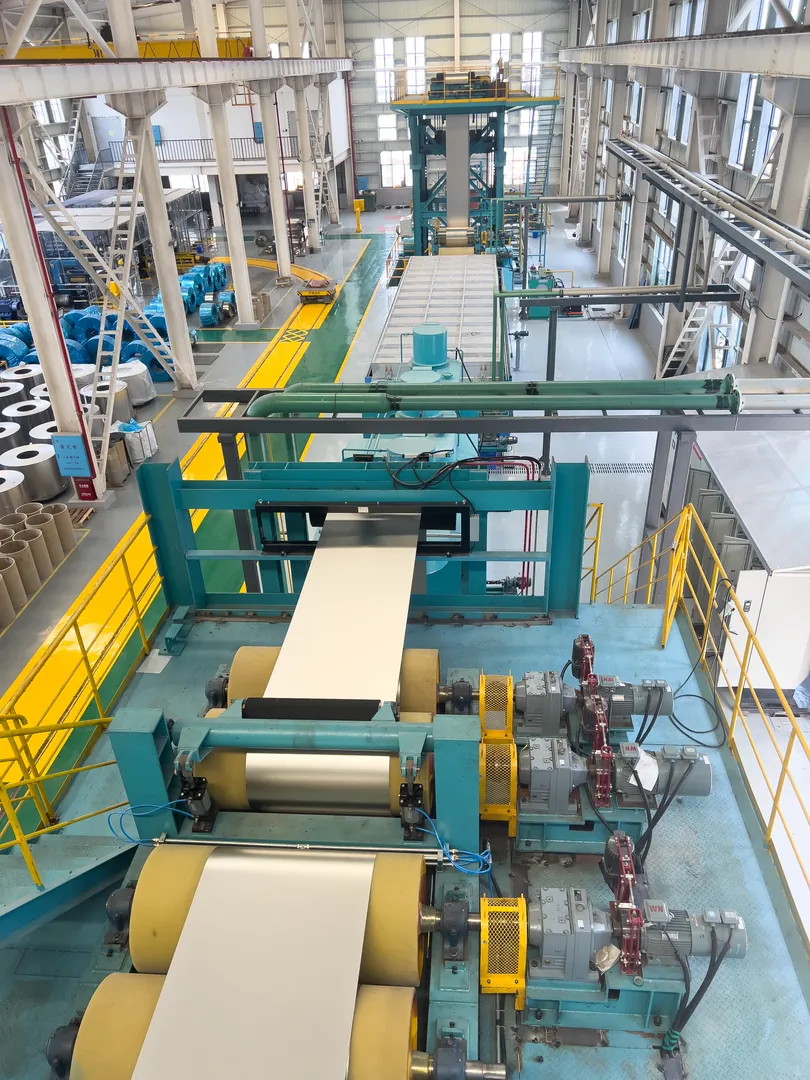
In my work, I've seen how overlooking this stage can undermine the entire heat treatment process. It's a foundational step. Any residual contaminants on the strip's surface will react under high heat, leading to discoloration, pitting, or scaling. This immediately disqualifies the product. Our AKS Bright Annealing Furnaces are engineered for incredible precision, but they operate on a simple principle: quality in, quality out. A clean surface allows the protective atmosphere inside the furnace to do its job effectively, preventing any interaction between the steel and trace oxygen. This is how we consistently help our clients achieve product qualification rates of over 99%. The preparation phase isn't just about cleaning; it's about setting the stage for perfection and ensuring that the investment in advanced annealing technology delivers its maximum return.
What is the Goal of the Initial Heating Phase for Stress Relief?
Cold-rolled steel contains significant internal stress. If not addressed, this stress can cause warping or cracking during subsequent processing. The initial heating phase is designed specifically to neutralize this threat.
The primary goal of the initial heating phase is to raise the stainless-steel strip's temperature uniformly to just below its recrystallization point. This process carefully relieves internal stresses from manufacturing without disrupting the metal's fundamental grain structure.
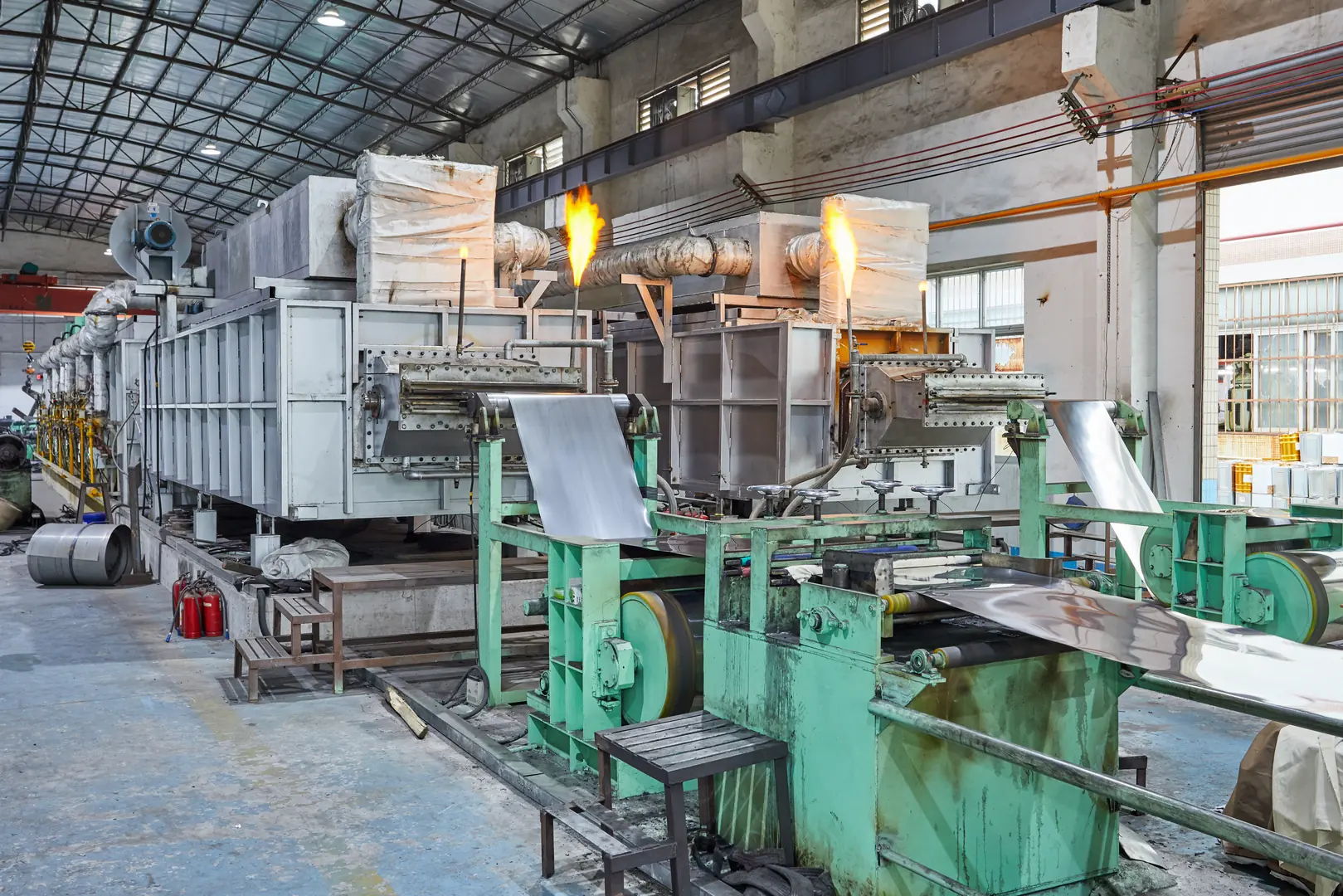
This phase is all about control. Heating too quickly or unevenly can introduce new stresses, defeating the purpose of the process. This is where our furnace technology makes a significant difference.
Precision Control is Key
We designed our furnaces with an advanced fuel/air ratio control system. This system ensures the combustion is incredibly efficient and stable. The result is a heating process that is both powerful and gentle.
Temperature Stability
Our technology maintains the temperature with an accuracy of ±3℃. This precision prevents overheating, which can damage the steel's mechanical properties. It ensures that every inch of the steel strip receives the exact same thermal treatment, effectively "relaxing" the metal and removing the stresses built up during rolling. This level of control is fundamental to producing reliable, high-quality stainless steel that performs as expected in demanding applications. For our clients, this translates to less waste and a more predictable production output.
Why is Maintaining Optimal Temperature Crucial for Effective Annealing?
You hit the target temperature, but then it fluctuates. These variations create inconsistencies in the steel's structure, leading to weak spots. Holding a perfectly stable temperature is non-negotiable for quality.
Maintaining a stable, optimal temperature is crucial because it allows the steel's grain structure to fully and uniformly recrystallize. This action erases the hardness from cold working and guarantees consistent mechanical properties throughout the entire coil.

At AKS, we see this stage as the heart of the annealing process. It's where the material is fundamentally transformed. To achieve this, our furnaces are built for extreme stability, ensuring 24/7 operation with uptimes exceeding 98%. This reliability means our clients can run continuous production cycles without worrying about temperature drops that could compromise an entire batch. The ±3℃ temperature precision we guarantee isn't just a technical specification; it's a promise of consistency. It ensures that the recrystallization process is perfect from the start of the coil to the very end. This directly impacts the final product's ductility and formability. A stable process leads to a stable, high-value product.
| Control Factor | Inconsistent Temperature | AKS Precision Control (±3℃) |
|---|---|---|
| Grain Structure | Non-uniform, mixed grains | Uniform, fully recrystallized |
| Mechanical Properties | Inconsistent, weak spots | Consistent, reliable strength |
| Product Quality | High rejection rate | >99% qualification rate |
| Operational Result | Wasted energy and material | Higher output, lower costs |
How Does the Cooling Process Ensure a Bright Finish?
Hot steel is highly reactive with oxygen. Exposing it to air while it's still hot instantly creates an oxide layer, or scale. This ruins the bright, reflective surface you need.
The cooling process ensures a bright finish by lowering the steel's temperature in a protective atmosphere with minimal oxygen (<10ppm O2). This controlled environment prevents oxidation, preserving the metal's natural luster and creating the desired "bright annealed" surface.
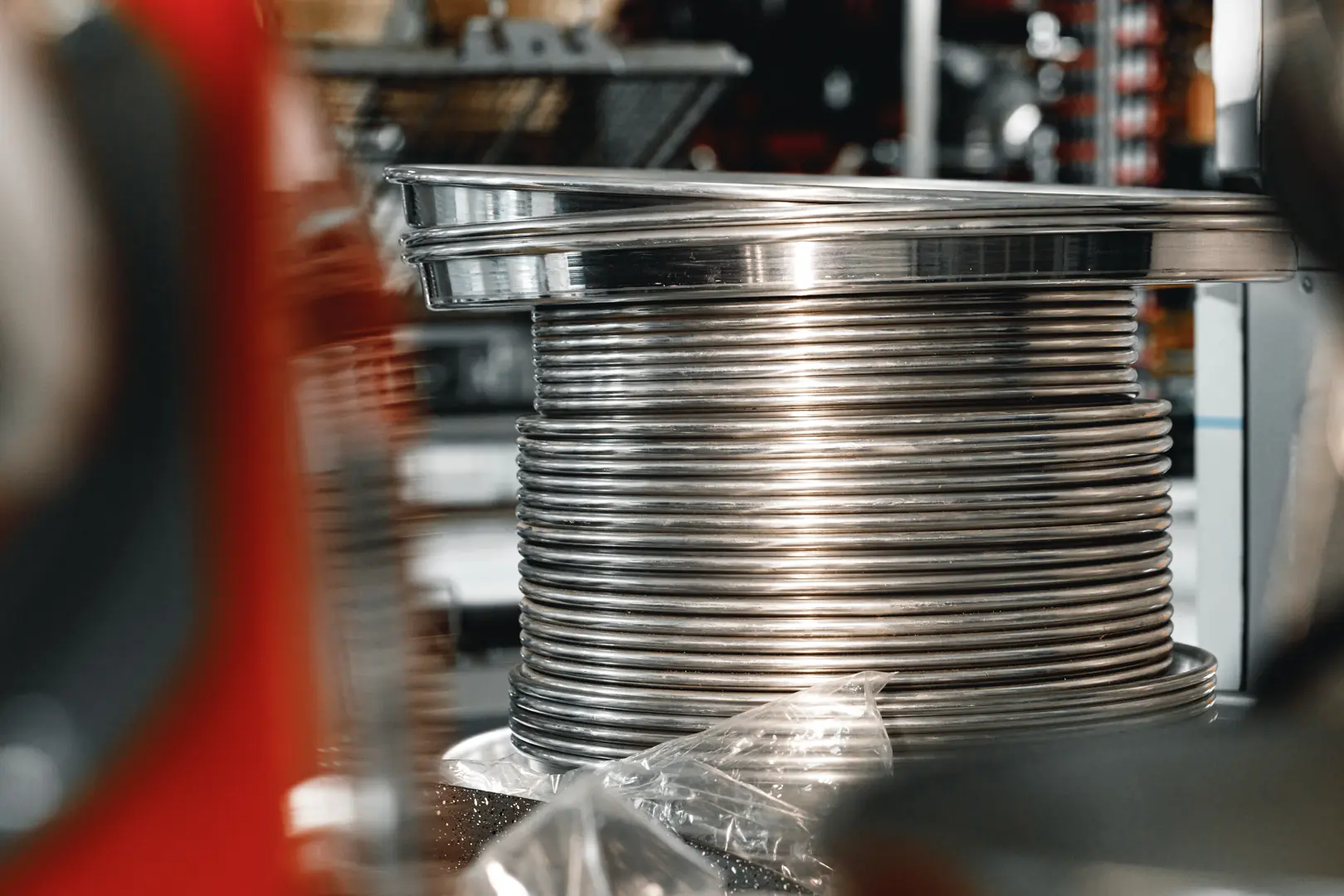
This is where the "bright" in Bright Annealing comes from. It's a direct result of superior engineering. My team and I have focused heavily on perfecting the cooling and atmosphere control systems in our furnaces.
Protective Atmosphere Control
We ensure the oxygen content inside our furnaces remains below 10 parts per million. This near-zero oxygen environment makes it physically impossible for oxidation to occur. The steel emerges from the furnace as clean and bright as it was when it entered.
Advanced Cooling & Energy Recovery
Our precision cooling system brings the steel's temperature down at an optimal rate. This prevents thermal shock while being fast enough for high-volume production. We integrated this with a dual-layer heat recovery system. This system captures waste heat from the furnace exhaust and uses it to preheat the combustion air. This innovation is a key reason our furnaces consume 10-17% less gas than competing models, directly lowering our clients' energy costs by 20-40%.
What Does Quality Inspection Involve After Annealing for Surface Brightness?
The strip exits the furnace looking perfect, but is it? A final inspection is required to confirm that the surface meets strict customer standards. Skipping this step risks shipping a defective product.
Post-annealing quality inspection involves a thorough visual check of the stainless-steel strip for a uniform, reflective, and defect-free surface. It confirms that the process successfully delivered both the required mechanical properties and the premium bright finish.

This final step is the moment of truth. It validates the effectiveness of the entire process. When our clients use AKS furnaces, this stage becomes a simple confirmation rather than a source of anxiety. Our systems are engineered to produce a product that passes inspection consistently, achieving qualification rates over 99%. Inspectors look for any sign of oxidation, discoloration, or surface imperfections. They check for a consistent luster across the entire width and length of the coil. Because our furnaces provide such precise control over every variable—from heating to atmosphere to cooling—the output is remarkably uniform. [Insert anecdote about a client's success in reducing defects]. This reliability is why industry leaders partner with us. They know our equipment is not just a machine, but a complete solution for producing top-quality bright annealed stainless steel.
Conclusion
Mastering the annealing process comes down to precise control at every stage. From clean preparation to stable heating and oxygen-free cooling, each step is critical. Our AKS furnaces integrate these controls, delivering superior stress relief and a perfect bright finish while significantly cutting energy costs and boosting productivity.
 English
  Русский