
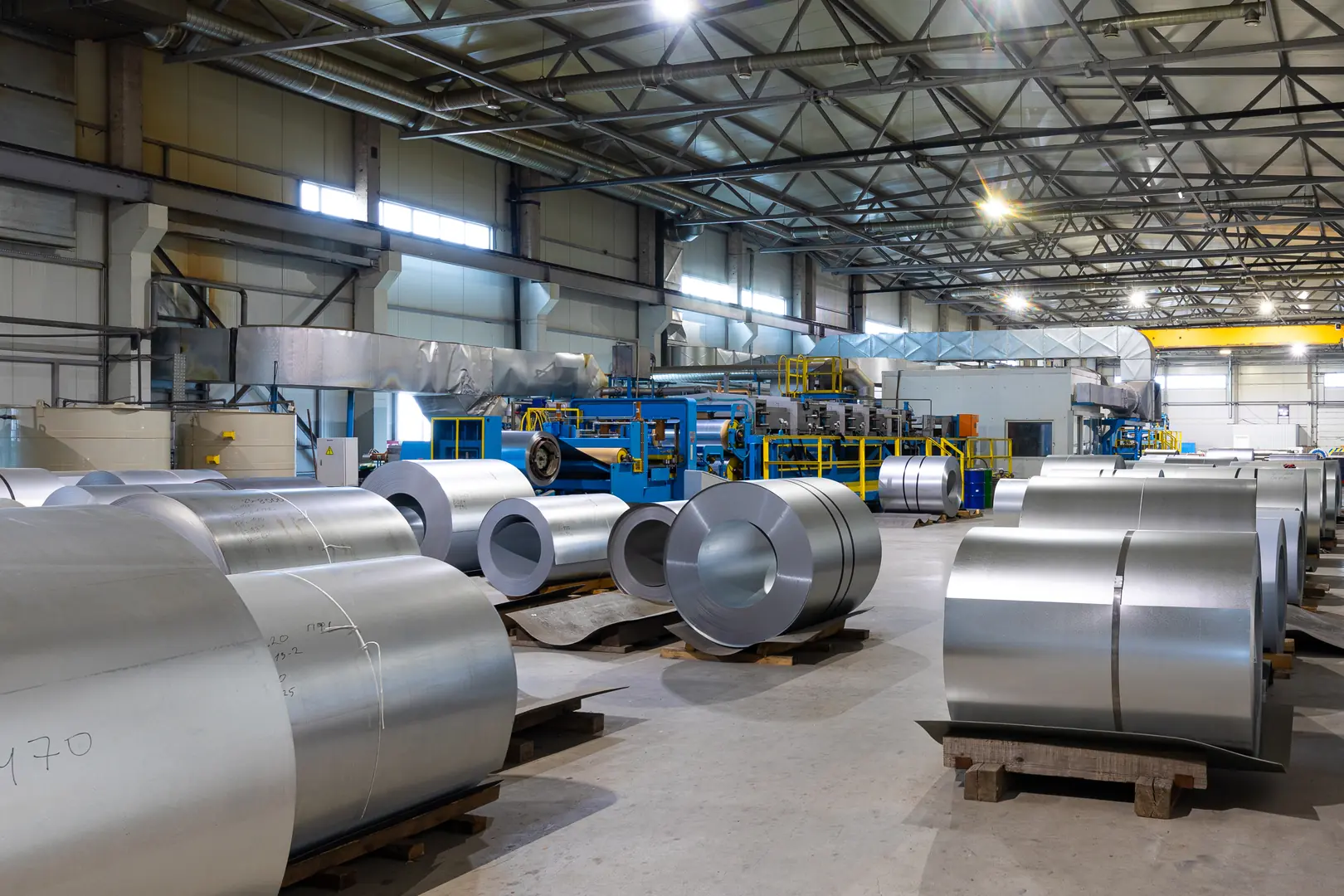
Struggling with inconsistent product quality and high energy bills? These issues often stem from inefficient heat treatment, leading to oxidized surfaces, wasted materials, and unpredictable production schedules that hurt your bottom line.
Yes, bright annealing is a critical heat treatment process that enhances metal durability and ensures operational stability. By heating and cooling metal in a controlled atmosphere, it prevents oxidation, resulting in a bright, clean surface and improved mechanical properties for superior performance.

As the General Manager of AKS, I've seen firsthand how mastering this process transforms a production line. It's not just about making metal shiny; it's about building a foundation of quality and efficiency that drives profitability. In this post, I’ll break down the essentials of bright annealing and how modern technology is making it more accessible and effective than ever.
Why Are the Fundamentals of Bright Annealing So Important?
Are you dealing with high rejection rates? Poor surface finishes can ruin an entire batch, costing you time and money. Understanding the core of bright annealing is the first step to solving this.
The fundamentals of bright annealing are vital because they directly impact product quality, cost, and reliability. A proper process ensures an oxide-free surface, uniform grain structure, and optimal ductility, which are essential for high-value applications in industries from automotive to electronics.
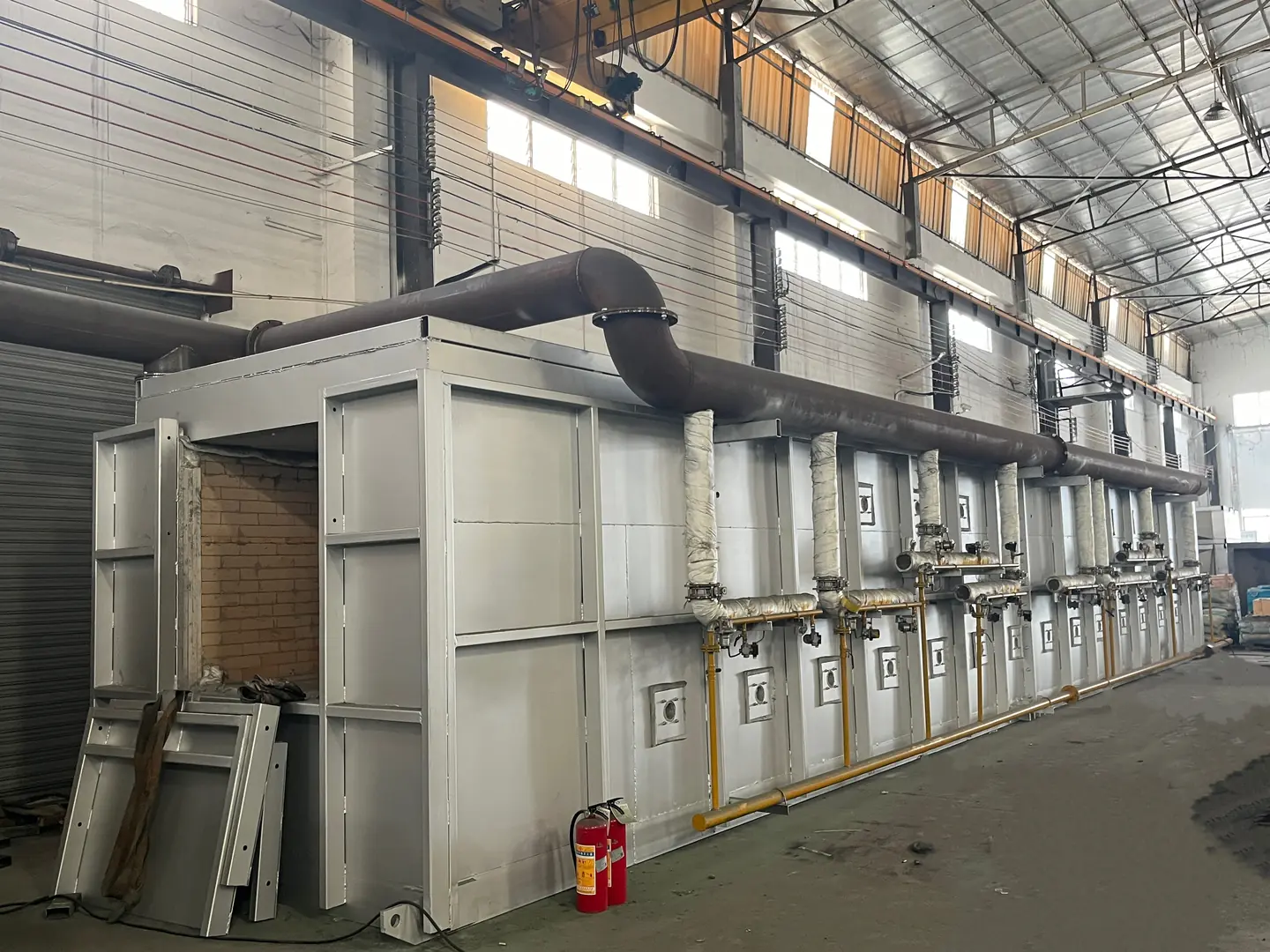
Let's dive deeper into why this matters. The goal of any annealing process is to relieve internal stresses in metal after it's been worked, like rolling or drawing. This makes the material softer and more ductile for further processing. The "bright" part is the key differentiator. By performing this process in a controlled atmosphere, typically a mix of hydrogen and nitrogen[^1], we eliminate oxygen. Without oxygen, there's no oxidation, which means the metal comes out with a clean, bright, mirror-like finish. This isn't just for looks. An oxide-free surface is crucial for applications requiring welding, plating, or a high-quality aesthetic. At AKS, our furnaces are designed to achieve this flawlessly. We've seen clients achieve product qualification rates[^2] over 99% simply by getting the atmosphere control right. It proves that focusing on these fundamentals is the most direct path to reducing waste and producing a consistently superior product.
Where is Bright Annealing Used in Industrial Processes Today?
Wondering if this process applies to your specific products? Many manufacturers miss opportunities because they don't see the connection. This can leave them struggling with materials that are difficult to form or finish.
Bright annealing is widely used for processing stainless steel coils (like 201 and 304), copper and brass strips, and aluminum foils. Its applications span across industries, including automotive parts, medical devices, kitchenware, and electronic components where surface integrity and formability are critical.

The applications are incredibly diverse because the benefits are so fundamental. Think about the stainless steel in your kitchen sink or the precision tubing used for medical needles. Both require a flawless surface and specific mechanical properties that bright annealing provides. In my experience, the most common users are in metal processing.
Key Application Areas
- Stainless Steel Processors: For grades like 304, a bright, corrosion-resistant surface is a primary selling point. Our furnaces help clients produce thousands of tons of this material monthly.
- Copper and Brass Rolling Mills: These metals are often used in electronics and plumbing. Bright annealing ensures they have the high conductivity and formability needed.
- Aluminum Foil Manufacturers: For certain high-grade foils, a clean surface is non-negotiable.
Here’s a quick look at the materials we handle most often with our equipment:
| Material | Common Grades/Types | Key Industry Applications |
|---|---|---|
| Stainless Steel | 201, 304 | Kitchenware, Automotive Trim |
| Copper & Brass | Strips, Tubes | Electronics, Plumbing, Ammunition |
| Aluminum | Foil, Sheets | Packaging, Heat Exchangers |
By understanding where it's used, you can see how this single process underpins the quality of countless everyday products.
What Are the Common Challenges in Implementing Bright Annealing?
Are high energy costs and frequent downtime eating into your profits? Many companies invest in heat treatment equipment only to face constant operational headaches and inconsistent results, making it hard to stay competitive.
The most common challenges in bright annealing are high energy consumption, maintaining precise temperature and atmosphere control, ensuring production stability, and frequent equipment downtime. These issues directly lead to poor product quality, increased operational costs, and lower productivity.
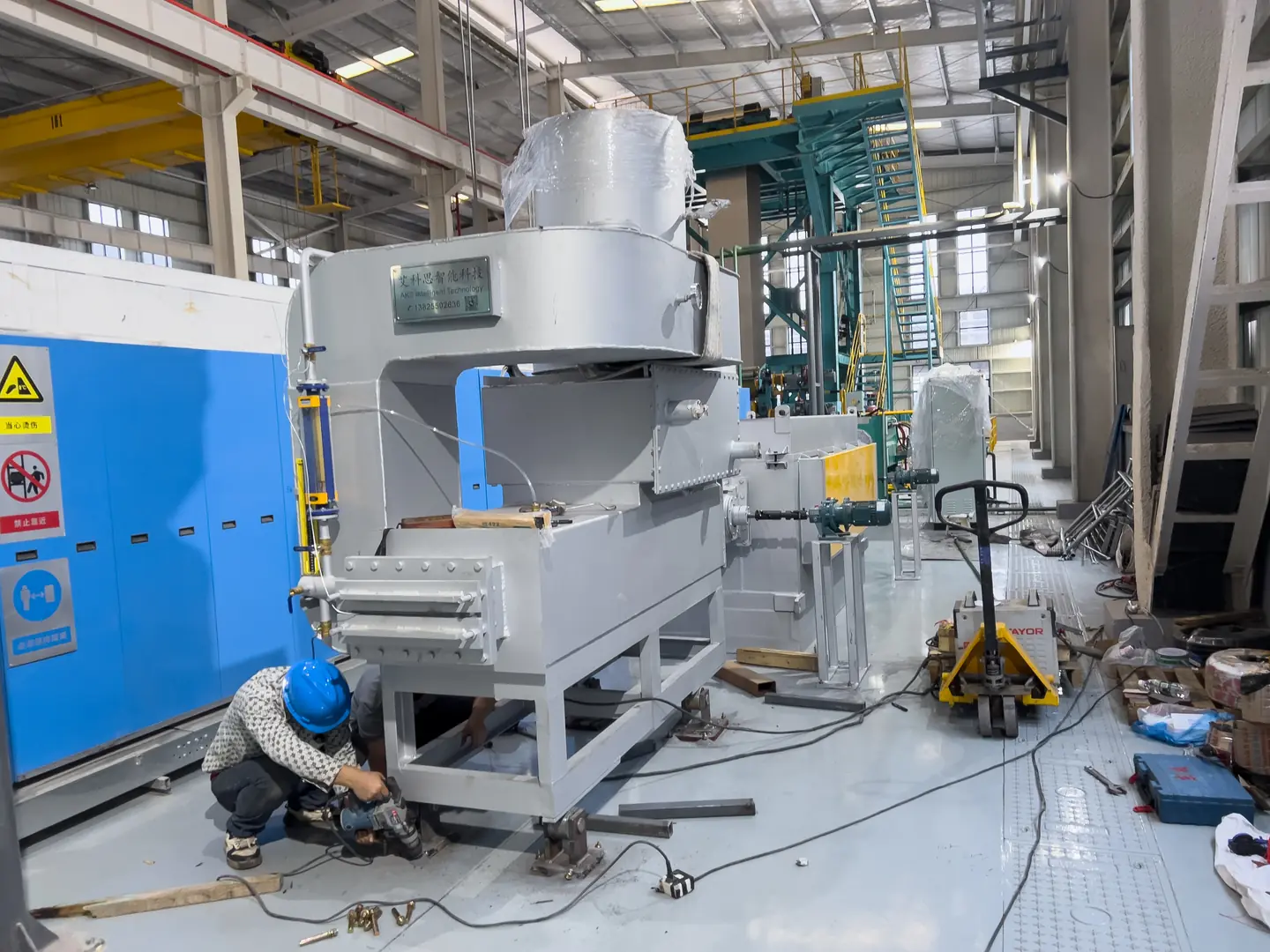
I talk to production managers and engineers every week, and their frustrations are almost always the same. They are under pressure to increase output and quality while keeping costs down, but their equipment often fights them every step of the way. The biggest pain point is energy. Traditional furnaces are notoriously inefficient, burning through gas and driving up operational expenditures. Another major issue is control. Even small fluctuations in temperature or a minor oxygen leak in the atmosphere can ruin a batch, leading to oxidation and defects. This instability makes production planning a nightmare. And when the equipment inevitably breaks down, the costs of lost production add up quickly. I recently spoke with a manager who was losing nearly a full day of production each month to unplanned maintenance. These aren't just minor inconveniences; they are strategic problems that prevent a business from growing.
How Can You Overcome Obstacles in Bright Annealing Applications?
Tired of battling inefficient equipment? There is a clear path to solving these persistent issues. The solution lies in adopting technology designed specifically to address the core challenges of modern manufacturing.
You can overcome bright annealing obstacles by investing in energy-efficient furnaces with precise control systems. Technology that guarantees stable temperature (±3℃) and a pure atmosphere (<10ppm O2) is key to eliminating defects, reducing costs, and ensuring reliable, 24/7 operation.

At AKS, we built our company to solve these exact problems. It’s not about a single feature; it's about an integrated system that delivers on the metrics that matter to your business. We directly address the biggest obstacles with targeted, data-proven solutions.
Precision Control for Unmatched Quality
The root of most quality issues is a lack of control. Our bright annealing furnaces maintain a temperature stability of ±3℃. This precision prevents overheating, which can alter the metal's properties, and under-heating, which results in an incomplete anneal. More importantly, we guarantee an oxygen level below 10 parts per million (ppm). This ultra-pure atmosphere is what ensures a perfectly bright, oxide-free surface, leading to product qualification rates that consistently exceed 99%.
Engineered for Energy Efficiency
We tackled the high-cost problem head-on. Our furnaces feature a dual-layer heat recovery system and advanced fuel/air ratio controls. This design is proven to consume 10-17% less gas than competing models. For our clients, this translates into a 20-40% reduction in overall energy costs—a significant saving that drops straight to the bottom line. [Insert anecdote about a client's success in reducing energy costs].
What Technological Advancements Are Enhancing Bright Annealing?
Is your current equipment based on last-decade's technology? Relying on outdated systems means you're missing out on major gains in efficiency, reliability, and safety that are now possible.
Modern technological advancements, such as advanced automation, precision cooling systems, and integrated heat recovery, are revolutionizing bright annealing. These innovations deliver superior energy efficiency, greater operational stability with over 98% uptime, and enhanced safety features for modern industrial environments.
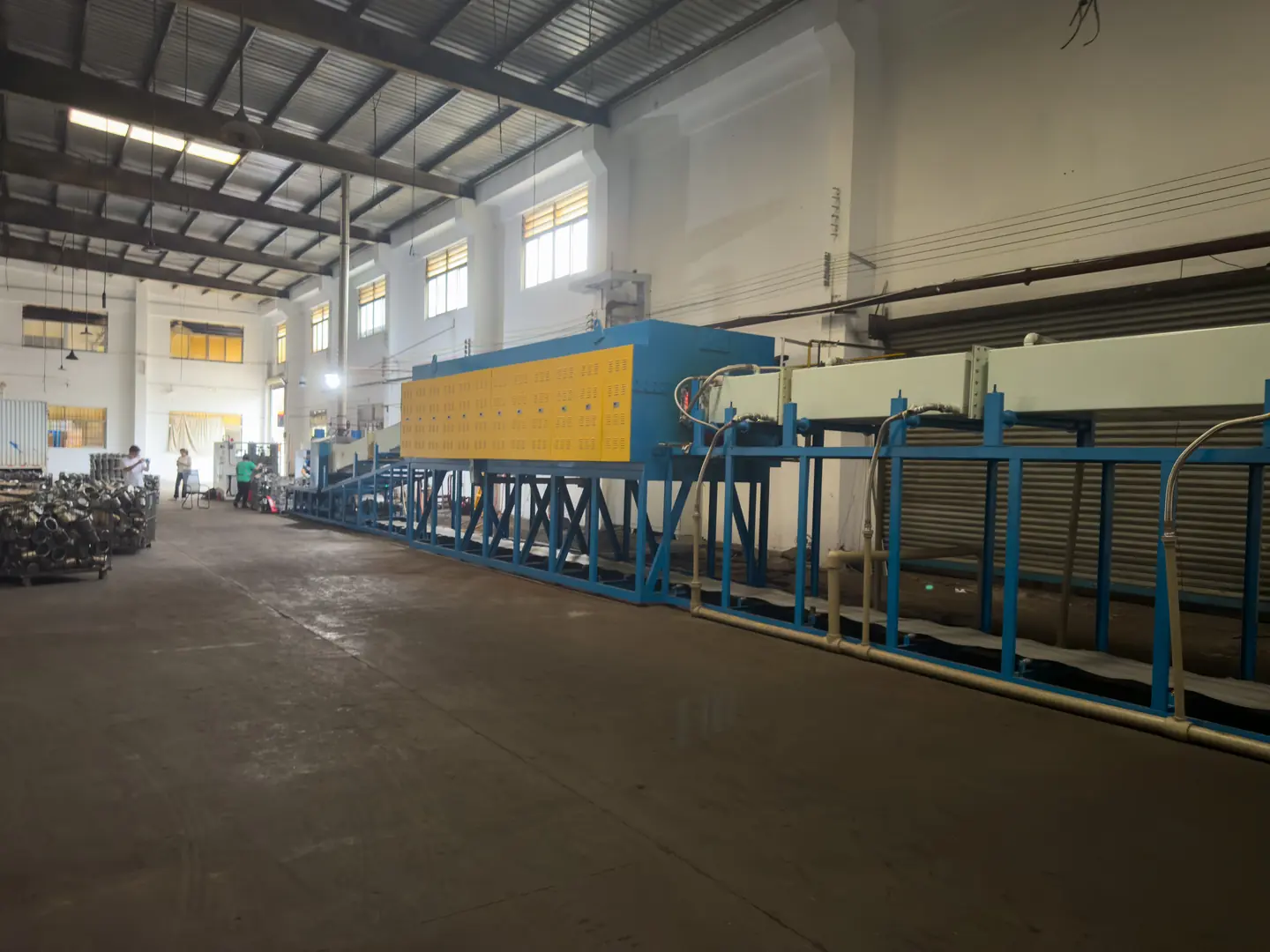
The furnaces we build today are fundamentally different from those made just a few years ago. The progress is driven by smart engineering and a focus on total operational performance. It's about creating a machine that not only does its job perfectly but also runs continuously and safely.
Intelligent and Reliable Systems
Our furnaces are built for 24/7 operation. We've achieved over 98% uptime thanks to robust design and high-quality components. This reliability is backed by an extended maintenance interval of 180 days or more, minimizing downtime. We also integrate advanced automation with anomaly alarms. The system monitors itself and alerts operators to potential issues before they become critical failures.
Innovation in Core Components
Three key innovations set our technology apart:
- Advanced Fuel/Air Ratio Control: This system continuously optimizes the combustion process, ensuring maximum heat from every unit of fuel.
- Precision Cooling System: Controlled cooling is just as important as heating. Our system ensures a gradual, precise cooling rate to achieve the desired final grain structure and properties.
- Dual-Layer Heat Recovery: We capture and reuse waste heat from the exhaust, preheating the incoming air. This simple but powerful concept is a major contributor to our industry-leading energy efficiency.
These aren't just features on a spec sheet; they are the engine behind higher productivity and lower operating costs.
Conclusion
In short, bright annealing is essential for producing high-quality metal products. By choosing technology that guarantees precise control, energy efficiency, and operational stability, you can overcome common production challenges. This transforms heat treatment from a cost center into a source of competitive advantage and profitability.

 English
  Русский