
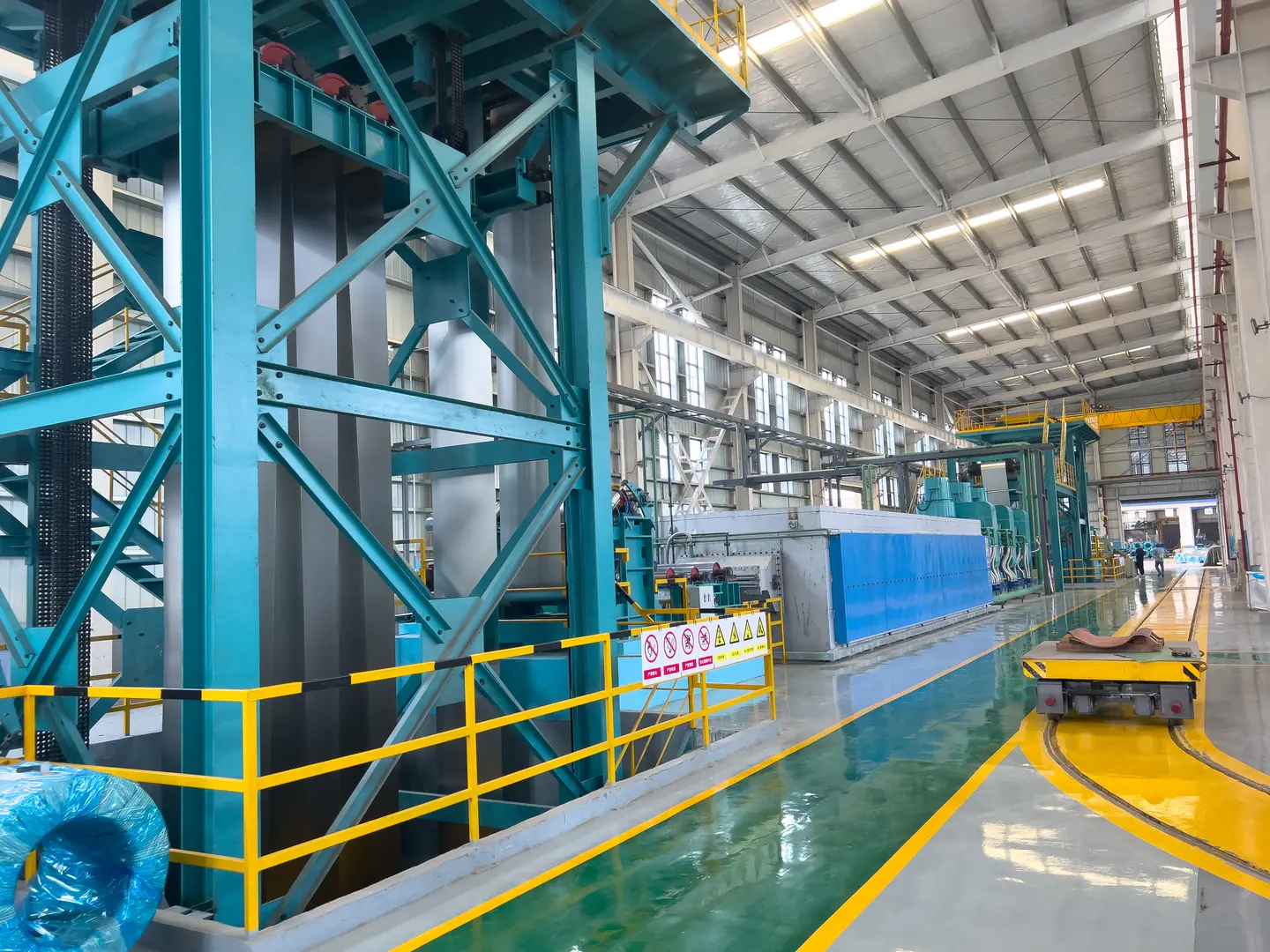
Unplanned downtime and quality issues plague your bright annealing[^1] line. These problems cost you money and customers. But what if you could solve the five most common issues and achieve near-perfect uptime?
Solving common bright annealing problems for 99% uptime requires addressing energy inefficiency, temperature instability, surface oxidation, and frequent downtime. The solution is advanced furnace technology with precise controls, superior energy management systems, and robust construction designed for continuous 24/7 operation and minimal maintenance.

As the General Manager of AKS, I've seen these issues on countless production floors. They are frustrating, but they are also solvable. In this article, I'll walk you through the five most common problems I see in the field and explain how you can overcome them to hit that critical 99% uptime target.
What are the typical problems in bright annealing processes?
Seeing inconsistent product quality? Are energy bills soaring? Your annealing process might be facing common, costly issues that you can't seem to pin down. Let's identify them together right now.
The most typical problems in bright annealing include poor surface quality like oxidation, inconsistent mechanical properties from unstable temperatures, high energy consumption, and frequent equipment downtime. These issues directly impact both production costs and output, preventing reliable operation.

When my team and I visit a new client, we almost always find the same core challenges. These aren't minor inconveniences; they are fundamental barriers to profitability and growth. Let's break them down.
High Energy Consumption
This is often the number one pain point. Older furnaces are simply inefficient. They waste gas and electricity, driving up your operational costs month after month. This isn't just about the bill; it's about the cost per ton of finished product, which directly impacts your competitiveness.
Poor Product Quality
This shows up in several ways. You might see surface oxidation on stainless steel coils, which ruins the "bright" finish. Or you might get inconsistent hardness across a batch of copper strips. These defects lead to rejected products, customer complaints, and wasted material. The root cause is almost always a lack of precise control over temperature and atmosphere inside the furnace.
Frequent Equipment Downtime
An annealing furnace that isn't running is a furnace that's losing you money. Frequent breakdowns, whether from component failure or the need for constant adjustments, destroy your production schedule. You can't run a 24/7 operation if your core equipment needs to be serviced every few weeks.
| Problem Area | Common Symptom | Business Impact |
|---|---|---|
| Energy | Gas/electricity bills are 20-40% higher than they should be. | Reduced profit margins. |
| Quality | Product qualification rates are below 99%. | Increased scrap, rework, and customer returns. |
| Reliability | Unplanned stops occur more than once a month. | Missed deadlines and lower annual output. |
Why do these problems occur in bright annealing?
Wondering about the root cause of your annealing headaches? It's often not operator error. Outdated technology and poor furnace design are the silent killers of your efficiency and product quality.
These problems typically occur due to outdated furnace technology. This includes inefficient heating systems, poor insulation, imprecise temperature and atmosphere controls, and components not designed for continuous 24/7 industrial use. This leads to energy waste, temperature fluctuations, and mechanical failures.
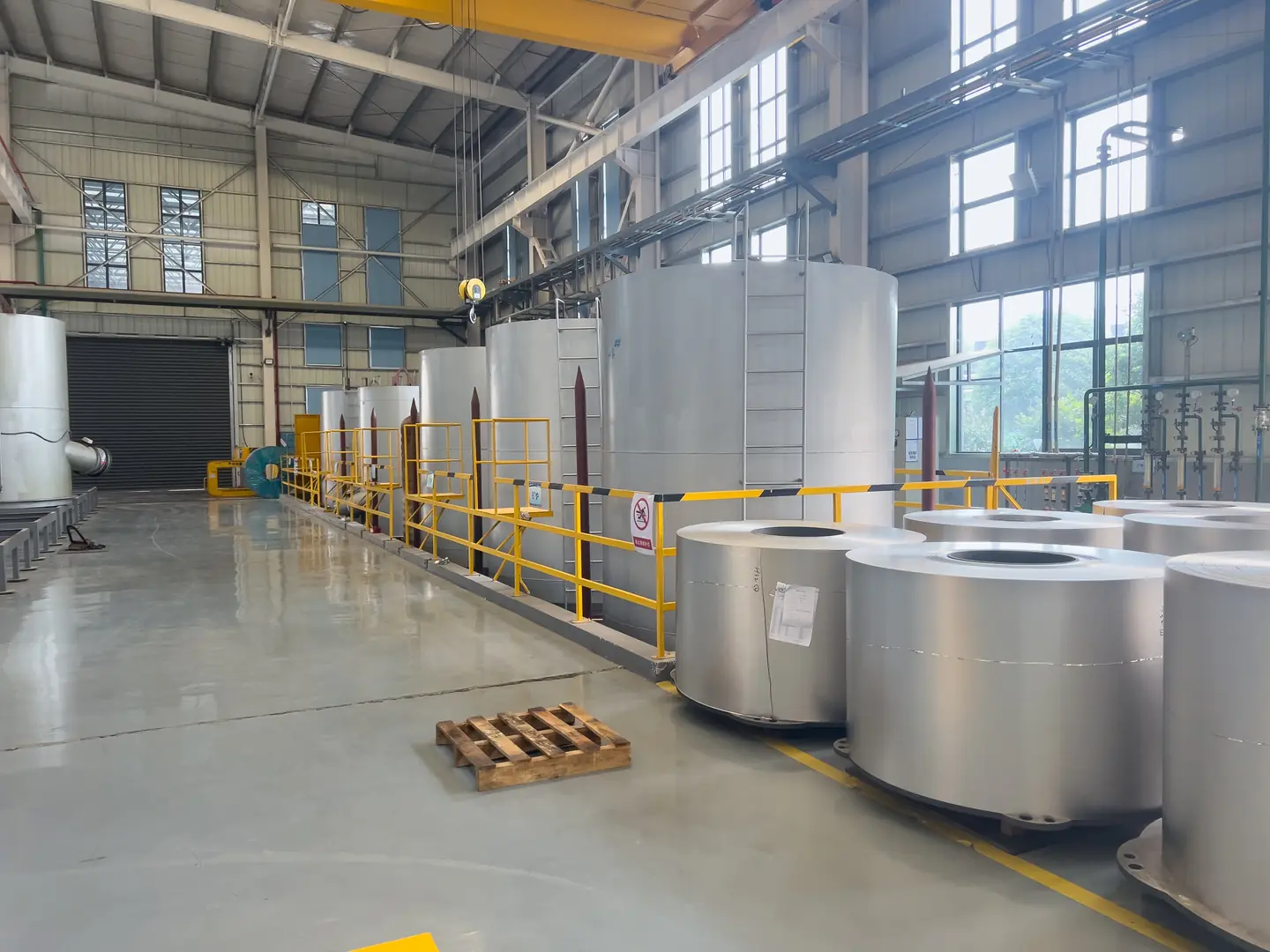
The difference between an older furnace and a modern one is night and day. It's not just about being newer; it's about fundamental design philosophy. Older equipment was often built without today's focus on energy efficiency and precision automation.
Outdated Control Systems
Many furnaces still rely on basic controls that can't maintain a stable environment. They struggle to hold temperature within a tight window. For example, they might fluctuate by ±10°C or more, while modern systems like ours hold it steady at ±3°C. This instability is a direct cause of inconsistent product quality. Likewise, poor atmosphere control allows oxygen levels[^2] to creep up, causing oxidation. We design our systems to keep oxygen under 10ppm.
Inefficient Heat Management
Older designs often lack effective heat recovery. They vent hot exhaust gas directly outside, wasting a huge amount of thermal energy. At AKS, we solved this with a dual-layer heat recovery system[^3] that captures and reuses that waste heat. This single innovation is a major reason our clients see gas consumption drop by 10-17% compared to competitors.
Poor Mechanical Design
Components wear out. But in poorly designed furnaces, they wear out much faster. The stresses of 24/7 industrial use expose weak points in the design, leading to frequent mechanical failures and the downtime that follows.
| Feature | Outdated Technology | Modern AKS Technology |
|---|---|---|
| Temperature Control | Imprecise, fluctuations of ±10°C or more. | Highly precise, stable at ±3°C. |
| Heat Recovery | Single-layer or non-existent. | Advanced dual-layer system. |
| Atmosphere Control | Basic, allows O2 levels to fluctuate. | Precision control, maintains <10ppm O2. |
How do these problems impact production uptime?
Is your production schedule constantly interrupted? Each unplanned stop costs more than just the repair time. It erodes your entire operational efficiency and puts your delivery promises at risk.
These problems directly destroy production uptime. Frequent equipment failures cause unplanned stops. Poor quality control leads to rework, wasting valuable production time. The cumulative effect is a significant drop from 24/7 potential, making a 99% uptime goal impossible to reach.
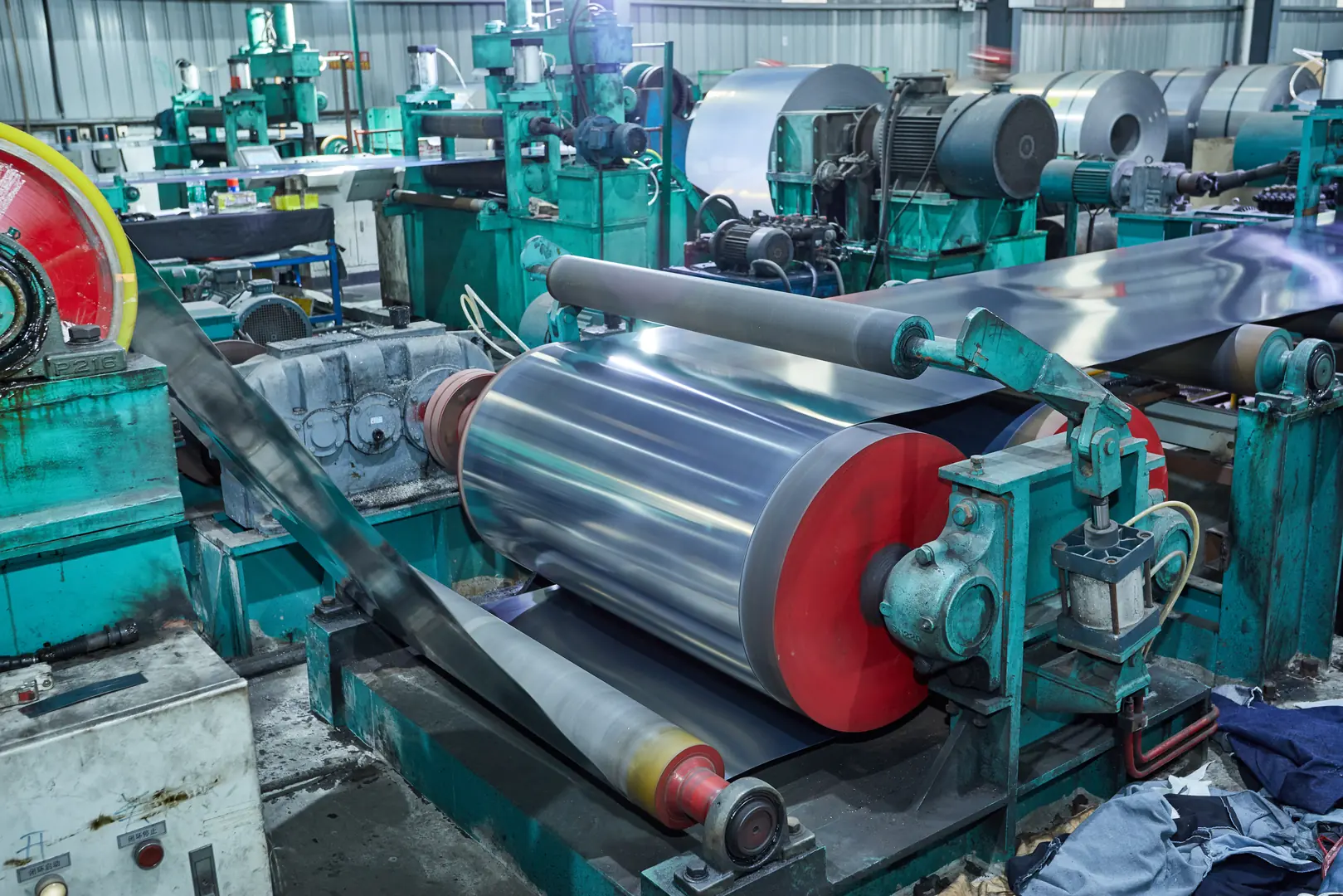
Uptime isn't just a number; it's the heartbeat of your plant. When it falters, everything is affected. Achieving a rate above 98%, which is our standard for AKS furnaces, requires eliminating the small, recurring issues that eat away at your schedule.
The True Cost of Downtime
When a furnace stops, you lose more than just the output for that hour. You have to account for the time it takes to diagnose the problem, get the parts, make the repair, and then ramp the furnace back up to a stable operating temperature. A one-hour failure can easily turn into a four-hour production loss. This ripple effect is devastating to your monthly capacity goals.
Quality Issues Create Hidden Downtime
Even if the furnace is running, producing bad coils is a form of downtime. You've spent energy, labor, and machine hours to create a product that has to be scrapped or re-annealed. This "ghost downtime" doesn't show up on a maintenance log, but it hits your bottom line just as hard. When you achieve a product qualification rate over 99%, you reclaim all those lost hours.
The Downward Spiral
Frequent problems create a reactive maintenance culture. Your team is always firefighting, never getting ahead. This stress leads to mistakes, and the cycle of failure continues. It's impossible to plan for growth or optimize your process when you're constantly just trying to keep the line running.
What solutions can address these bright annealing issues?
Tired of firefighting constant issues? There is a better way than patching old equipment. The right technology can eliminate these problems at their source, creating a stable and predictable process.
The most effective solution is investing in a modern bright annealing furnace. Look for features like advanced fuel/air ratio controls, dual-layer heat recovery systems, and precise atmosphere management. These technologies directly combat high energy costs, temperature instability, and product oxidation.
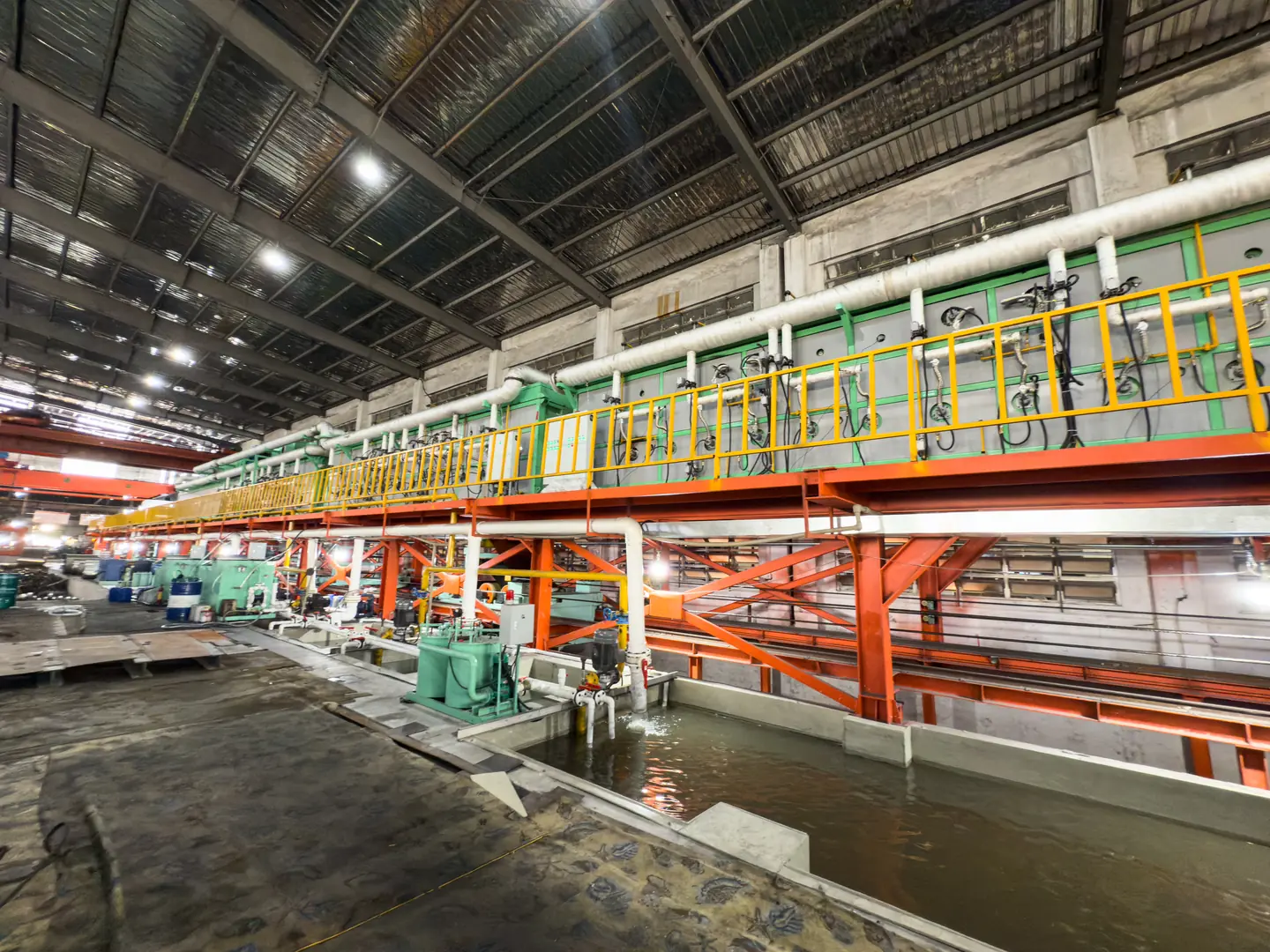
At AKS, we didn't just build a furnace. We engineered a solution to the specific problems our customers face every day. Our goal is to provide a machine that runs 24/7, produces perfect quality, and lowers your operating costs. It's that simple. [Insert anecdote about a client's success in reducing defects].
Solving the Energy Problem
Our advanced fuel/air ratio control, combined with the dual-layer heat recovery system I mentioned earlier, is how we deliver a 20-40% reduction in energy costs. The system ensures you use the absolute minimum amount of gas needed to maintain temperature, and it recycles energy that other furnaces simply waste.
Solving the Quality Problem
Precision is the key to quality. Our furnaces offer two critical layers of control. First, temperature is held stable at ±3°C, ensuring uniform mechanical properties. Second, the protective atmosphere is tightly managed to keep oxygen below 10ppm, which guarantees a bright, oxide-free surface on every coil. This is how our clients achieve product qualification rates over 99%.
Solving the Uptime Problem
We build our furnaces for industrial reality. They are designed for stable, continuous 24/7 operation with a failure rate under 2%. A key part of this is designing for minimal maintenance. Our furnaces can run for 180 days or more between scheduled maintenance intervals. This proactive approach is the foundation of achieving 99% uptime.
| Problem | The AKS Solution | Quantified Benefit |
|---|---|---|
| High Energy Costs | Dual-layer heat recovery & advanced fuel/air control. | 20-40% lower energy costs. |
| Poor Quality | Precise temperature (±3°C) & atmosphere (<10ppm O2) control. | >99% product qualification rate. |
| Frequent Downtime | Robust design for 24/7 operation. | >180-day maintenance interval; >98% uptime. |
What are the best practices for maintaining 99% uptime in bright annealing?
Is buying new equipment the whole story? Not quite. To lock in that 99% uptime, you need the right operational strategy. Let's look at the simple, effective habits that protect your investment.
Best practices for 99% uptime involve two key areas. First, select equipment designed for reliability from the start, with long maintenance intervals. Second, implement a proactive maintenance schedule and train operators on proper furnace management. This combination minimizes unplanned stops.
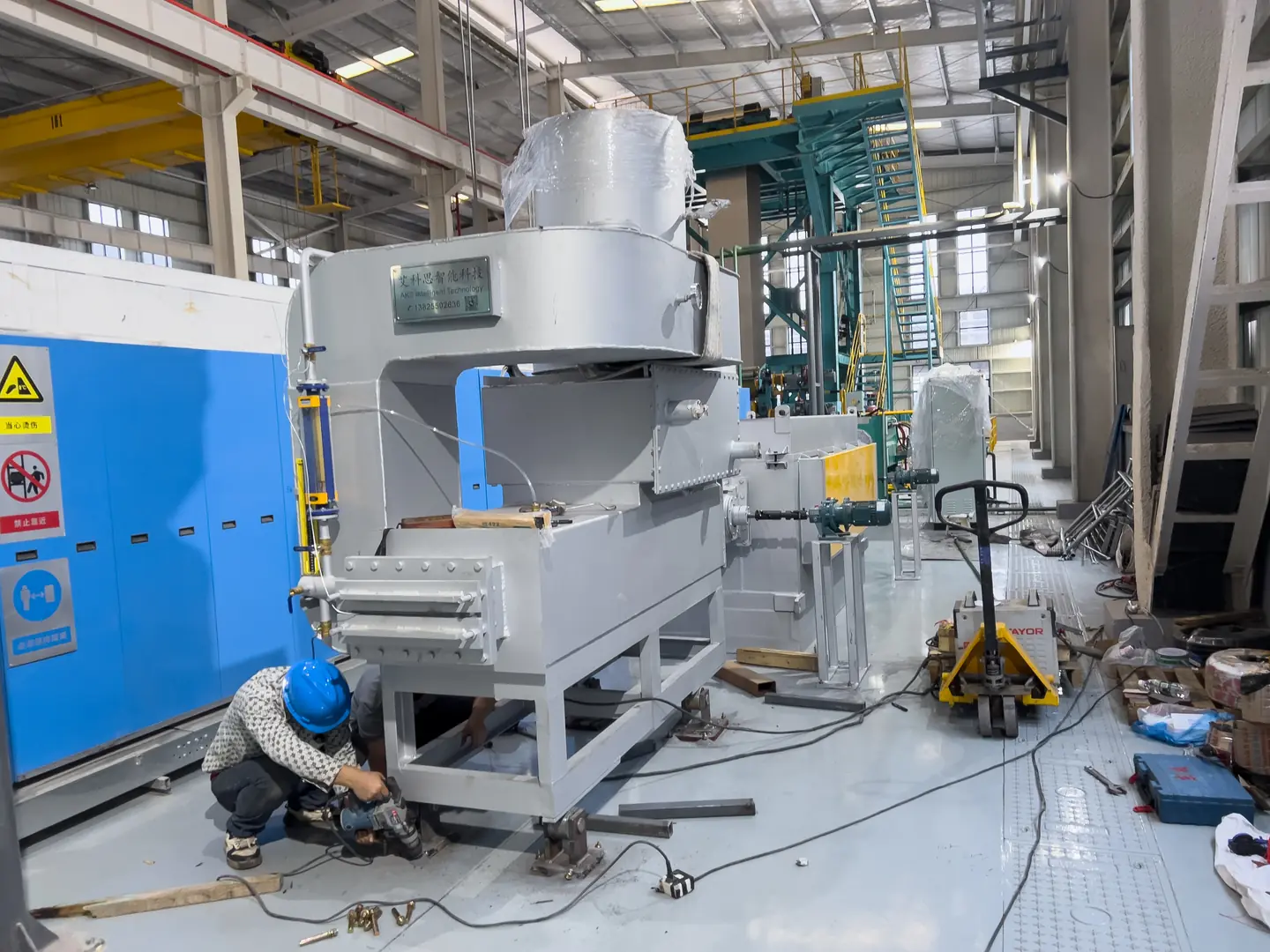
A great furnace is the foundation, but a great process is what guarantees long-term success. You can't achieve elite-level uptime without both. Here is the approach we recommend to all our partners.
Start with the Right Foundation
You cannot fix a fundamentally unreliable machine with a maintenance plan. The single most important best practice is to choose equipment that is designed for high uptime. Look for furnaces with a proven track record of stable 24/7 operation and maintenance intervals of 180 days or more. This design philosophy is built into every furnace we make at AKS. It makes everything that follows much easier.
Shift from Reactive to Proactive
Instead of waiting for something to break, schedule routine checks based on the manufacturer's recommendations. This proactive approach allows you to spot wear and tear before it becomes a catastrophic failure. You can schedule maintenance during planned shutdowns, rather than having failures dictate your schedule.
Empower Your Operators
Your operators are your first line of defense. Train them to understand the furnace's normal operating parameters—what the sounds, temperatures, and pressures should be. When they can spot a small deviation early, they can alert maintenance and prevent a small issue from becoming a major breakdown.
| Best Practice | Action Item | Why It Matters |
|---|---|---|
| Invest in Reliability | Choose furnaces designed for ≥180-day maintenance intervals. | Builds uptime into your operation from day one. |
| Proactive Maintenance | Follow a strict schedule for inspections and parts replacement. | Prevents unplanned failures and extends equipment life. |
| Operator Training | Teach your team to recognize early warning signs. | Catches small problems before they cause major downtime. |
Conclusion
Achieving 99% uptime is not about luck; it is about strategy. By targeting common issues like energy waste and instability with advanced technology like our AKS furnaces, you can transform your operation. You get higher quality, lower costs, and predictable, reliable production day after day.
 English
  Русский