
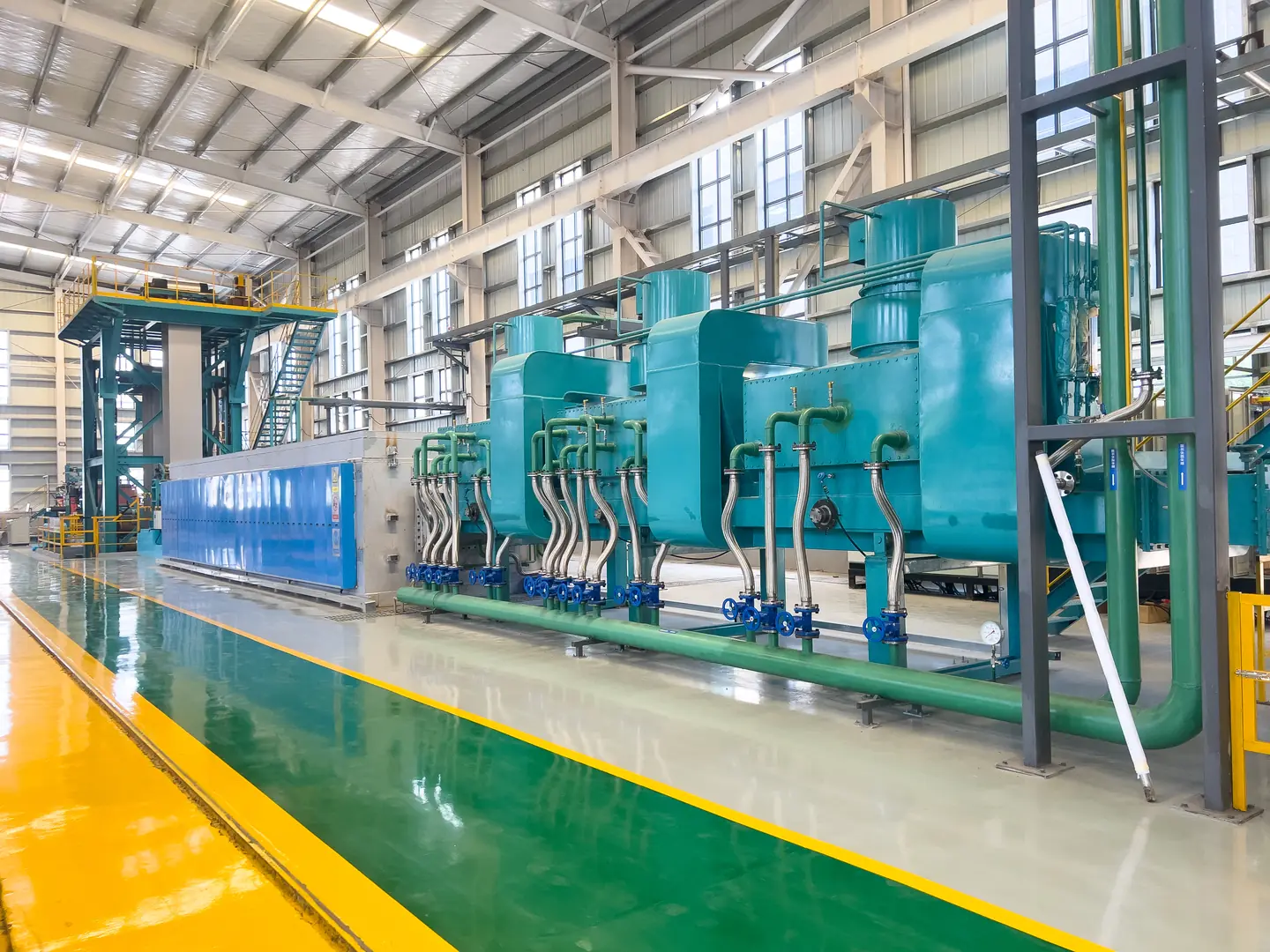
Struggling with inconsistent stainless steel finishes? High rejection rates and energy bills are eroding your profits. The right annealing process is the solution for superior quality and operational efficiency.
Bright annealed stainless steel is a highly reflective, corrosion-resistant metal produced by heat-treating it in a controlled atmosphere. This process is crucial for applications requiring a superior surface finish and enhanced material properties, directly impacting product value and performance in demanding industries.

As the General Manager of AKS, I've spent years helping clients navigate the complexities of heat treatment. The difference between a standard product and a premium one often comes down to the precision of the annealing process. In this guide, I'll break down the key specifications and performance metrics you need to master. We will explore not just the "what," but the "how"—equipping you with the knowledge to elevate your production and your bottom line.
What is Bright Annealed Stainless Steel and Why is it So Important?
Unsure why some stainless steel looks pristine while others don't? This difference affects your product's market value. Understanding bright annealing[^1] is key to commanding premium prices and customer trust.
Bright annealing is a heat treatment process that softens stainless steel without causing surface oxidation, resulting in a clean, mirror-like finish. It's important because it enhances corrosion resistance, improves formability, and creates a visually appealing product essential for high-end applications.

Let's dive deeper into this. The "bright" in bright annealing refers to the shiny, reflective surface that is preserved throughout the process. This is achieved by heating the metal in a furnace with a tightly controlled atmosphere, typically a mix of hydrogen and nitrogen, with oxygen levels kept incredibly low. At AKS, our furnaces maintain an atmosphere with less than 10ppm of oxygen. This prevents the formation of an oxide scale[^2] on the steel's surface, which would otherwise dull the finish and require costly, time-consuming post-processing like acid pickling. The importance of this goes beyond aesthetics. For our clients in the stainless steel coil and copper rolling industries, this process is fundamental. It restores the metal's ductility after cold rolling, making it easier to form into complex shapes. This combination of a premium finish and superior mechanical properties is what makes bright annealed steel the material of choice for everything from automotive trim to medical instruments.
What are the Current Industry Standards for Bright Annealed Stainless Steel Specifications?
Are your products meeting global standards? Failing to meet specifications leads to rejected shipments and lost contracts. Knowing the key metrics is the first step to ensuring compliance and market access.
Industry standards for bright annealed stainless steel focus on surface roughness (Ra), hardness (HV), and grain size. Key specifications often require a Ra value below 0.1 μm and precise hardness levels to ensure consistent mechanical properties for downstream processing and end-use applications.

In my experience, consistency is everything. Your customers expect every coil to perform exactly the same. Achieving this requires rigorous adherence to technical specifications. While standards vary by grade and application, there are common benchmarks my team at AKS helps clients meet every day. The precision temperature control of our furnaces, stable to within ±3℃, is critical for controlling grain size, which directly influences the steel's strength and formability. A stable, uniform temperature ensures that these properties are consistent across the entire length and width of a multi-ton coil. Here’s a look at some typical target specifications for common grades:
Target Specifications for Common Grades
| Metric | Stainless Steel 201 | Stainless Steel 304 | Importance |
|---|---|---|---|
| Hardness (HV) | 160 - 190 | 150 - 180 | Determines ductility and resistance to deformation. |
| Surface (Ra) | < 0.2 μm | < 0.1 μm | Defines the smoothness and reflectivity of the finish. |
| Grain Size | ASTM 7 - 9 | ASTM 6 - 8 | Impacts mechanical strength and formability. |
Meeting these targets consistently is the hallmark of a high-performance production line.
What Challenges Are Faced in Achieving Optimal Performance Metrics?
Constantly fighting oxidation and temperature fluctuations in your furnace? These problems lead to scrapped material and unpredictable output. Pinpointing these root causes is critical to gaining control over your production line.
The main challenges are maintaining a pure, oxygen-free atmosphere (<10ppm O2) to prevent oxidation, achieving uniform temperature distribution (±3°C) across the steel coil, and managing consistent cooling rates. Failure in any of these areas results in poor surface quality and high defect rates.

I speak with production managers every week, and their frustrations are often the same: instability and unpredictability. The number one enemy of a bright finish is oxygen. Even a tiny leak in the furnace muffle or a disruption in the protective gas flow can introduce oxygen, leading to oxidation and discoloring the steel surface. This immediately turns a high-value product into scrap. Another significant challenge is temperature uniformity[^3]. If one part of the steel coil is hotter or cooler than another, you get inconsistent grain growth. This results in variable mechanical properties, which is a major quality issue for end-users. Finally, the cooling phase is just as critical as the heating phase. Uncontrolled cooling can introduce internal stresses and affect the final hardness. These issues—high energy consumption from inefficient heating, production instability, and poor product quality—are the exact pain points we designed our AKS furnaces to solve. They lead to frequent downtime and, ultimately, lost revenue.
What Strategies Can Overcome Performance Challenges in Bright Annealed Stainless Steel?
Tired of reactive maintenance and production fire-drills? A proactive strategy can transform your operations. Implementing the right systems and controls is the path to stable, predictable, and high-quality output.
Key strategies include deploying furnaces with advanced atmosphere control systems that ensure oxygen levels remain below 10ppm and utilizing precision temperature management with multiple heating zones. A robust heat recovery system also stabilizes the process while reducing energy consumption, improving both quality and cost.

Overcoming these challenges isn't about working harder; it's about having smarter equipment. The solution lies in technology that provides precise control and stability. At AKS, our strategy is built on three pillars. First, we use advanced fuel/air ratio controls and a sealed muffle design to guarantee an ultra-pure atmosphere. This is how we consistently keep oxygen below 10ppm and achieve product qualification rates[^9] over 99%. Second, our furnaces feature multi-zone heating[^5] and a proprietary temperature control algorithm. This ensures that the temperature across the entire steel strip never varies by more than ±3℃, delivering perfectly uniform mechanical properties. Third, our dual-layer heat recovery[^6] system is a game-changer. It reclaims waste heat from the exhaust flue and the cooling section to preheat combustion air and the incoming steel strip. This not only reduces gas consumption by 10-17% but also creates a more stable thermal environment inside the furnace, leading to over 98% operational uptime.
What are My Technical Recommendations for Enhancing Performance Metrics?
Looking for actionable steps to improve your bright annealing results? Generic advice won't cut it. You need specific, data-backed recommendations to truly elevate your product quality and operational efficiency.
I recommend investing in a furnace with real-time atmosphere monitoring and automated temperature control to maintain specs like <10ppm O2 and ±3°C. Also, prioritize systems with high uptime (>98%) and long maintenance intervals (≥180 days) to ensure production continuity.
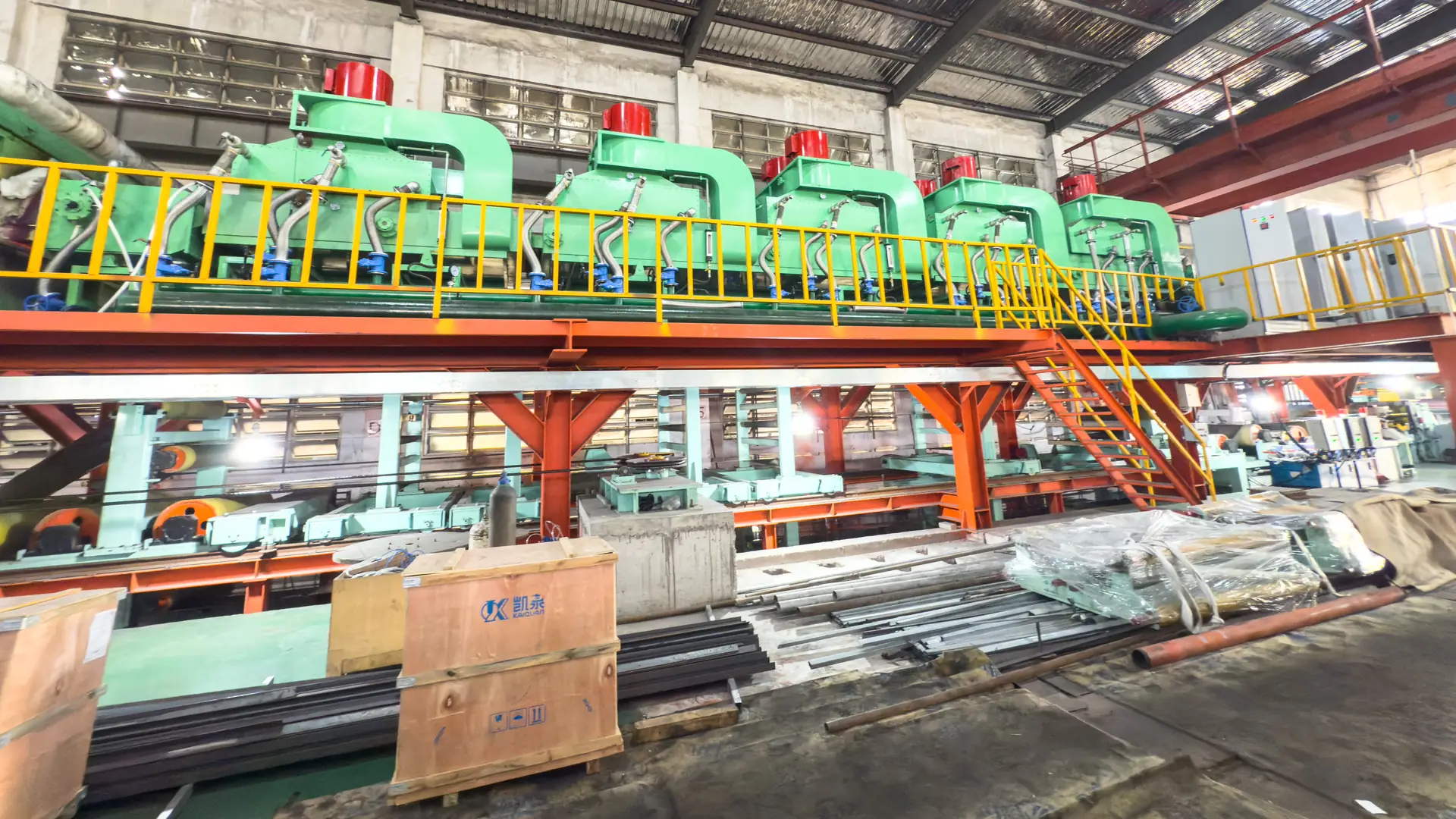
As a leader, your goal is to maximize ROI and strengthen your market position. The right furnace is not a cost; it's a strategic asset. My primary recommendation is to invest in technology that delivers quantifiable results. Don't settle for vague promises. Demand data. For example, our furnaces are engineered for long-term industrial use, with maintenance intervals of 180 days or more. This stability directly translates into higher annual production, often boosting it by over 10%. When you combine that with energy cost savings of 20-40%, the business case becomes very clear. I have seen this firsthand. [Insert anecdote about a client's success in reducing defects]. The technology links directly to business outcomes.
Linking Technology to Business Value
| AKS Furnace Feature | Technical Metric Achieved | Direct Business Benefit |
|---|---|---|
| Advanced Atmosphere Control | <10ppm O2 | Product qualification rates >99%; less scrap. |
| Precision Temperature Control | ±3℃ Uniformity | Consistent quality; higher customer satisfaction. |
| Dual-Layer Heat Recovery | 10-17% less gas consumption | 20-40% lower energy costs; improved ROI. |
| Robust Engineering Design | >98% Uptime; ≥180 day service | 10%+ boost in annual production; higher revenue. |
This is how technical specifications translate directly into a stronger, more profitable business.
Conclusion
Mastering bright annealing specifications is essential for producing high-quality stainless steel. Success depends on using advanced furnace technology that provides precise control over atmosphere and temperature. Investing in the right equipment directly lowers costs, boosts output, and secures your competitive advantage in the global market.

 English
  Русский