
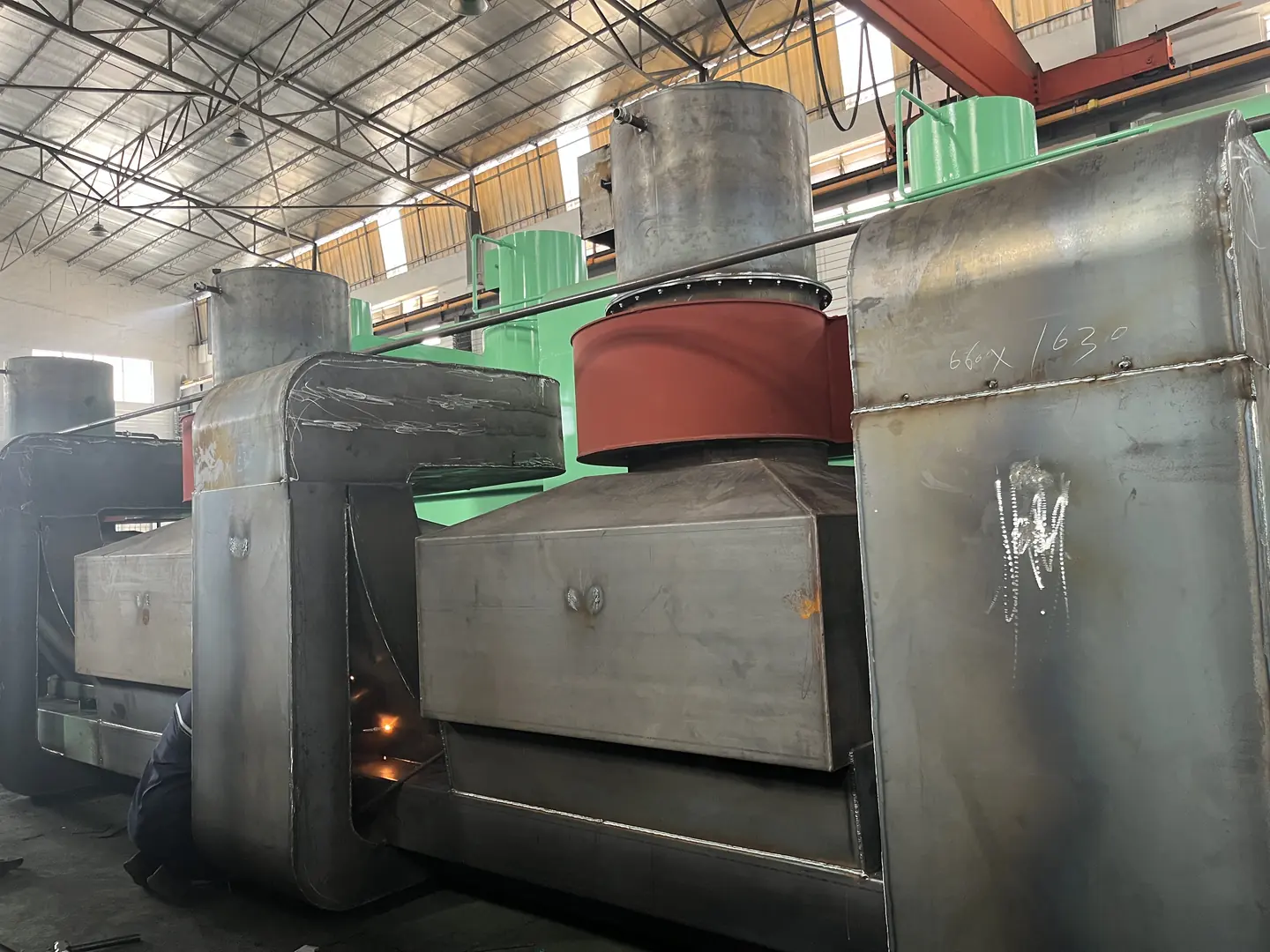
Are you fighting a losing battle against surface defects on your bright annealed steel? This struggle leads to high rejection rates, wasted resources, and unhappy customers.
The most significant atmosphere effects impacting bright annealed stainless steel are oxidation and discoloration caused by uncontrolled oxygen and moisture within the furnace. AKS solves this problem by using advanced furnace technology to maintain a protective atmosphere with oxygen levels consistently below 10ppm, guaranteeing a superior, bright finish.

As the General Manager of AKS, I've seen firsthand how the invisible environment inside a furnace can make or break a production run. It’s a challenge that frustrates many in the metal processing industry. But achieving a perfect finish is not a mystery; it’s a science. Let’s dive into what’s really happening and how you can take control.
What are the atmosphere effects impacting the quality of bright annealed stainless steel?
Are you seeing inconsistent color or a dull finish on your steel coils? These defects are often caused by invisible gases sabotaging your process from within the furnace.
The primary atmospheric effects that degrade bright annealed stainless steel quality are oxidation from excess oxygen, and decarburization from moisture. These reactions create a dull surface, reduce corrosion resistance, and alter the steel's mechanical properties, ultimately leading to product rejects and financial loss.

In my experience, the furnace atmosphere is the silent determinant of final product quality. While temperature is important, the composition of the gas surrounding the steel is what truly protects its value. The main enemy is always oxygen. Even a tiny amount at high temperatures can instantly tarnish the steel's surface. But other elements in the atmosphere, like nitrogen, hydrogen, and even trace amounts of water vapor, also play a critical role. If their balance is off, you can face issues beyond just a dull finish.
The Oxidation Problem
Oxidation is the most common and damaging effect. When stainless steel is heated, the chromium in the alloy becomes highly reactive. If free oxygen is present, it will immediately bond with the chromium, forming a thin, dull layer of chromium oxide[^1]. This is the exact opposite of the "bright" finish you're trying to achieve. Our entire furnace design at AKS is focused on eliminating this variable.
The Role of Protective Gases
To prevent oxidation, we use a protective atmosphere, typically a mix of nitrogen and hydrogen.
- Nitrogen (N2): Acts as an inert carrier gas, purging oxygen from the furnace.
- Hydrogen (H2): Is a powerful reducing agent[^2]. It actively seeks out and reacts with any stray oxygen molecules, turning them into water vapor that is then flushed out.
Getting this mix right is crucial for achieving that mirror-like finish and ensuring product qualification rates stay above 99%.
Why do atmospheric conditions pose a problem for stainless steel annealing?
Is your annealing process delivering unpredictable results? This instability is a direct result of the steel's own chemistry working against you at high temperatures.
Atmospheric conditions are a problem because the high temperatures required for annealing make stainless steel extremely reactive. Any uncontrolled oxygen or moisture in the furnace will instantly react with the chromium on the steel's surface, forming an oxide layer and preventing the desired bright, reflective finish.
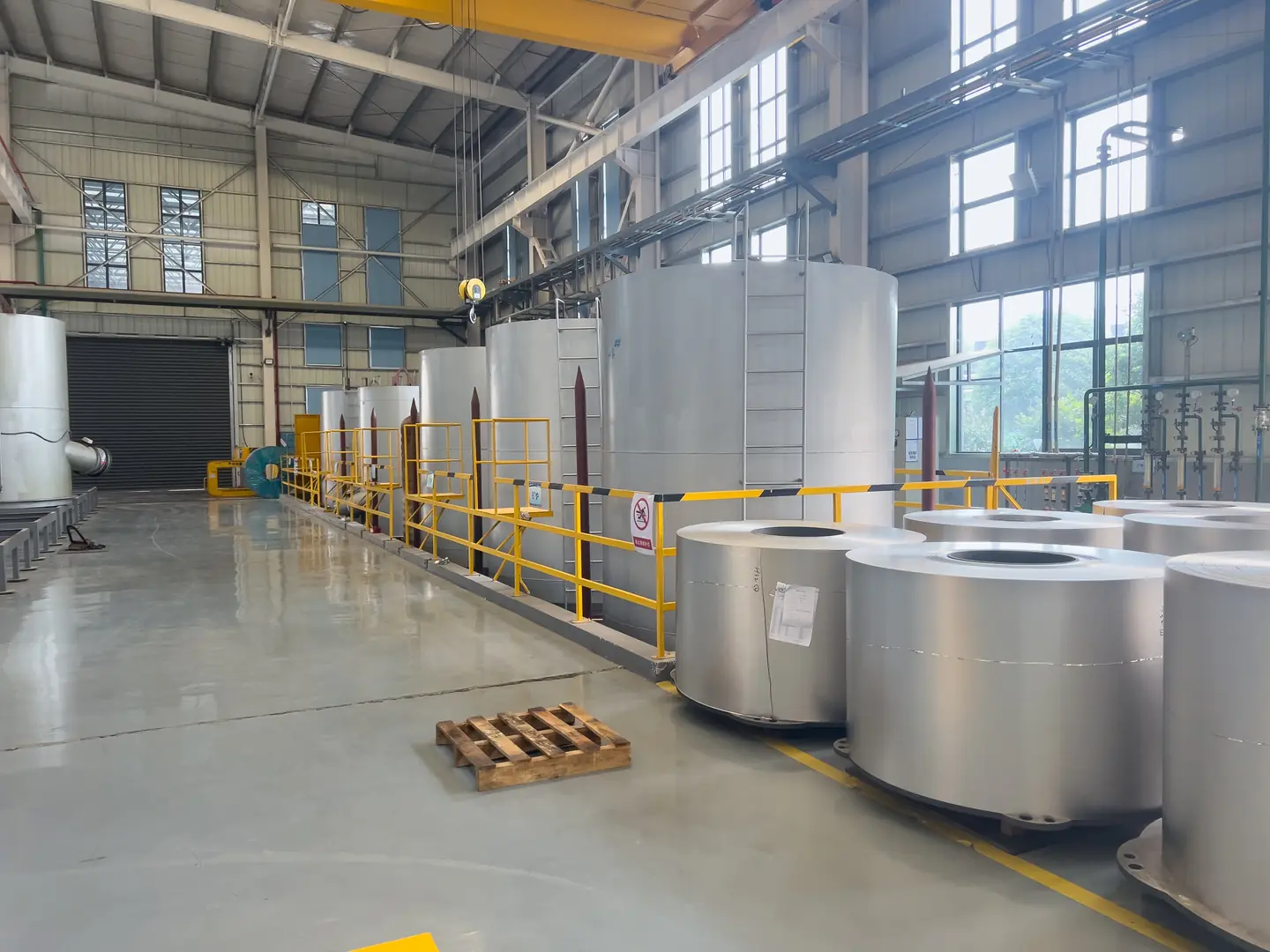
Think of it this way: the very properties that make stainless steel "stainless" at room temperature are what make it vulnerable during heat treatment. The protective chromium layer is what we value, but to anneal the steel, we have to heat it to a point where that chromium is desperate to bond with oxygen. If your furnace atmosphere isn't perfectly controlled, you are essentially creating the ideal conditions for oxidation, not for bright annealing. This is a fundamental challenge of the process.
High-Temperature Reactivity Explained
At annealing temperatures, typically above 1000°C, the metal's atomic structure is energized and mobile. This high-energy state dramatically increases the rate of chemical reactions. The chromium atoms, which are normally stable, become aggressive seekers of oxygen. This isn't a minor side effect; it's a primary chemical driver at these temperatures. Any failure in atmosphere integrity—a small leak, impure gas, or insufficient purging—will result in immediate and irreversible surface damage.
Why Standard Furnaces Often Fail
Many standard furnaces struggle to maintain the required atmospheric purity. They may lack the seals, sensors, or gas control systems needed to keep oxygen levels low enough. This leads to the production instability and poor product quality that we hear about from so many manufacturers. It’s why we engineered our AKS furnaces for over 98% uptime and stable 24/7 operation, proving that our atmosphere control is not just precise, but consistently reliable.
How do these atmospheric conditions affect the properties of stainless steel?
You can see the discoloration, but what other damage is being done? These atmospheric effects compromise the core properties that make your stainless steel valuable and reliable.
Poor atmospheric conditions ruin the surface finish, causing dullness and discoloration. More critically, they deplete the surface of chromium, severely reducing corrosion resistance. They can also alter mechanical properties like hardness and ductility, making the final product inconsistent and unreliable for its intended application.
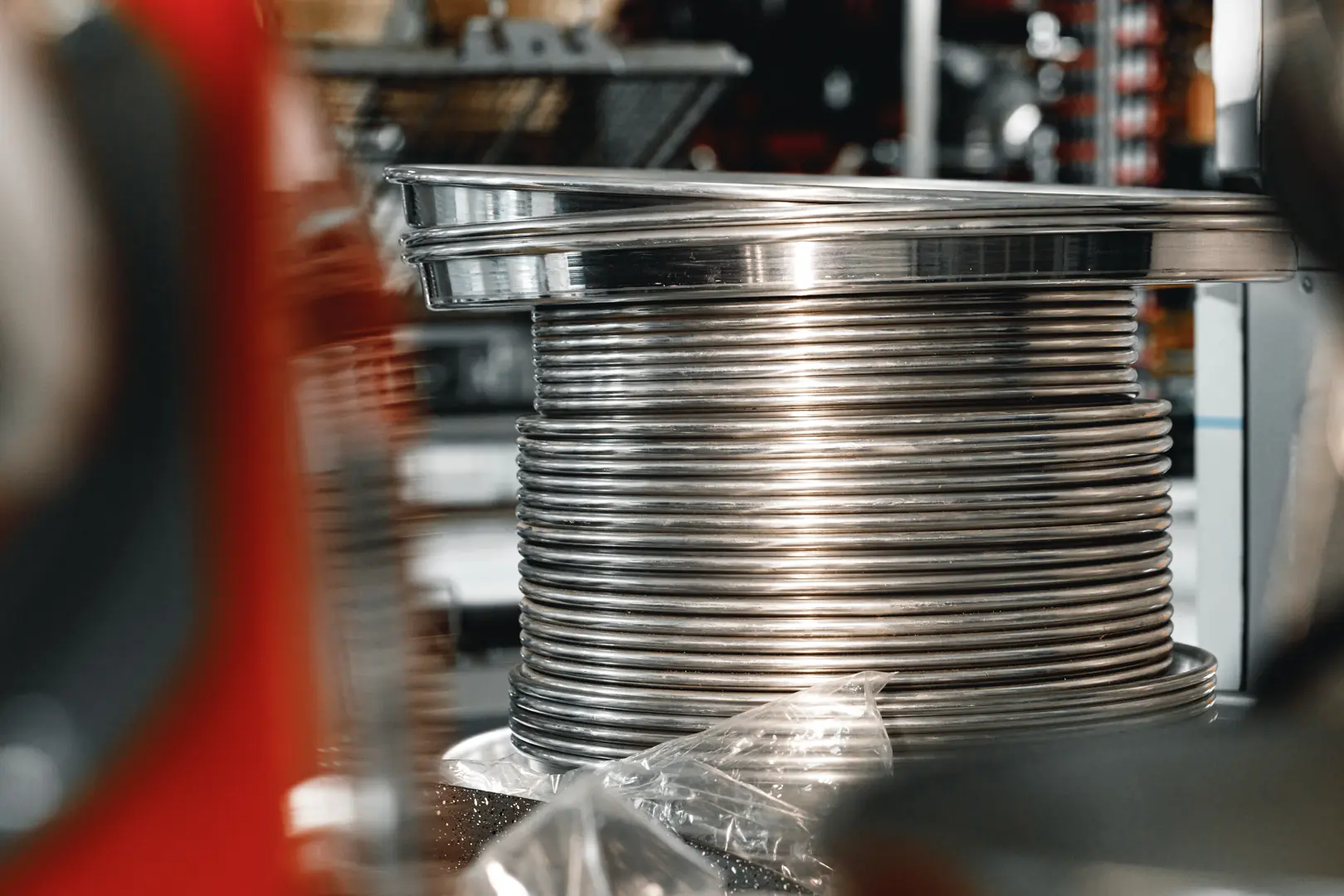
The damage from a poor furnace atmosphere goes far beyond aesthetics. It strikes at the heart of the material's performance. A customer buying bright annealed stainless steel expects two things: a flawless surface and excellent corrosion resistance. A faulty annealing process compromises both. At AKS, we see achieving superior quality not just as a matter of hitting a target temperature, but as a holistic approach to total atmosphere management. This focus ensures the steel's properties remain intact.
Impact on Surface and Mechanical Properties
The most obvious effect is on the surface. But this change in appearance is a sign of a deeper chemical change. The loss of chromium at the surface to oxidation means the steel is no longer truly "stainless" in that area.
Comparing Ideal vs. Poor Outcomes
Here’s a simple breakdown of the impact:
| Property | Result with AKS Atmosphere Control (<10ppm O2) | Result with Poor Atmosphere Control |
|---|---|---|
| Surface Finish | Bright, reflective, uniform | Dull, discolored, oxidized |
| Corrosion Resistance | High, as specified for the alloy | Significantly reduced |
| Product Uniformity | Consistent across the entire coil | Variable, with streaks or patches |
| Qualification Rate | > 99% | Lower, leading to scrap and rework |
This table clearly shows that atmosphere control is not a "nice-to-have." It is fundamental to producing a valuable and reliable product.
What solutions does AKS offer to mitigate these atmospheric effects?
Struggling to achieve consistent atmosphere control with your current equipment? Standard furnaces often can't deliver the precision needed for high-quality bright annealing.
AKS Bright Annealing Furnaces provide a complete solution with a sealed muffle design and advanced gas control systems. Our core innovation is the ability to maintain a protective atmosphere with oxygen content below 10ppm, which eliminates oxidation and ensures a perfect, bright finish every time.
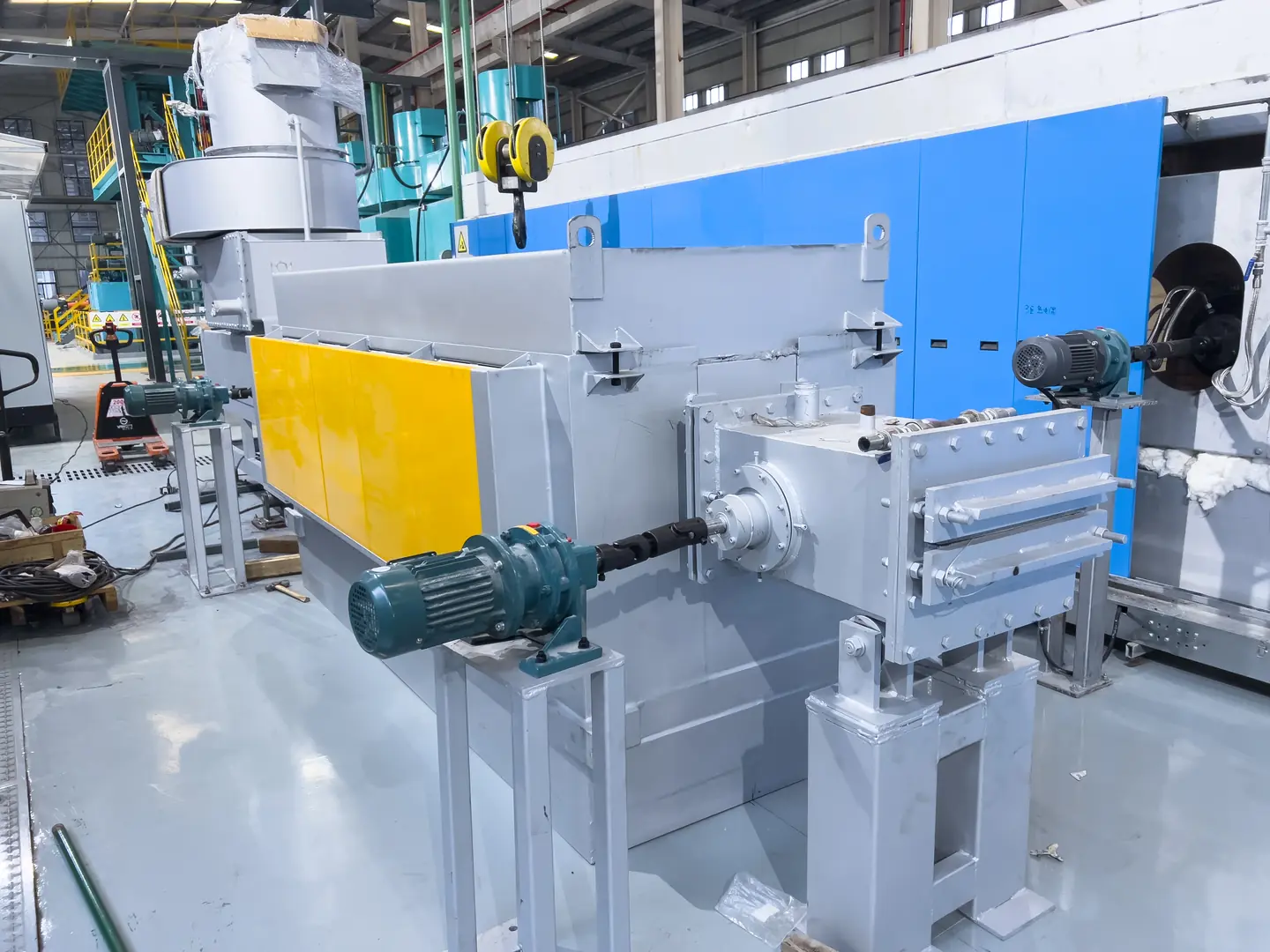
When we founded AKS in 2021, we focused on solving the most critical pain points for our clients: high operating costs, production instability, and poor product quality. We knew that mastering atmosphere control was the key. Our technology isn't just a single feature; it's an integrated system designed for one purpose: to create the perfect environment for bright annealing. This is how we help our clients boost their annual production by over 10% and achieve qualification rates above 99%.
Precision Atmosphere Control (<10ppm O2)
This is our cornerstone. By using high-integrity seals, precision gas mixing, and real-time oxygen sensors, our furnaces create and maintain an environment that is virtually free of destructive oxygen. This isn't a peak reading; it's a stable, operational parameter that ensures every inch of the coil is protected.
Advanced Gas Management
Our system precisely controls the mix of nitrogen and hydrogen to optimize the protective and reducing effects. This, combined with our advanced fuel/air ratio control[^3] for heating, means we also use 10-17% less gas than competing systems, directly lowering your operating costs. [Insert anecdote about a client's success in reducing defects] This client saw their rejection rate drop to almost zero after installing our furnace.
Engineered for Stability
A perfect atmosphere is useless if it isn't consistent. Our furnaces are built for industrial reality, designed for stable 24/7 operation with over 98% uptime. This reliability means you can trust the process run after run, delivering consistent quality and maximizing your plant's output.
What best practices should be followed to ensure optimal stainless steel annealing?
You have the right furnace, but are you still seeing variations? Small operational habits can make a big difference in achieving consistent, perfect results every single run.
To ensure optimal annealing, always start with clean, oil-free steel. Maintain a steady flow of high-purity protective gas and regularly calibrate your atmosphere sensors. Following a strict maintenance schedule, like the ≥180 day interval for our AKS furnaces, is also crucial for long-term consistency.
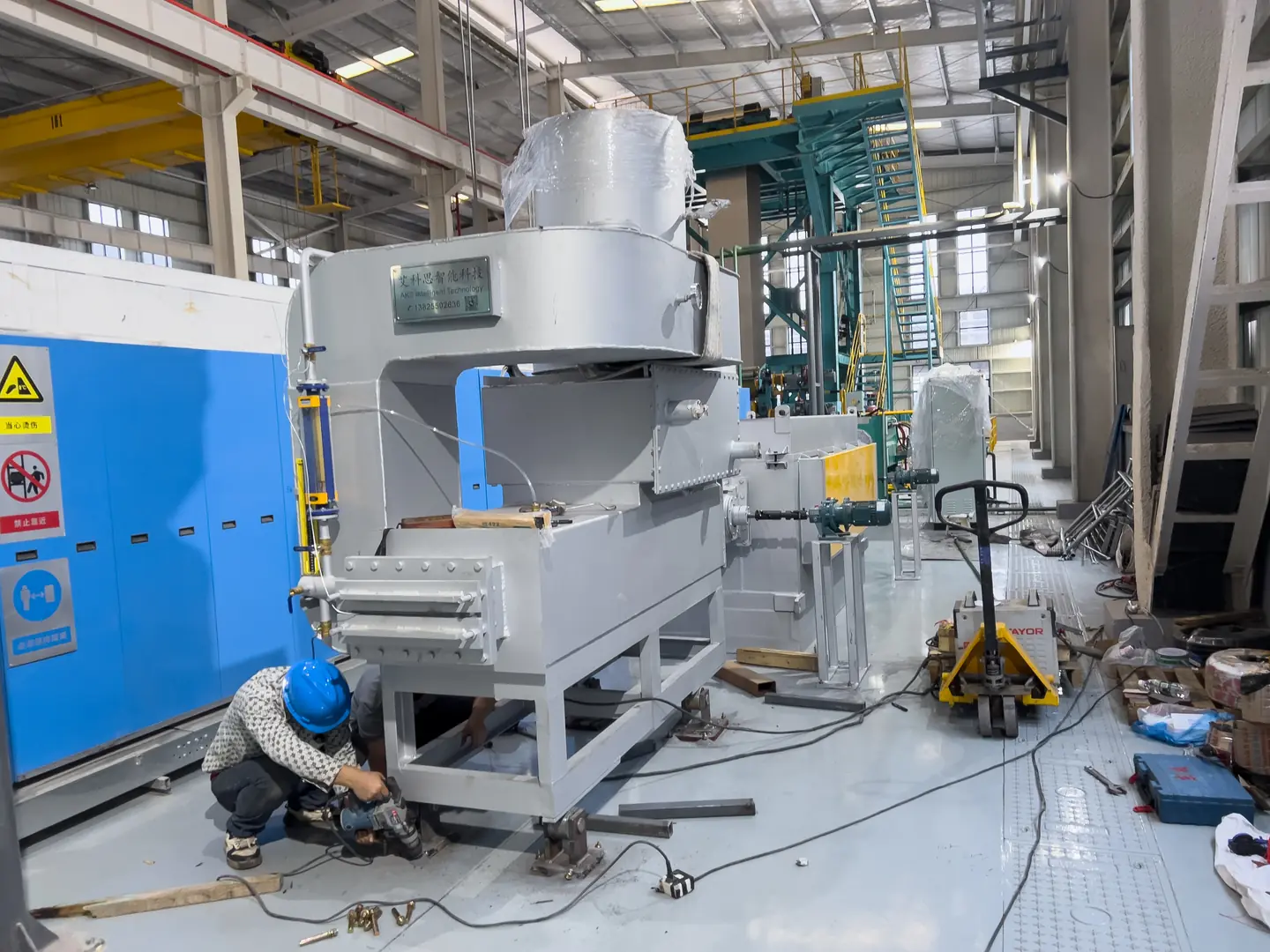
Owning a high-performance furnace is the most important step, but operational discipline is what guarantees success day in and day out. My team and I always work with our clients to establish these best practices because we know our equipment performs best when it is operated correctly. These steps are simple, but they are essential for protecting the integrity of the annealing process and maximizing your return on investment.
Pre-Process Preparation
What happens before the steel enters the furnace is just as important as what happens inside.
- Material Cleaning: Any residual oils or contaminants on the steel surface will vaporize in the furnace. This can introduce carbon and other elements into the atmosphere, leading to defects. A thorough pre-cleaning process is a non-negotiable first step.
- Gas Purity: Ensure the nitrogen and hydrogen you are using are of high purity. Contaminants in your gas supply are a direct injection of problems into your furnace.
In-Process Monitoring and Maintenance
Once the process is running, consistency is key.
- Atmosphere Checks: Regularly monitor your oxygen sensors and gas flow rates. An unexpected change is an early warning sign of a potential problem, like a leak.
- Scheduled Maintenance: Industrial equipment requires care. Our furnaces are designed for long maintenance intervals of 180 days or more, but sticking to that schedule is vital. It ensures seals remain tight, sensors stay accurate, and the system continues to operate at peak efficiency.
Conclusion
In short, the atmosphere inside your furnace is the single most critical factor for quality in bright annealing. Uncontrolled oxygen leads to oxidation, defects, and reduced corrosion resistance. Our AKS furnaces solve this by delivering precise atmosphere control with under 10ppm oxygen, guaranteeing superior quality and over 99% acceptance rates.
 English
  Русский