

Your steel components are failing under load, causing costly production halts and damaging your reputation. The right heat treatment is the answer, transforming standard steel into a high-performance material.
Heat treatments like quenching, tempering, and particularly bright annealing are used to increase steel's yield strength. These processes modify the steel's internal microstructure, creating a stronger atomic arrangement that resists permanent deformation under stress, which is essential for reliable, high-performance industrial applications.

But simply knowing which treatments work isn't enough. As a leader in your industry, you need to understand the "why" and "how" to make the best strategic investment for your production line. Let's break down what yield strength really means for your business and how you can control it.
What is the role of yield strength in steel applications?
Using steel without truly understanding its limits is a risky gamble. This can lead to unexpected and catastrophic structural failures in the field. Yield strength is your safety net; it defines the precise point where steel bends and stays bent.
Yield strength is a critical measure of the maximum stress a steel component can endure before it begins to deform permanently. In applications from automotive frames to structural beams, it dictates the material's reliability and safety, ensuring parts maintain their intended shape under operational loads.

When I talk with production engineers, the conversation always comes back to performance under pressure. Yield strength is the number one indicator of that performance. Think of it as the boundary between elastic and plastic behavior. Below the yield strength, you can bend a steel part, and it will spring back to its original shape. This is elastic deformation. But if you apply a force that exceeds its yield strength, the part will deform permanently. That's plastic deformation, and in most structural applications, it's the beginning of failure.
Why This Matters for Your Bottom Line
For procurement managers and C-suite leaders, understanding this concept is directly tied to profitability. A higher yield strength allows your engineers to design parts that are either stronger or lighter.
| Application | Typical Yield Strength Requirement (MPa) | Business Impact of Higher Strength |
|---|---|---|
| Structural Steel Beams | 250 - 350 | Safer buildings, ability to support greater loads. |
| Automotive Body Panels | 300 - 500 | Improved crash safety, potential for lighter vehicles (fuel economy). |
| High-Pressure Piping | 400 - 600+ | Prevents ruptures, ensures operational safety in plants. |
A higher yield strength gives you a competitive advantage. You can deliver a more robust product or achieve the same performance with less material, directly cutting raw material costs.
What are the common factors affecting steel's yield strength?
You're seeing inconsistent performance from batch to batch, and it's frustrating. This variability can destroy production yields and lead to high scrap rates. The solution is to control the fundamental factors that determine steel's final strength.
Steel's yield strength is primarily determined by its chemical composition, such as carbon content, its internal grain size, and its manufacturing history, including cold working and heat treatment. Precise control over these factors is essential for achieving consistent and predictable mechanical properties in the final product.
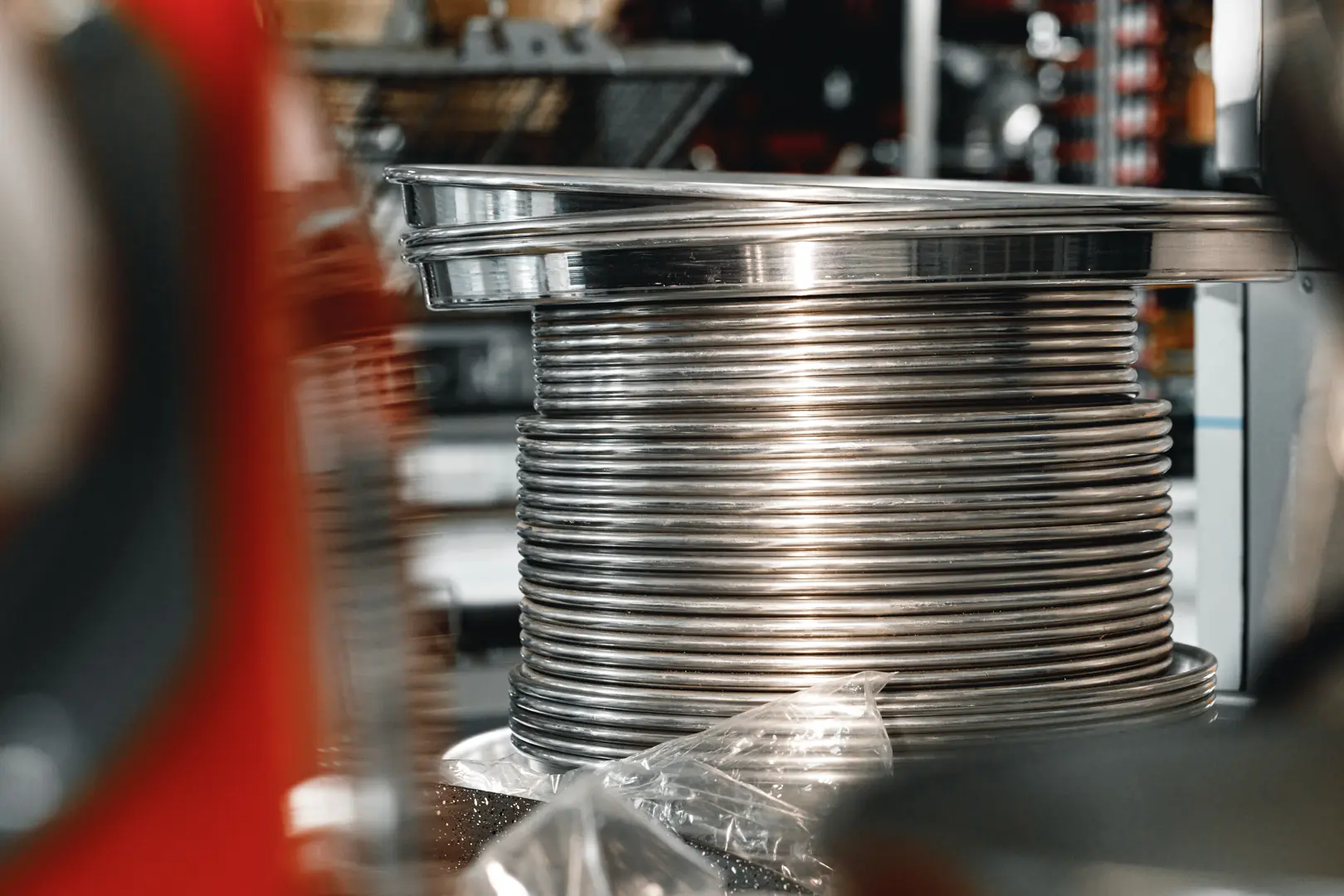
Over the years, my team and I have seen how small variations can lead to big problems down the line. It's rarely one single thing, but a combination of factors that define the steel's character. Understanding these levers is the first step toward mastering your material.
Chemical Composition
The recipe of the steel is the foundation. Carbon is the most important strengthening element. More carbon generally means higher potential strength, but it can also increase brittleness. Other alloying elements like manganese, chromium, and nickel are added to fine-tune properties for specific applications, like corrosion resistance or performance at high temperatures.
Grain Structure
At a microscopic level, steel is made of crystals, or "grains." As a rule, smaller and more uniform grains lead to higher yield strength. The boundaries between these grains act as barriers that stop internal dislocations from moving, which is what makes the material stronger.
Manufacturing Processes
How the steel is physically worked has a huge impact. Cold working, like rolling or drawing steel at room temperature, physically hardens the material and increases its yield strength. However, the most powerful and precise tool you have for manipulating yield strength is, without a doubt, heat treatment. It allows you to fundamentally rewrite the steel's internal structure after it has been formed.
How does heat treatment enhance the yield strength of steel?
Your standard-grade steel isn't meeting the strength requirements for a new, demanding application. Switching to a higher-grade alloy is expensive and could disrupt your supply chain. Heat treatment is the key to unlocking the untapped potential in the steel you already use.
Heat treatment enhances yield strength by using controlled heating and cooling cycles to purposefully change the steel's internal crystal structure, known as its microstructure. This process creates stronger, finer-grained structures that significantly increase the material's resistance to permanent deformation and failure under load.

This is where my work at AKS gets really exciting. We're not just selling furnaces; we're providing our clients with the ability to engineer materials at a microscopic level. The process is all about control.
Microstructural Transformation
By heating steel above a specific critical temperature, we can dissolve the existing carbon structures into a new phase called austenite. The magic happens during cooling. By controlling the cooling rate, we can dictate what this austenite transforms into. A rapid cool (quenching) can form martensite, a very hard and strong structure. Slower cooling rates produce other structures with different properties.
The Critical Role of Precision
However, the effectiveness of any heat treatment hinges entirely on precision. This is a non-negotiable point. Inconsistent temperatures or a contaminated furnace atmosphere can ruin the entire process, leading to weak spots, oxidation, and scrapped parts. This is why we engineered our AKS Bright Annealing Furnaces with extreme precision in mind. We guarantee temperature stability within ±3℃ and maintain a controlled atmosphere[^1] with oxygen levels below 10ppm. This level of control is what allows our clients to achieve predictable, repeatable results and a superior, oxide-free surface finish every single time.
What are specific heat treatment techniques used to increase yield strength?
You know heat treatment is the solution, but which specific process is right for your product? Choosing the wrong one can make the steel too brittle, fail to meet specifications, or even damage the part. Understanding the main techniques is crucial for success.
Key techniques to increase steel's yield strength include hardening followed by tempering, which creates a tough and strong structure, and various annealing processes. Bright annealing, in particular, is an advanced method that enhances strength while providing a clean, oxide-free surface finish essential for high-quality products.

My team helps clients navigate these choices every day. The right technique depends on the steel type, the part's geometry, and the final application. Let's look at the most common methods.
A Comparison of Common Methods
| Technique | Process Description | Primary Outcome on Yield Strength | Best For |
|---|---|---|---|
| Hardening & Tempering | Rapidly cool (quench) then reheat to a lower temperature. | Very high increase | Tools, gears, and components needing high wear resistance. |
| Normalizing | Heat then air-cool to refine grain structure. | Moderate increase | Forgings and castings to create a uniform internal structure. |
| Bright Annealing | Heat and cool in a controlled, oxygen-free atmosphere. | Significant increase & refinement | Stainless steel, copper, and brass needing high strength and a perfect surface. |
Why Bright Annealing is a Game-Changer
While hardening is effective for pure strength, it often leaves a scaled, oxidized surface that requires secondary cleaning operations. This is where bright annealing stands out as the superior solution for high-value products. By performing the heat treatment in a controlled atmosphere, like the one inside our AKS furnaces (<10ppm O2), we prevent any oxidation from forming. This means the part comes out of the furnace strong, uniform, and with a bright, clean surface. For our clients in stainless steel processing, this is a massive advantage. It eliminates post-processing steps and results in product qualification rates of over 99%.
What are the best practices for implementing heat treatment to optimize yield strength?
You've invested in a heat treatment process, but your results are inconsistent. This variability is costing you dearly in rework, scrapped material, and missed deadlines. Adopting best practices is the only way to ensure you get the strength you need, every single time.
Best practices include maintaining precise temperature control, strictly managing heating and cooling rates, and ensuring a pure, controlled furnace atmosphere. Investing in modern, automated equipment is the most effective way to guarantee repeatable, high-quality results and truly optimize the yield strength of your steel.
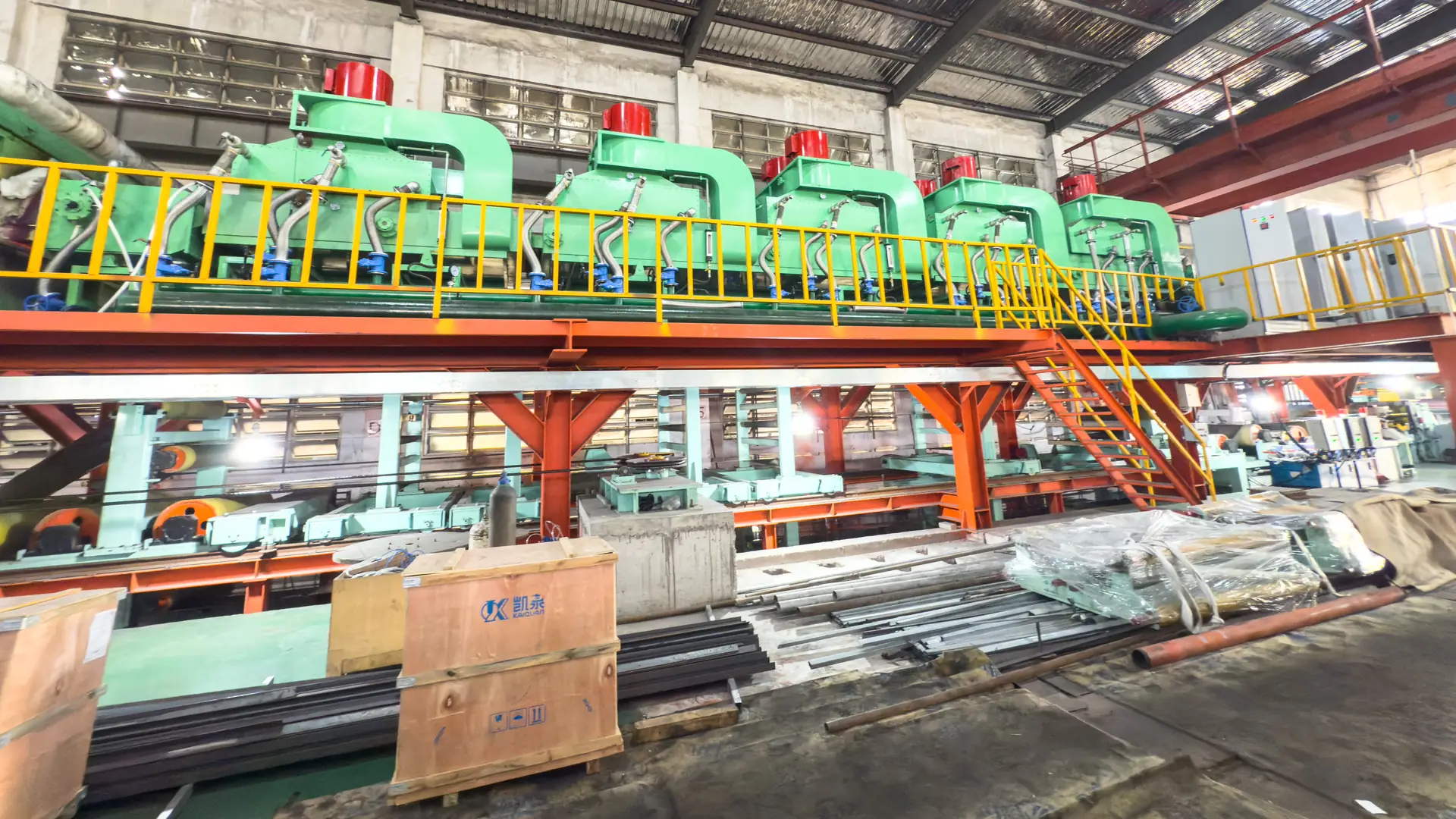
From my perspective as General Manager at AKS, "best practice" means moving from a reactive to a proactive approach. It's about designing a system that eliminates variables and guarantees success.
Invest in Precision Equipment
You simply cannot achieve world-class results with outdated equipment. The foundation of any best practice is a furnace that can deliver on its promises. That’s why we focus on stable, 24/7 operation with over 98% uptime and that crucial ±3℃ temperature control. Automation and precision aren't luxuries; they are essential for modern manufacturing. [Insert anecdote about a client's success in reducing defects].
Connect Quality to Energy Efficiency
Optimizing yield strength shouldn't come with a massive energy bill. A modern furnace is an efficient one. Our dual-layer heat recovery systems and advanced fuel/air ratio controls are designed to do more with less. Our clients typically see a 20-40% reduction in energy consumption. This makes the investment in quality also an investment in operational savings, a point that resonates strongly with financial decision-makers.
Customize the Solution to Your Needs
Finally, the best practice is one that fits your specific product and process. A one-size-fits-all approach doesn't work. Over 70% of the furnaces we build are customized for a client's unique needs, whether it's for 201 or 304 stainless steel coils, brass strips, or copper tubes. The best implementation starts with a partnership to design a solution that meets your exact production goals.
Conclusion
Yield strength is a critical property, and heat treatment is the most powerful tool to enhance it. Advanced processes like bright annealing, when performed in precise, energy-efficient equipment, offer a strategic advantage, boosting not only material strength but also product quality, operational efficiency, and your bottom line.

 English
  Русский