
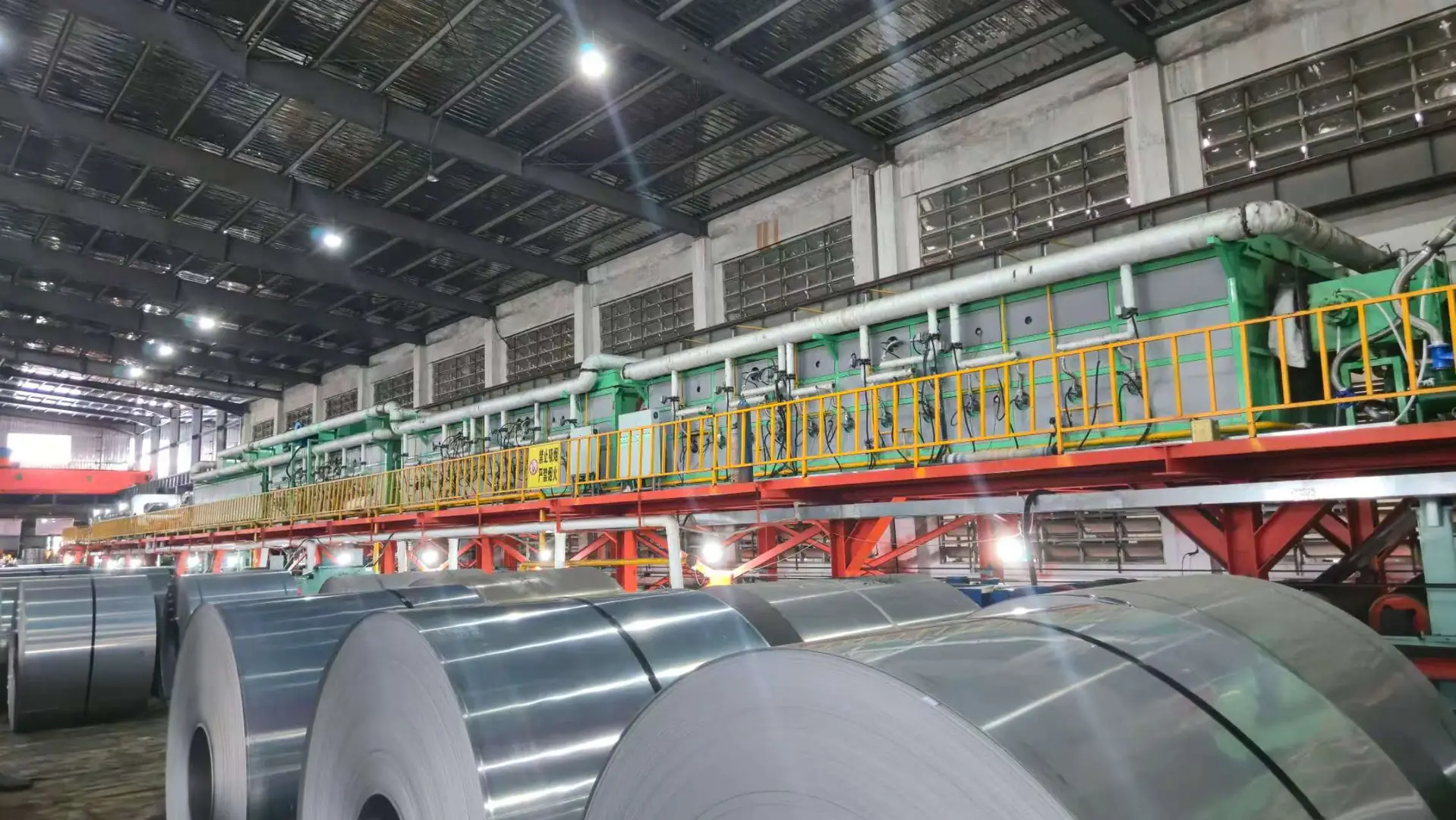
Struggling with inconsistent brightness on your stainless steel coils? This leads to rejected batches, wasted materials, and frustrated customers. But what if you could guarantee a perfect, bright finish every single time?
Achieving precise brightness in austenitic stainless steels requires a furnace with exceptionally stable temperature and atmosphere control. The key is maintaining a protective atmosphere with oxygen content below 10ppm and a uniform temperature held within a ±3℃ tolerance throughout the entire annealing cycle.

As a manufacturer, you know that the surface finish of your stainless steel is not just a cosmetic detail—it's a direct reflection of your quality and a key factor in your product's value. In my years of experience, I've seen how the smallest inconsistencies can lead to major commercial problems. So, let’s break down how you can move from inconsistent results to reliable, high-quality production.
What challenges arise in achieving precise brightness in the bright annealing process?
You struggle with oxidation and surface defects on your finished products. These issues cause costly rework, delay shipments, and can damage your reputation with clients. Understanding the core challenges is the first step to finally overcoming them.
The main challenges are preventing surface oxidation, ensuring uniform heat treatment across the entire steel strip, and managing temperature fluctuations. Inconsistent furnace atmosphere and temperature instability are the primary culprits, leading to dull spots, discoloration, and a non-uniform finish that fails quality control.

Let's dive deeper into these common problems. From my perspective, many manufacturers are fighting a battle with equipment that isn't up to the task. The issues are almost always rooted in two areas: atmosphere and temperature.
The Battle Against Oxidation
The "bright" in bright annealing comes from preventing oxidation. Austenitic stainless steels are rich in chromium, which gives them their corrosion resistance. However, at high annealing temperatures, this chromium is very eager to bond with any available oxygen. If your furnace atmosphere has an oxygen content even slightly above 10ppm, a microscopic layer of chromium oxide[^1] forms on the surface. This layer is what makes the steel look dull or discolored. The challenge is that many older or standard furnaces simply can't maintain such a pure atmosphere consistently, especially during 24/7 operation.
The Problem of Temperature Uniformity
The second major challenge is heat. The entire coil must be heated to a precise temperature and held there. If one part of the furnace is hotter or colder than another, you get uneven results. A cold spot means that section of the steel isn't properly annealed, affecting its mechanical properties and brightness. A hot spot can cause grain growth[^2], which also dulls the surface. Achieving a temperature tolerance as tight as ±3℃ across a large industrial furnace is a significant engineering challenge that standard equipment often fails to meet.
| Challenge Area | Common Problem | Ideal Condition (AKS Standard) |
|---|---|---|
| Atmosphere Control | Oxygen levels fluctuate >50ppm | Stable O2 levels <10ppm |
| Temperature Control | Fluctuations of ±10℃ or more | Stable temperature within ±3℃ |
| Operational Stability | Frequent stops for adjustment | >98% uptime for 24/7 operation |
What factors contribute to the brightness outcome in austenitic stainless steels?
You know something is causing inconsistent brightness, but you can't pinpoint the exact cause. This guesswork costs you time, energy, and money. So, let's look at the critical factors you can actually control to get predictable results.
The final brightness is determined by three main factors: the purity of the protective atmosphere (specifically, extremely low oxygen and dew point), the precision of the annealing temperature, and the effectiveness of the cooling rate. The initial surface condition of the steel also plays a role.

Getting a brilliant finish isn't magic; it's a science. When we design our furnaces at AKS, we focus on mastering these specific factors because we know they are what deliver results for our clients.
The Purity of the Atmosphere
This is the single most important factor. The protective atmosphere, typically a mix of hydrogen and nitrogen, must be pure enough to prevent any oxidation. This means keeping oxygen content below 10ppm and ensuring a low dew point to remove any water vapor, another source of oxygen. Our advanced furnace control systems continuously monitor and adjust the gas mixture to maintain this purity, creating a perfect shield for the steel surface.
The Precision of Temperature and Time
Temperature is not just about getting the steel hot; it's about getting it to the exact right temperature for the exact right amount of time. For austenitic steels, this temperature must be high enough to achieve the desired metallurgical properties but not so high that it causes surface degradation. A furnace that can hold the temperature steady within a ±3℃ window ensures that every meter of the coil receives the exact same treatment, leading to a perfectly uniform finish.
The Role of Cooling
How you cool the steel is just as important as how you heat it. The cooling must be rapid enough to lock in the bright finish but controlled enough to prevent thermal stress[^3] or distortion. Our precision cooling systems are designed to manage this process carefully, continuing to protect the steel with a pure atmosphere until it is cool enough that it will no longer oxidize when exposed to air.
How do temperature and atmosphere control impact the brightness of stainless steel?
You might see temperature and atmosphere as just numbers on a control panel. But in reality, these two parameters are the direct cause of your quality issues or your quality successes. Let me show you how they directly create—or destroy—brightness.
Precise temperature control prevents overheating, which can alter the steel's surface properties and increase its sensitivity to oxidation. Strict atmosphere control, keeping oxygen below 10ppm, creates a protective shield that stops oxidation from ever starting. Together, they ensure the steel's chromium remains unoxidized, preserving its natural metallic luster.

This is where engineering precision translates directly into business value. At AKS, we've focused our R&D on mastering this relationship because it's the key to achieving the >99% product qualification rates our clients demand.
The Temperature-Oxidation Relationship
Think of temperature as an accelerator. The higher the temperature, the faster chemical reactions happen. This includes the unwanted reaction between chromium and oxygen. Even with a decent atmosphere, if your temperature spikes just a little too high, you can trigger oxidation that dulls the surface. This is why holding the temperature within a tight ±3℃ window is not a luxury; it's a necessity. It provides a stable environment where the protective atmosphere can do its job effectively without having to fight against temperature-induced reactions.
The Atmosphere's Protective Shield
The protective atmosphere is your only defense against the outside air. Its job is to physically push out all the oxygen from the heating chamber. When we guarantee an atmosphere with less than 10ppm of oxygen, we are creating an environment so pure that oxidation simply cannot occur. Our advanced fuel/air ratio controls[^4] and sealed furnace designs are all engineered to achieve and maintain this level of purity 24/7. This is how we help our customers achieve monthly capacities of over 10,000 tons with virtually no defects from oxidation.
What solutions exist to enhance brightness in the annealing process?
Your current equipment isn't delivering the quality you need to compete. You're seeing too many defects and falling behind competitors who produce a better product. Modern furnace technology offers a direct solution to these problems.
The most effective solution is upgrading to a modern bright annealing furnace with advanced control systems. Look for features like real-time atmosphere monitoring, dual-layer heat recovery systems for stability, and precision fuel/air ratio controls. These technologies are designed specifically to maintain optimal annealing conditions.
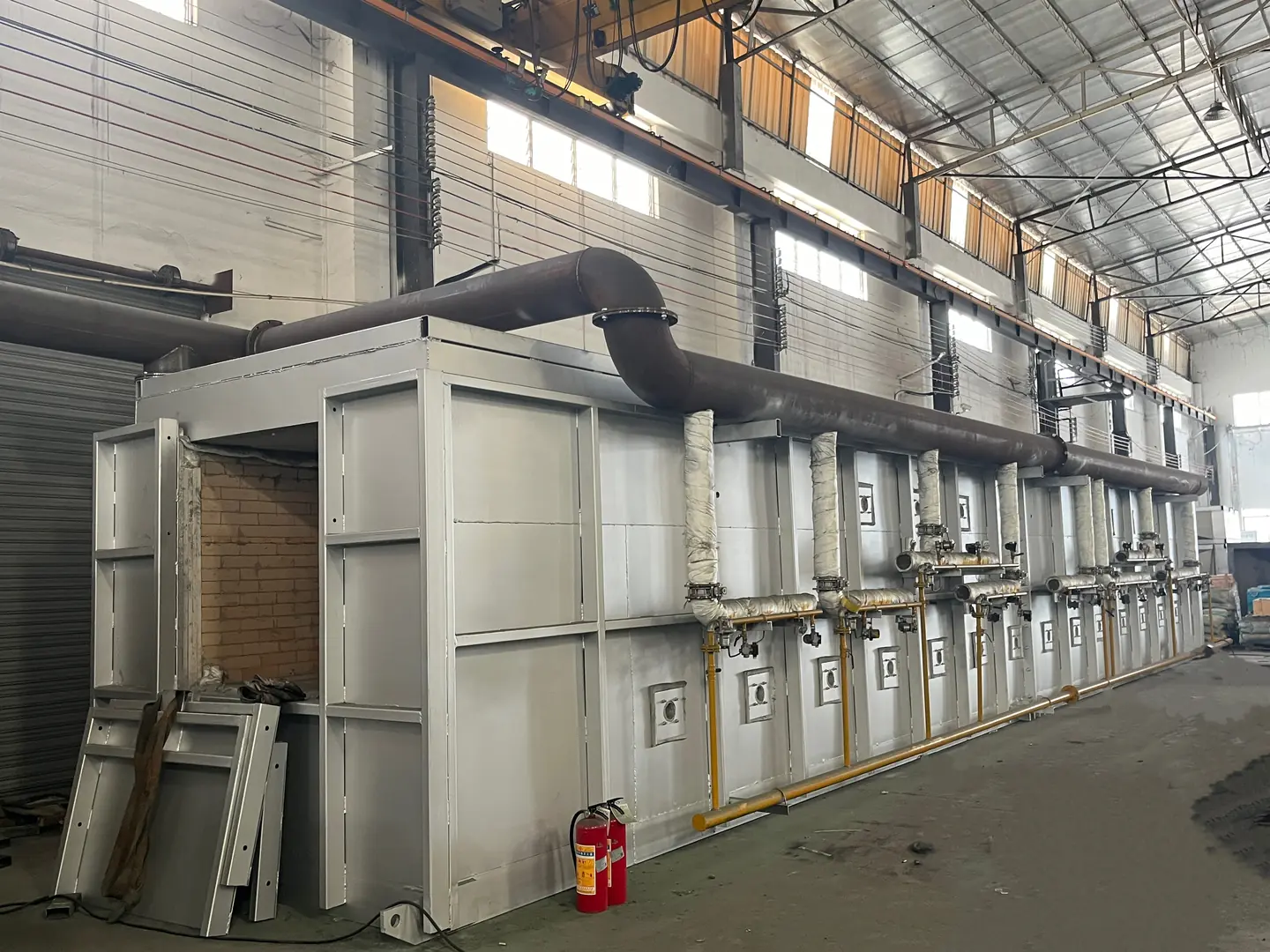
I believe that you shouldn't have to fight your equipment to get good results. The right technology should work for you, making high quality the standard, not the exception. That’s why we built our AKS furnaces with specific technical innovations to solve these exact problems.
Advanced Control and Automation
Modern furnaces are not just "hot boxes." They are sophisticated machines. Our furnaces use real-time sensors and data logging to continuously monitor the atmosphere and temperature. If the system detects a tiny deviation, it automatically adjusts to correct it before it becomes a problem. This level of automation removes human error and ensures every run is consistent.
Innovative Furnace Design
Better performance starts with better design. For example, our dual-layer heat recovery system not only makes the furnace 10-17% more energy-efficient, but it also creates a more stable internal temperature, which is critical for brightness. Our precision cooling system is another key innovation, ensuring the steel is cooled effectively while still under a protective atmosphere. These are not just features; they are engineered solutions to the core challenges of bright annealing.
| Feature | Standard Furnace | AKS Bright Annealing Furnace |
|---|---|---|
| Temperature Control | ±10℃ or more, unstable | ±3℃, highly stable |
| Atmosphere Control | O2 > 50ppm, inconsistent | O2 < 10ppm, consistent |
| Energy System | Standard burner, high consumption | Advanced fuel/air ratio, heat recovery |
| Data & Automation | Manual adjustments, limited data | Real-time monitoring, auto-adjustments |
What are the best practices for maintaining consistent brightness in production?
You achieve good results one day, but not the next. This inconsistency kills your production schedule, hurts your profitability, and makes it impossible to promise quality to your customers. Let's establish a routine for consistent success.
Best practices include calibrating sensors regularly, performing preventative maintenance on the furnace, and using real-time data to monitor performance. Establishing and strictly following a Standard Operating Procedure (SOP) for every production run ensures that all parameters are consistently managed.
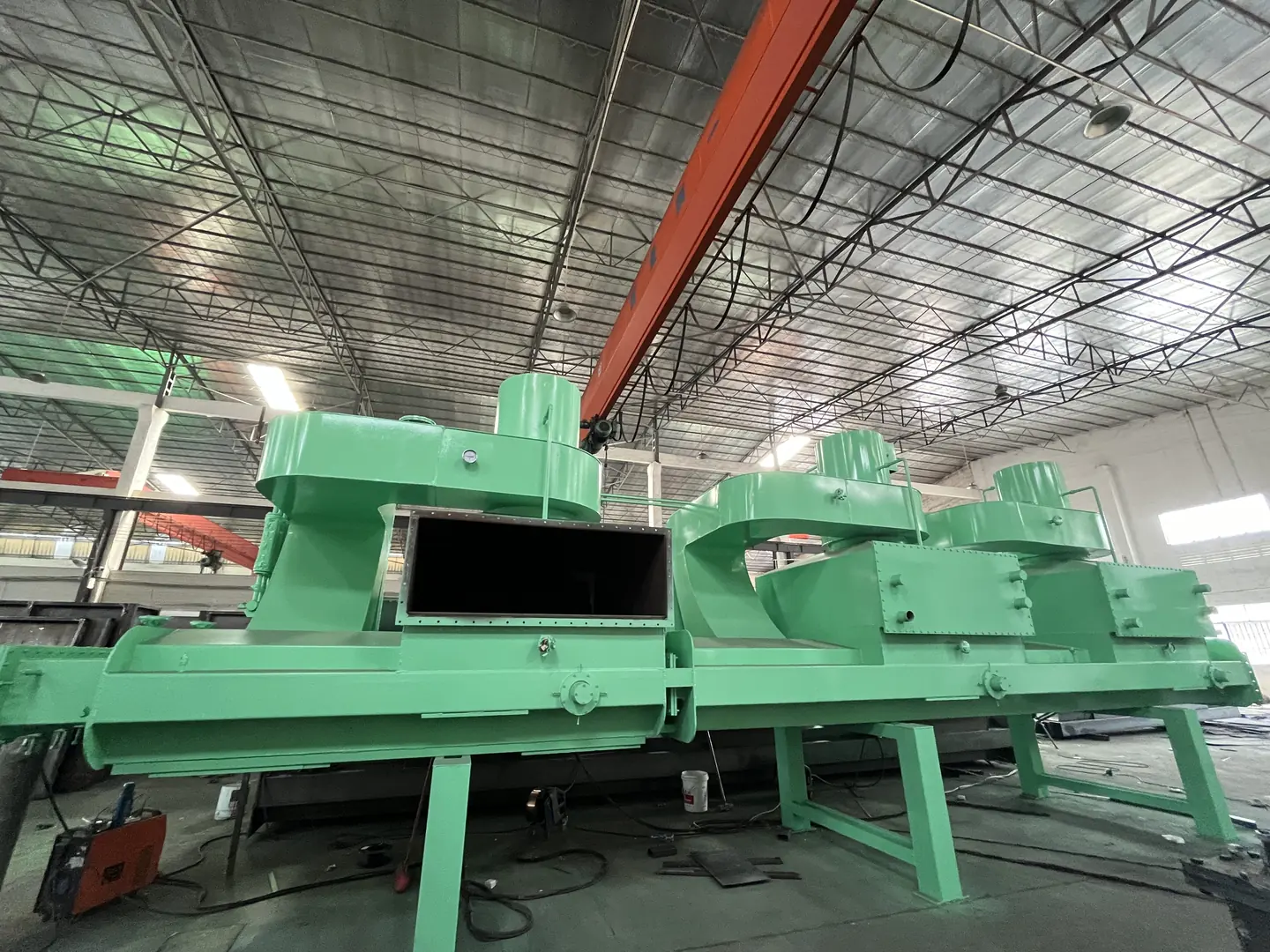
A great furnace is the foundation, but great processes are what guarantee success day in and day out. We design our equipment to make these best practices easy to follow.
The Power of Preventative Maintenance
A furnace is like any other critical piece of machinery: it needs to be maintained. Regular checks on seals, sensors, and gas lines prevent small issues from becoming major failures. We've designed our furnaces to make this easier, with maintenance intervals of 180 days or more. This means less downtime for maintenance and more time for production. I remember a client who was struggling with random defects. [Insert anecdote about a client's success in reducing defects]. By implementing a simple preventative maintenance schedule, they were able to achieve the >98% uptime and consistent quality they needed.
Data-Driven Operations
Your furnace generates a huge amount of valuable data. Use it! By tracking temperature curves, gas consumption, and atmosphere purity over time, your team can spot trends. You can see if a component is starting to perform poorly or if an operator has deviated from the SOP. This data-driven approach allows you to move from reactive problem-solving to proactive quality assurance. It’s a key part of maintaining stable, 24/7 operations and boosting your annual production by 10% or more.
Conclusion
Achieving a perfect bright finish isn't luck; it's engineering. By focusing on precise temperature and atmosphere control with modern furnace technology, you can eliminate defects, boost product quality to over 99% acceptance, and gain a significant competitive advantage in the demanding stainless steel market.

 English
  Русский