

Are you struggling with inconsistent surface finishes and high rejection rates in your annealing process? This constant battle against oxidation hurts your efficiency, profitability, and reputation.
Achieving a <10ppm oxygen purity standard is possible with a modern bright annealing furnace featuring precise atmosphere control. This technology uses automated gas management and real-time sensors to maintain a stable protective atmosphere, effectively preventing oxidation and ensuring a superior, bright finish on every product.

As a General Manager in this industry, I've seen firsthand how an unstable furnace atmosphere can undermine an entire production line. It's not just about a few rejected coils; it's about the compounding costs of rework, wasted energy, and missed deadlines. So, let's dive into how you can take control of your furnace atmosphere and turn it into a competitive advantage.
What challenges arise in controlling oxygen and nitrogen levels during bright annealing?
You think you're controlling the furnace atmosphere, but oxidation still appears on your finished products. These invisible leaks, gas impurities, and temperature swings are quietly costing you money every day.
The primary challenges in controlling atmosphere are maintaining furnace seal integrity, ensuring a pure gas supply, managing inconsistent gas flow, and preventing temperature fluctuations. Any one of these issues can introduce contaminants like oxygen, compromising the entire batch.
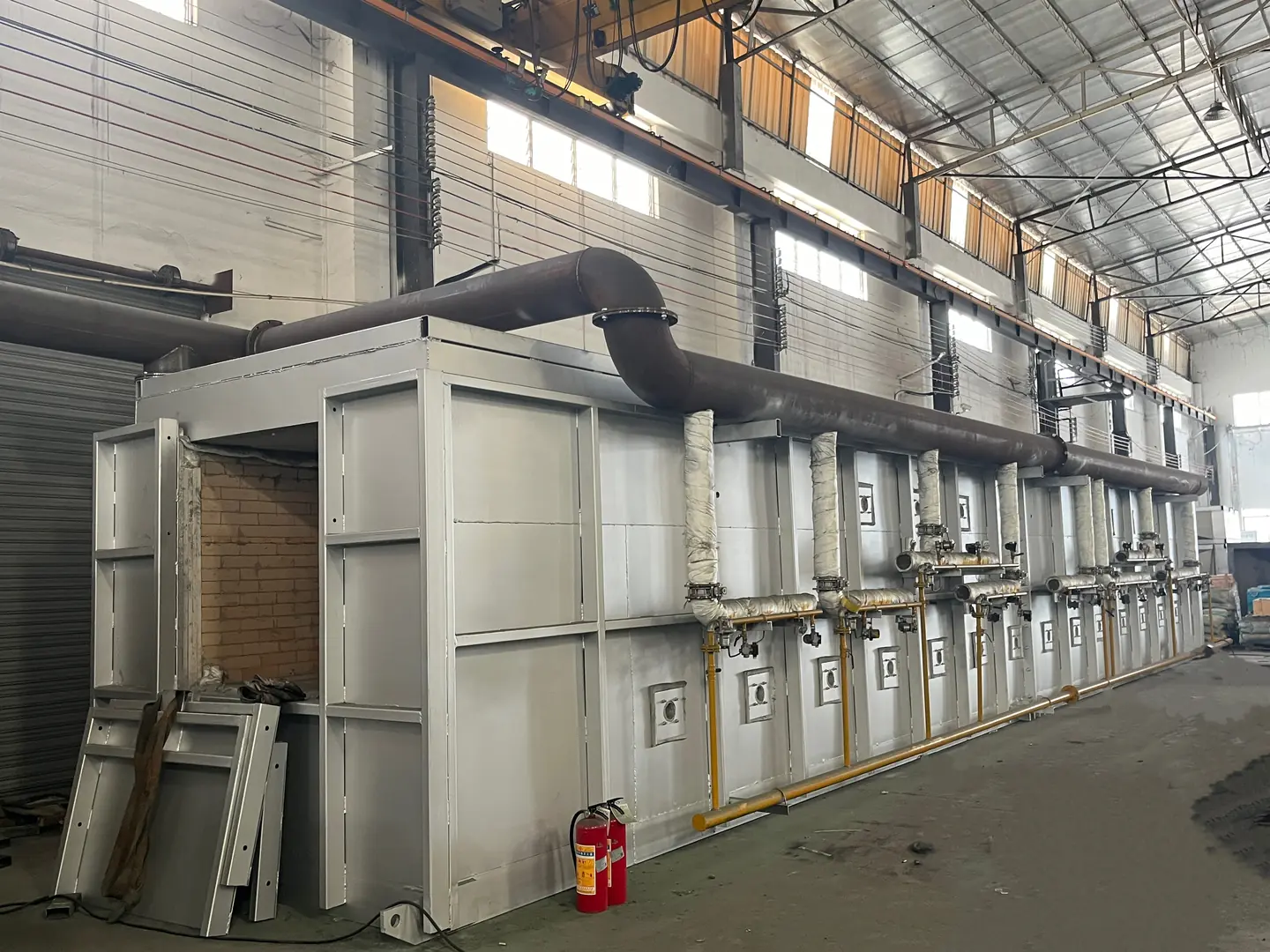
Let's dive deeper into these common but critical challenges. From my experience, production managers often focus on the most obvious things, like gas flow rates, but the real problems are often hidden.
Furnace Integrity
The furnace body itself is your first line of defense. Even a tiny leak in the seals, welds, or muffle can allow ambient air—and its 21% oxygen content—to seep into the protective atmosphere. These leaks are notoriously difficult to find and can worsen over time due to thermal expansion and contraction. At AKS, we design our furnaces for long-term industrial use, ensuring robust construction and seals that contribute to our machines achieving over 98% uptime and stable operation.
Gas Purity and Flow
Your protective gas is only as good as its source. Impurities in your nitrogen or hydrogen supply can introduce oxygen directly into the furnace. Furthermore, inconsistent flow rates or pressure can create pockets where the protective atmosphere is too thin, allowing residual oxygen to cause oxidation. We solve this with advanced automation that ensures precise, consistent management of nitrogen and hydrogen.
Temperature Control
Temperature has a direct impact on gas behavior. If your furnace has poor temperature uniformity[^1], it creates hot and cold spots. These fluctuations affect gas density and pressure, disrupting the stable, protective blanket your product needs. Precise temperature control is non-negotiable. Our furnaces maintain a temperature stability of ±3℃, which is essential for keeping the atmosphere consistent throughout the entire annealing cycle.
Why is achieving <10ppm purity standard crucial for bright annealing processes?
Is a "good enough" atmosphere control really sufficient for your business? Settling for less means accepting lower quality, more rework, and lost profits that go straight to your competitors.
A purity standard of <10ppm oxygen is crucial because it directly prevents surface oxidation on metals like stainless steel and copper. This ensures a mirror-bright finish, eliminates the need for messy acid pickling, and boosts the product qualification rate to over 99%.

As a business leader, I don't see <10ppm as a technical specification; I see it as a strategic asset. It's about moving from a reactive "fix-it" mentality to a proactive "get-it-right-the-first-time" operation. This shift has a massive impact on your bottom line.
Maximizing Product Value
A bright, clean, and defect-free surface is what your customers pay for. When you can consistently deliver this quality, you command better prices and build a stronger market reputation. Achieving a <10ppm oxygen level is the key to producing this premium product. It means you can guarantee a product qualification rate of over 99%. This eliminates the costs associated with scrap, rework, and, most importantly, unhappy customers. It transforms your production line into a reliable source of high-value output.
Enhancing Operational Efficiency
Beyond quality, atmosphere control is an efficiency driver. By eliminating oxidation, you also eliminate the need for secondary processes like chemical cleaning or acid pickling. This saves time, labor, and the cost of hazardous materials. Furthermore, the technology that enables this level of control—like our advanced fuel/air ratio systems and dual-layer heat recovery—is inherently more efficient. Our clients see tangible results: energy consumption drops by 20-40%, and annual output increases by 10% or more, simply by upgrading to a furnace that masters atmosphere control.
How do oxygen and nitrogen levels impact the quality of annealed products?
You see the discoloration and defects on your finished coils and sheets. You might blame the raw material, but the real culprit is often an invisible gas in your furnace.
Excess oxygen is the primary cause of oxidation, which creates a dull, discolored surface layer that fails quality inspections. High nitrogen levels can cause nitriding in certain alloys, leading to surface hardening and brittleness that compromise the material's mechanical properties.

Let's break down exactly what these contaminants do to your metal at high temperatures. It’s a chemical reaction you can’t see happening, but the results are painfully obvious.
The Effect of Oxygen: Oxidation
This is the most common enemy in bright annealing. When metals like stainless steel or copper are heated, they become highly reactive. If even a small amount of oxygen is present—well above the 10ppm threshold—it will bond with the elements on the metal's surface. For stainless steel, this means the chromium that gives it its corrosion resistance forms a dull, gray chromium oxide layer instead of remaining in the alloy. The result is a product that is not "bright" and fails to meet customer specifications. [Insert anecdote about a client's success in reducing defects] By using a furnace that maintains the oxygen level below 10ppm, we help clients completely eliminate this problem.
The Effect of Nitrogen: Nitriding and Brittleness
While nitrogen is the main component of the protective atmosphere, too much of it, or its reaction at the wrong temperature, can be a problem for certain steel grades. The nitrogen can be absorbed into the surface of the metal, forming hard, brittle compounds called nitrides. This process, known as nitriding, can alter the mechanical properties of the steel, making it less ductile and more prone to cracking during subsequent forming processes. Precise control over the hydrogen-to-nitrogen ratio and temperature profile is essential to prevent this.
What are the effective strategies for controlling oxygen and nitrogen levels in bright annealing?
You know you need better control, but you're not sure where to start. Relying on manual adjustments and guesswork is unreliable and leads to inconsistent, costly results.
Effective strategies include using a furnace with a robust, sealed muffle, implementing automated gas flow control with real-time oxygen sensors, and employing advanced heat recovery and cooling systems. These technologies work together to create and maintain a stable, high-purity atmosphere.
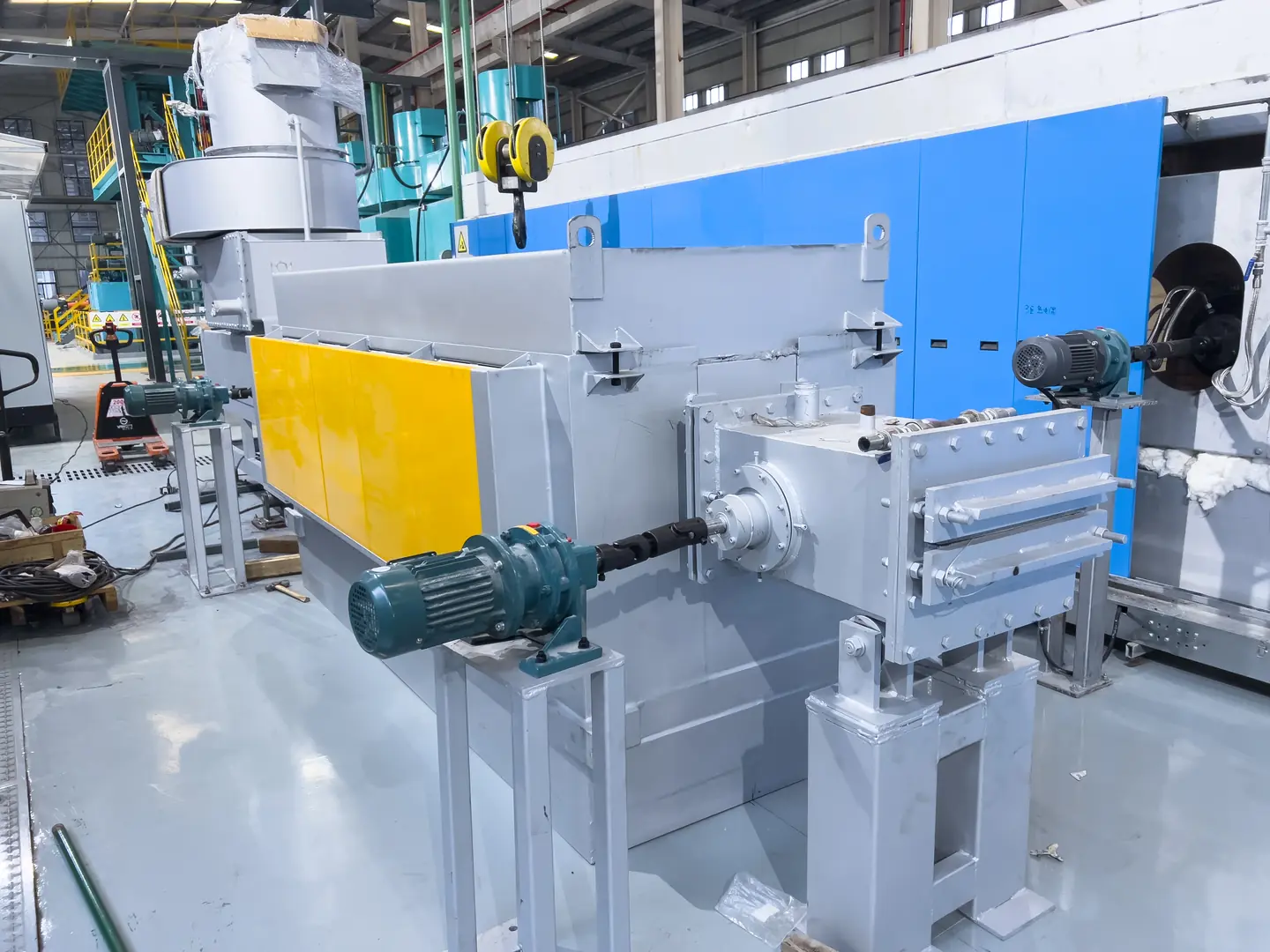
The solution isn't to work harder; it's to use smarter technology. Modern furnaces are not just boxes that get hot; they are finely tuned systems designed for one purpose: creating the perfect environment for your product. Here’s how we approach it.
Advanced Furnace Design
It all starts with the physical structure. A furnace must be built to be airtight. Our bright annealing furnaces feature a fully sealed muffle design, minimizing the risk of air infiltration. We also incorporate a dual-layer heat recovery system[^2]. This not only makes the furnace 10-17% more gas-efficient than competing models but also helps pre-heat the protective atmosphere, contributing to a more stable internal environment from the moment the gas enters the heating chamber.
Automated Atmosphere Management
You cannot manually control what you cannot measure. That's why automation is key. Our systems use precise sensors to continuously monitor the oxygen level inside the furnace, down to single-digit parts per million. This data is fed to an automated control system that adjusts the flow of nitrogen and hydrogen in real-time to maintain the atmosphere at the <10ppm setpoint. It also logs this data, providing a complete record for quality assurance.
| Feature | Standard Furnace | AKS Furnace |
|---|---|---|
| Sealing | Basic gaskets, prone to leaks | Fully welded, robust muffle |
| Gas Control | Manual flowmeters | Automated, sensor-driven |
| O2 Monitoring | Periodic, manual checks | Real-time, continuous (<10ppm) |
| Temp. Stability | ±10℃ or more | Stable within ±3℃ |
What are the best practices for maintaining purity standards in bright annealing?
You invested in a great furnace, but after a few months, the results are starting to slip. Without proper procedures, even the best equipment will underperform over time.
Best practices include a strict schedule for inspecting furnace seals and calibrating sensors, verifying the purity of your gas supply, and enforcing standard operating procedures (SOPs) for startup and shutdown. Proactive maintenance is key to long-term consistency.

Buying the right equipment is only half the battle. Creating a culture of precision and consistency is what guarantees success day after day. My team and I always emphasize that operational discipline is just as important as the technology itself.
Proactive Maintenance Schedule
Don't wait for a problem to appear. A proactive maintenance schedule is your best insurance policy against downtime and quality issues. This includes regular checks of all seals, gaskets, and connections. It also means calibrating your oxygen sensors according to the manufacturer's recommendations to ensure your readings are always accurate. We design our furnaces to make this easier, with maintenance intervals of 180 days or more, but the discipline must come from your team.
Standard Operating Procedures (SOPs)
Every operator should run the furnace the same way, every time. Develop clear, simple SOPs for critical phases like startup, shutdown, and coil changeovers. During startup, for example, the furnace must be properly purged with nitrogen to flush out all oxygen before the temperature begins to rise. Rushing this step is a common cause of failure. Consistent procedures eliminate human error and ensure the furnace operates within its designed parameters.
Continuous Monitoring
Use the data your furnace provides. Modern control systems, like the ones on our AKS furnaces, log all critical parameters—temperature, gas flow, and oxygen levels. Your production and quality teams should review this data regularly. It can help you spot trends or small deviations before they become major problems, allowing you to fine-tune your process for optimal performance and prove to your customers that their products were processed under ideal conditions.
Conclusion
Controlling oxygen and nitrogen to a <10ppm standard is not just a technical detail; it is a core business strategy. It directly leads to higher product quality, greater operational efficiency, and a stronger bottom line. The right furnace technology makes this goal achievable, turning your heat treatment process into a reliable competitive advantage.

 English
  Русский